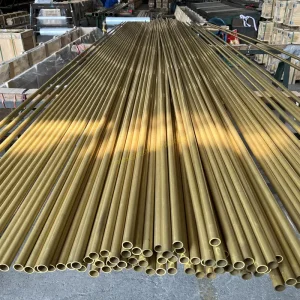
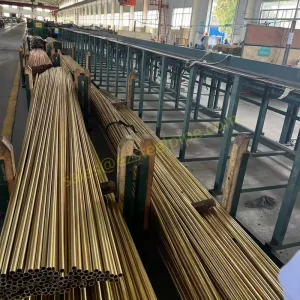
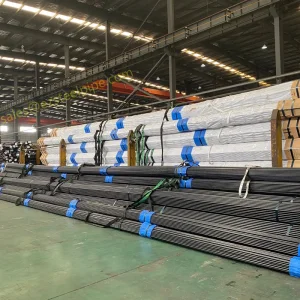
In the contemporary industrial era, ASTM SA 213 stands as a cornerstone specification for the global energy and petrochemical sectors. This standard covers seamless ferritic and austenitic alloy-steel boiler, superheater, and heat-exchanger tubes. As nations transition toward more efficient power generation and cleaner chemical processes, the demand for high-grade alloy tubes such as T11, T22, T91, and TP316 has reached unprecedented levels.
Globally, the ASTM SA 213 market is driven by the modernization of aging thermal power plants in Europe and North America, alongside the rapid expansion of nuclear and renewable energy infrastructure in Asia and the Middle East. These tubes are engineered to withstand extreme temperatures (up to 1200°F for certain grades) and corrosive environments, making them indispensable for supercritical and ultra-supercritical boiler systems.
As a Famous ASTM SA 213 Supplier, we recognize that the industrial status of these products is no longer just about "metal tubes"; it is about the safety, efficiency, and longevity of critical infrastructure. From the massive oil refineries in Saudi Arabia to the high-tech energy recovery systems in Germany, ASTM SA 213 tubes provide the structural integrity required to move high-pressure steam and volatile chemicals safely.
Our factory specializes in the dual-certification of materials that meet both ASTM and ASME standards. For high-temperature service, our ASTM SA 213 T91 tubes offer exceptional creep strength and oxidation resistance. These are often used in conjunction with high-pressure piping systems to ensure a seamless flow and thermal management.
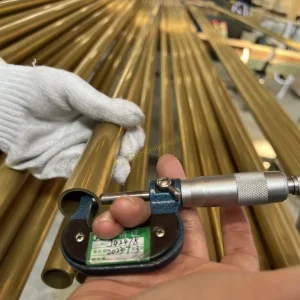
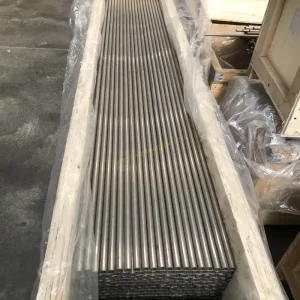
Procurement managers from around the world choose our products because we integrate the latest metallurgical advancements with cost-effective manufacturing processes. Whether you are looking for thin-wall heat exchanger tubes or heavy-wall superheater pipes, our facility in China provides the scale and precision needed for large-scale industrial projects.
View ASTM A335 Series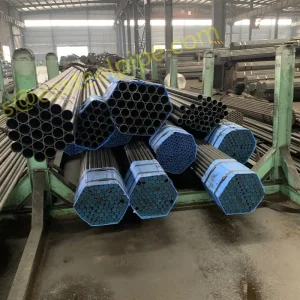
Years Industry Experience
Annual Tons Exported
Countries Served Globally
NDT Testing Compliance
The industry for ASTM SA 213 is undergoing a radical transformation. As "Industry 4.0" principles are applied to steel manufacturing, we are seeing a trend towards smarter, more traceable supply chains. Global enterprises are no longer satisfied with just a "mill test certificate." They require real-time data on heat treatment cycles, ultrasonic testing results, and grain size analysis.
Another significant trend is the increasing use of austenitic stainless steel grades (like TP304H, TP310S, and TP347H) within the SA 213 framework for hydrogen production and carbon capture facilities. These materials offer superior resistance to high-temperature corrosion and "hydrogen embrittlement," which are critical challenges in the "Green Energy" era. Our factory is at the forefront of this shift, investing in vacuum induction melting (VIM) and electro-slag remelting (ESR) technologies to produce ultra-pure alloys.
Furthermore, localized application scenarios are becoming more diverse. In the marine industry, SA 213 tubes are being utilized in heat recovery systems of LNG carriers. In the municipal sector, they are used in waste-to-energy plants where the combustion of diverse waste streams creates highly corrosive flue gases. Our ability as a China-based ASTM SA 213 Factory to customize alloy compositions and provide bespoke dimensions allows us to meet these niche requirements efficiently.
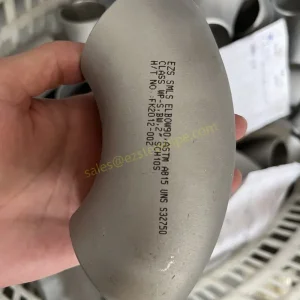
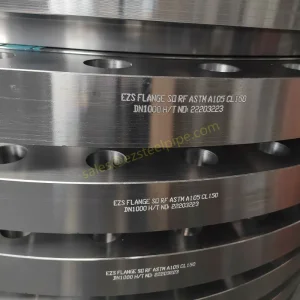
International procurement for piping systems is complex. Buyers are looking for suppliers who can provide a "one-stop-shop" experience—combining seamless tubes with matching fittings and flanges. This reduces logistical overhead and ensures material consistency across the entire pipeline. EZ Steel Industrial Co., Ltd addresses this by offering a comprehensive product portfolio that includes Butt-Welding Pipe Fittings and Carbon Alloy Steel Flanges.
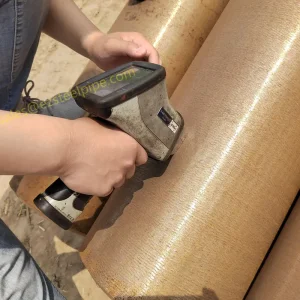
The core demand from global enterprises—whether they are EPC contractors in Dubai or maintenance firms in Texas—is reliability. A single failure in a boiler tube can lead to millions of dollars in downtime. This is why our quality control protocols include 12+ checkpoints, including Eddy Current testing, Hydrostatic testing, and 100% PMI (Positive Material Identification).
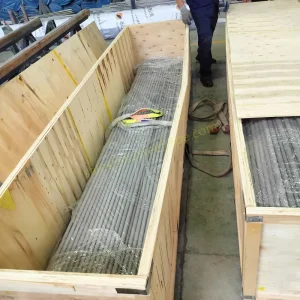
Choosing a Chinese factory like ours offers the dual advantage of high-capacity production and integrated supply chain logistics. With our proximity to major ports like Tianjin and Shanghai, we ensure that ASTM SA 213 products are delivered to project sites with minimal lead times, even for non-standard specifications.
Complementing our SA 213 range, we also produce ASTM A192 carbon steel boiler tubes for high-pressure service. These products are manufactured using a rigorous cold-drawing process that ensures precise dimensional tolerances and a smooth surface finish, which is essential for maximizing heat transfer efficiency in industrial boilers.
By leveraging our Yangzhou production base, we can scale production of these essential components to meet the rapid timelines of global infrastructure projects without compromising on the strict safety standards required for high-pressure operations.
Explore ASTM A192 TubesEZ Steel Industrial Co., Ltd is more than just a manufacturer; we are a technological hub for piping innovation, serving the world's most demanding industries.
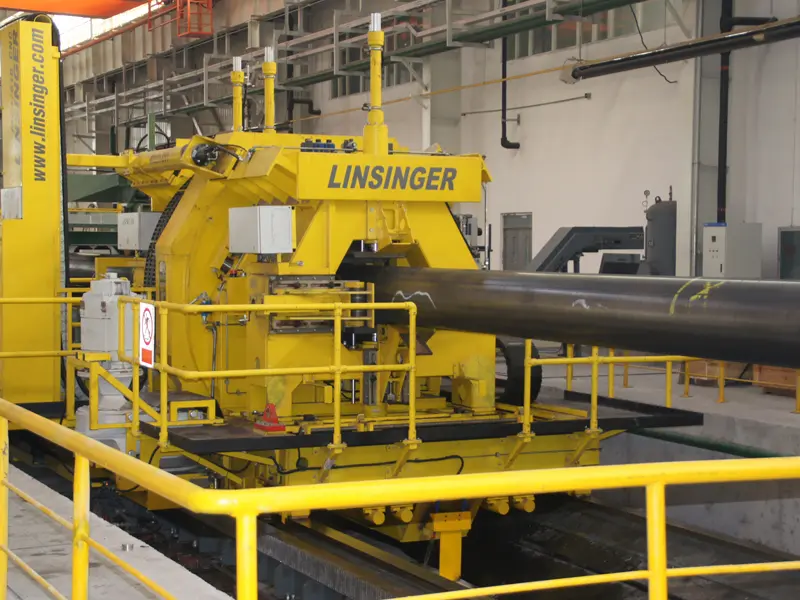
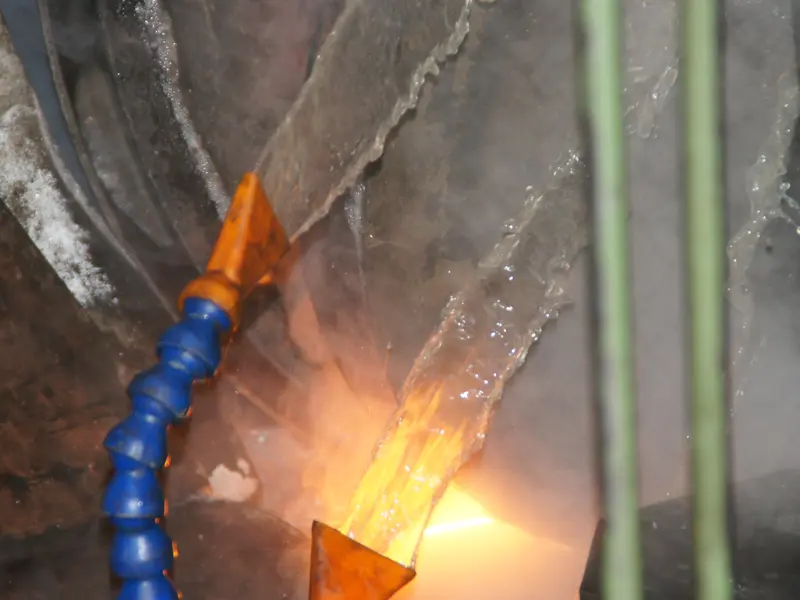
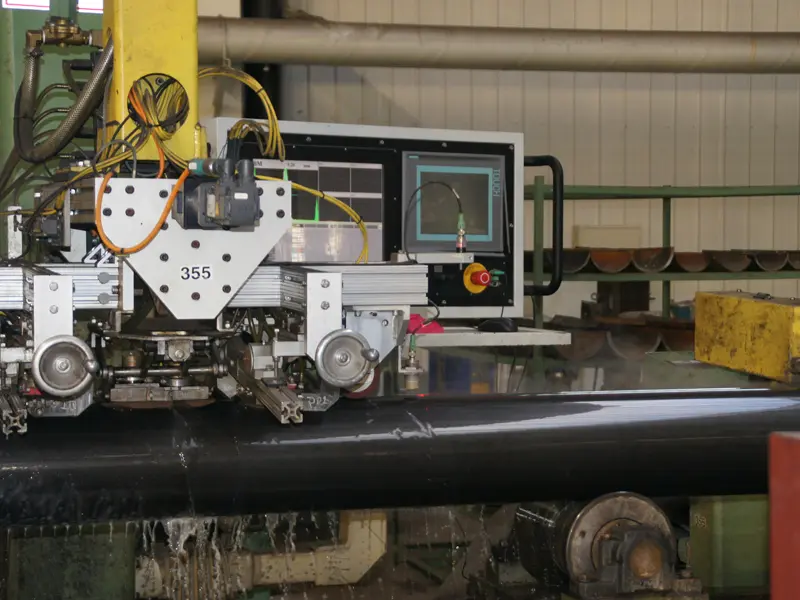
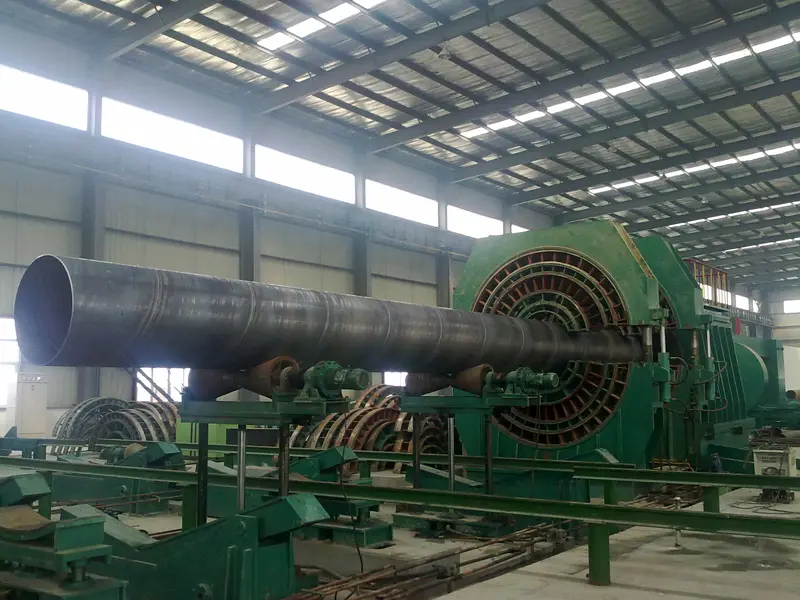
Committed to operational excellence, we maintain ISO 9001, API 5L/5CT, and PED certifications. From raw material sourcing to final delivery, every product undergoes 12+ quality checkpoints, guaranteeing compliance with international specifications.
ASTM SA 213 is not a monolithic standard; it encompasses a wide range of chemical compositions and mechanical properties. To help our global clients make informed decisions, we break down the most popular grades:
Grade T11 & T12: These are the workhorses of the thermal power industry. Containing Chromium and Molybdenum, they offer excellent heat resistance and are primarily used in superheaters where temperatures are moderate.
Grade T22: A higher chromium content provides better oxidation resistance. It is often the preferred choice for refineries and petrochemical plants dealing with high-temperature hydrogen service.
Grade T91: A high-alloy "9-Chrome" steel modified with Vanadium and Nitrogen. It offers superior creep-rupture strength, allowing for thinner tube walls in ultra-supercritical boilers, which significantly improves thermal efficiency.
TP304/304L: Standard stainless grades used for their general corrosion resistance in heat exchanger tubes and low-temperature boiler components.
TP316/316L: With added Molybdenum, these grades provide enhanced resistance to pitting and crevice corrosion, particularly in chloride-rich environments like coastal power plants.
TP347H: Stabilized with Niobium, this grade is specifically designed for high-temperature service where sensitization (carbide precipitation) must be avoided to prevent intergranular corrosion.
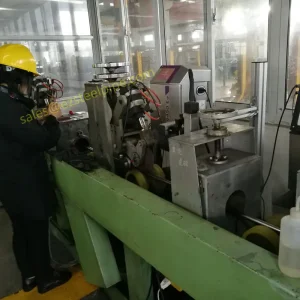
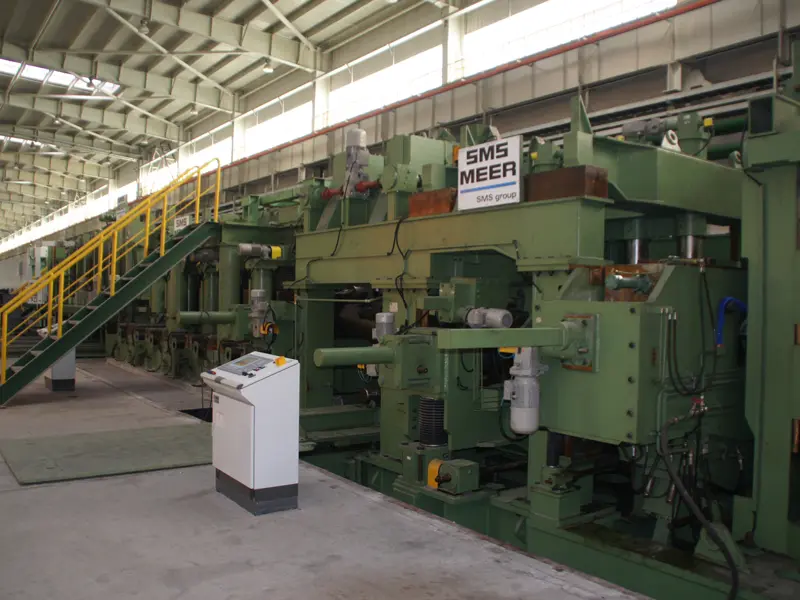
The global supply chain for high-performance steel is evolving. Chinese manufacturers have transitioned from "low-cost producers" to "high-tech leaders." Our factory exemplifies this shift. By integrating the entire production cycle—from the selection of premium steel billets to precision cold-drawing and automated heat treatment—we control every variable that affects the final quality of our ASTM SA 213 tubes.
Our advantages include:
 EZ STEEL