Home >
Industrial Valves >
Famous ASTM B167/B167M Standard Specification for Nickel-Chromium-Iron Alloys (UNS N06600, N06601, N06603, N06690, N06693, N06025, and N06045) Seamless Pipe and Tube Factory, Factories
1 / 5
Famous ASTM B167/B167M Standard Specification for Nickel-Chromium-Iron Alloys (UNS N06600, N06601, N06603, N06690, N06693, N06025, and N06045) Seamless Pipe and Tube Factory, Factories
Scope  This standard covers seamless pipe and tube made of nickel-chromium-iron alloys (e.g., UNS N06600, N06601, N06690) for high-temperature and corrosive service. It includes mechanical properties, dimensions, and testing requirements.
1. What is the difference between ASTM B167 and B167M?
ASTM B167 refers to the standard specification in inch-pound units, while B167M is the metric version of the same standard for Nickel-Chromium-Iron alloys.
2. Which is the most commonly used alloy in ASTM B167?
Alloy UNS N06600 is the most common, valued for its versatility in both high-temperature and highly corrosive environments.
3. Why is Alloy N06690 preferred for nuclear applications?
UNS N06690 is often used in nuclear energy due to its low carbon content and superior resistance to stress-corrosion cracking.
4. What mandatory tests are required for these seamless pipes?
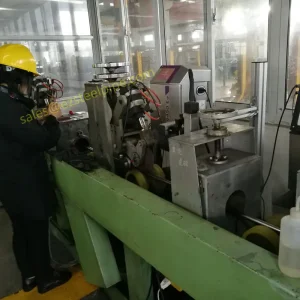
The standard requires chemical analysis, tensile testing, and either hydrostatic or nondestructive electrical testing (like eddy current) to ensure integrity.
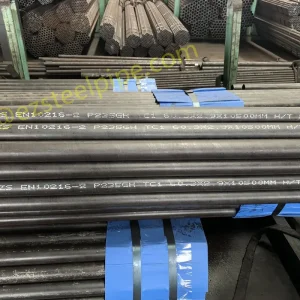
5. What information must be included on the pipe marking?
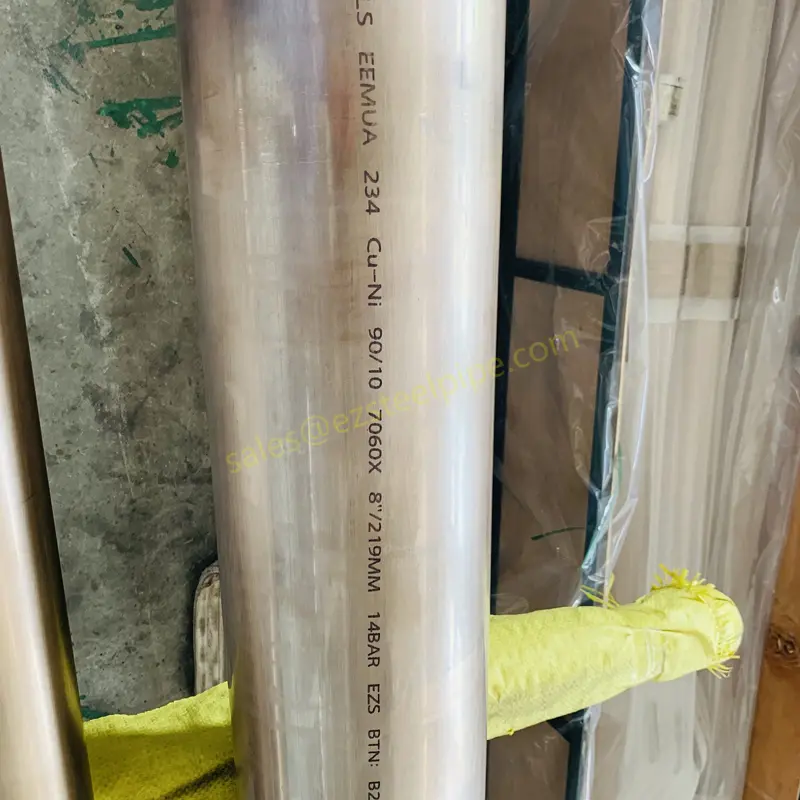
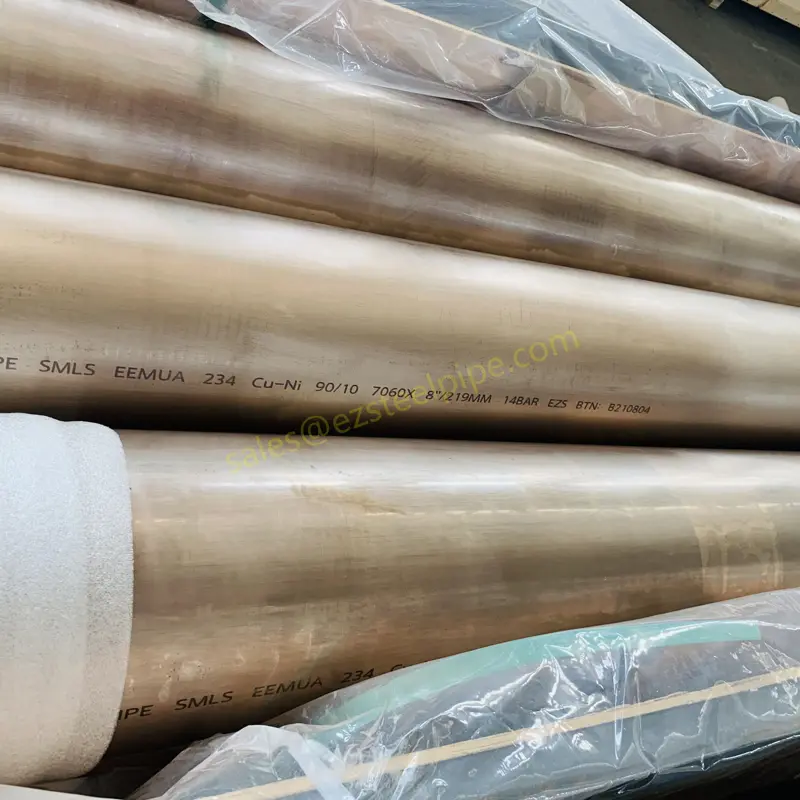
Each pipe must be marked with the ASTM standard designation, the alloy UNS number, the heat number, and the size.
6. Can these alloys withstand oxidation at high temperatures?
Yes, specifically alloys like N06601 and N06693 are engineered with enhanced oxidation resistance for service at elevated temperatures.
 EZ STEEL