Frequently Asked Questions (FAQ)
What information is required to place an order for GOST 8732 pipes?
When ordering, you must specify the pipe dimensions (diameter, wall thickness, length), steel grade, manufacturing accuracy, end conditions, and any additional testing requirements like hydrostatic or ultrasonic testing.
What are the common steel grades defined by GOST 380 and GOST 4543?
GOST 380 includes carbon steels like Ст3сп (general construction), while GOST 4543 covers alloy structural steels such as 20Х, 40Х, and 12Х1МФ, used for machinery and high-stress components.
What mandatory tests are performed on these steel pipes?
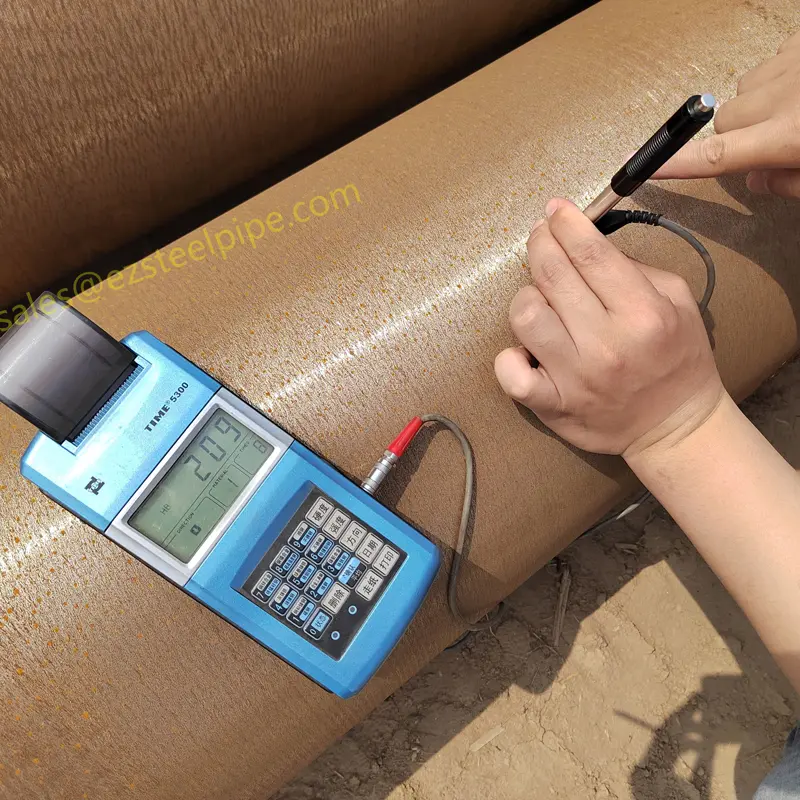
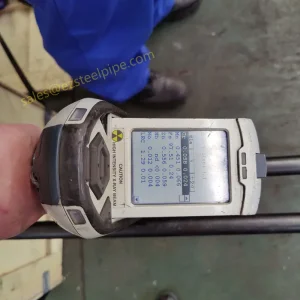
Mandatory tests include the hydrostatic pressure test, tensile test for mechanical properties, flattening test for ductility, and bend tests for pipes with a wall thickness of 10 mm or less.
What do the suffixes "сп", "пс", and "кп" mean in GOST 380?
These denote the deoxidation level: "сп" (calm/fully deoxidized) is best for welding, "пс" (semi-calm) is intermediate, and "кп" (boiling/rimmed) has higher oxygen content.
Are there specific tolerances for pipe dimensions?
Yes, outer diameters typically have a tolerance of ±1.0–1.5%, while wall thickness tolerances range from ±10–15% depending on the manufacturing precision specified.
How are the pipes protected for long-term storage?
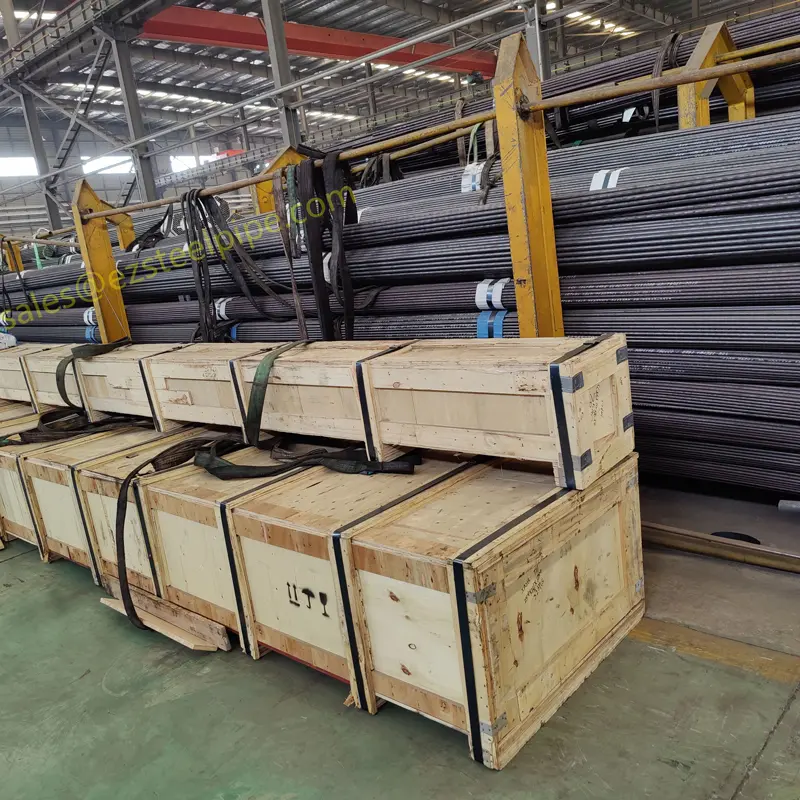
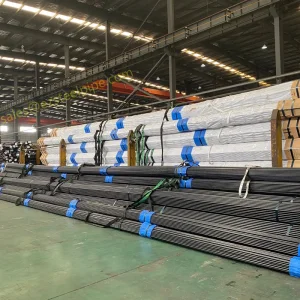
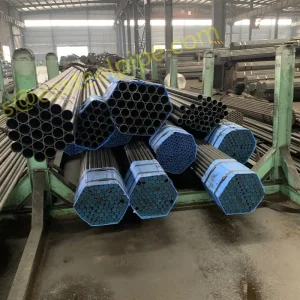
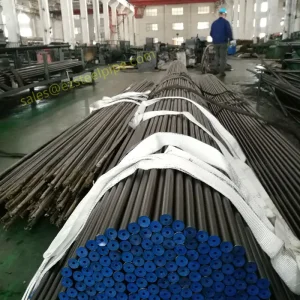
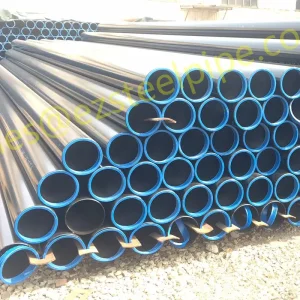
Pipes are usually bundled or crated to prevent physical damage and treated with anti-corrosion protection, such as oiling or specialized coatings, to ensure durability during storage.
 EZ STEEL