Home >
Industrial Valves >
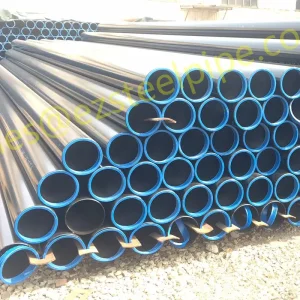
CE Certification API Specification 5L for Line Pipe Supplier, Factory
1 / 3
CE Certification API Specification 5L for Line Pipe Supplier, Factory
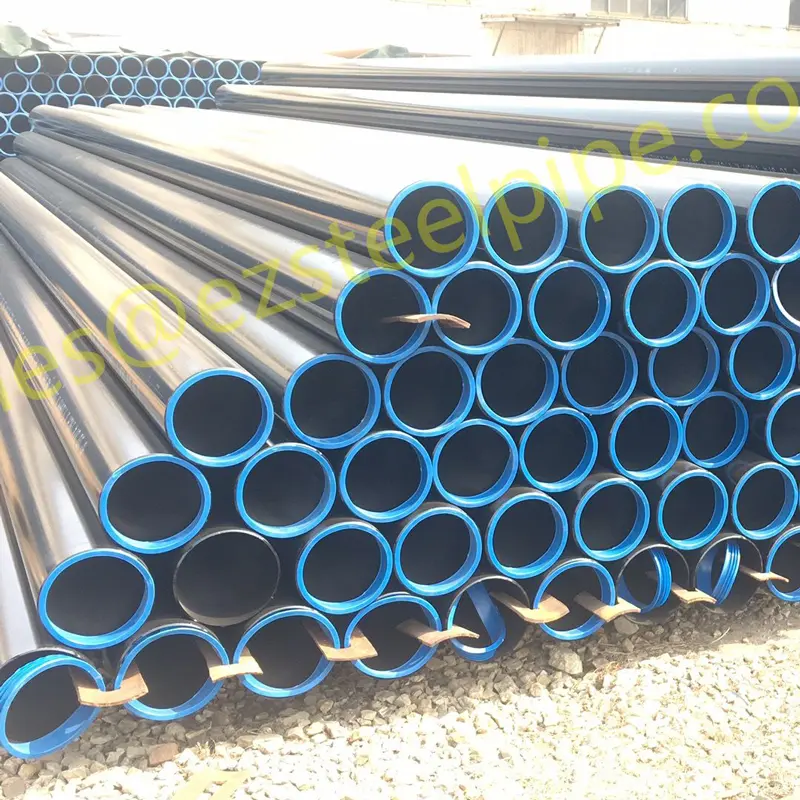
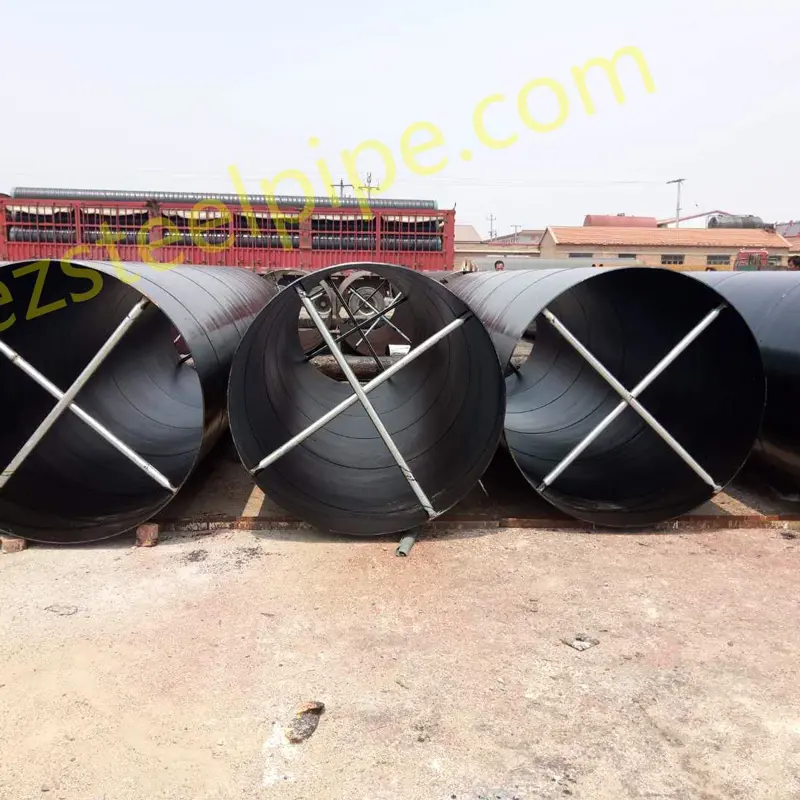
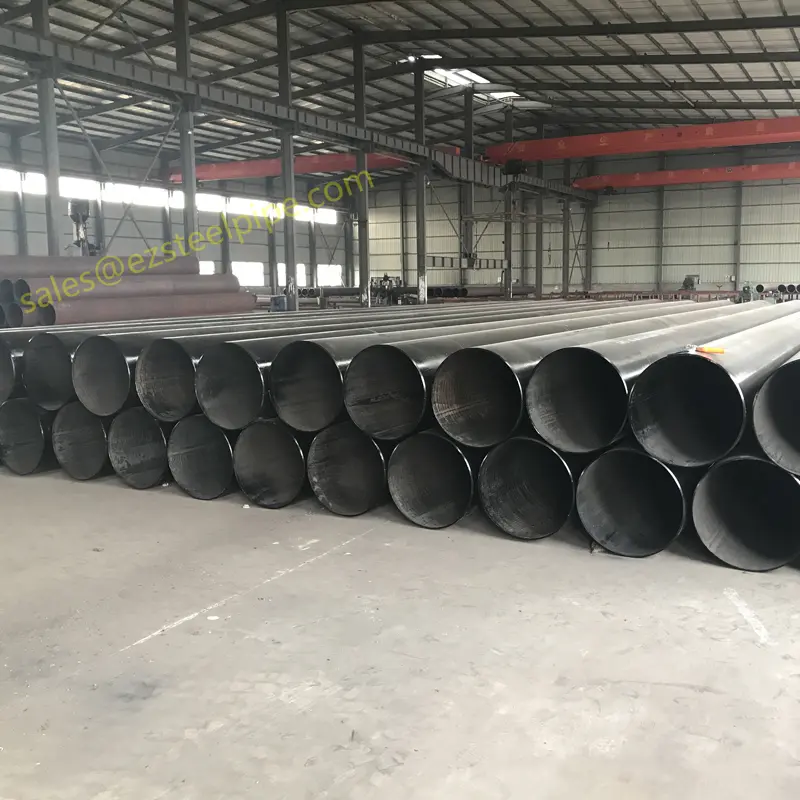
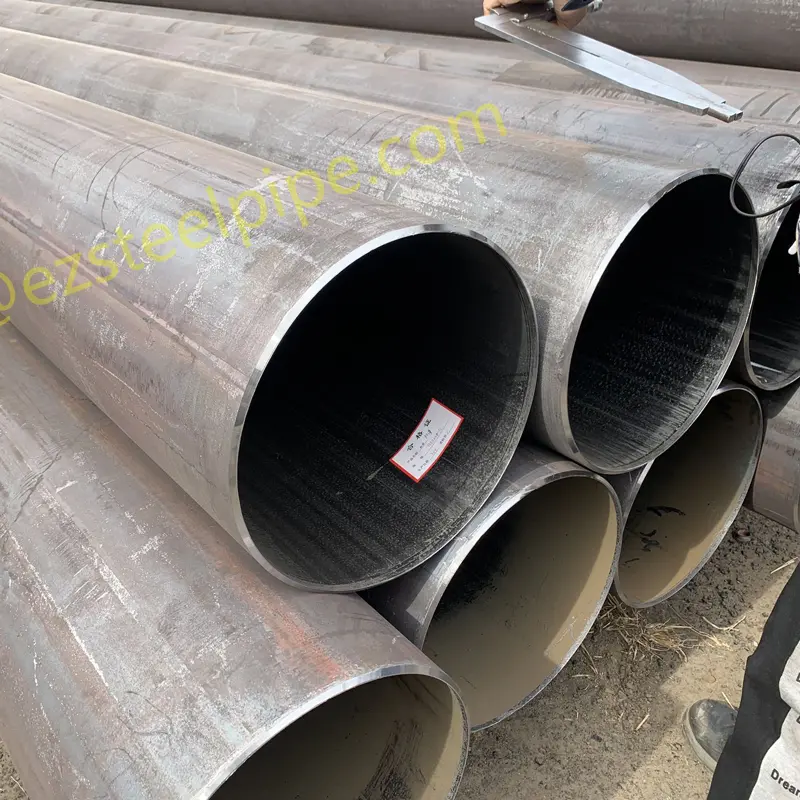
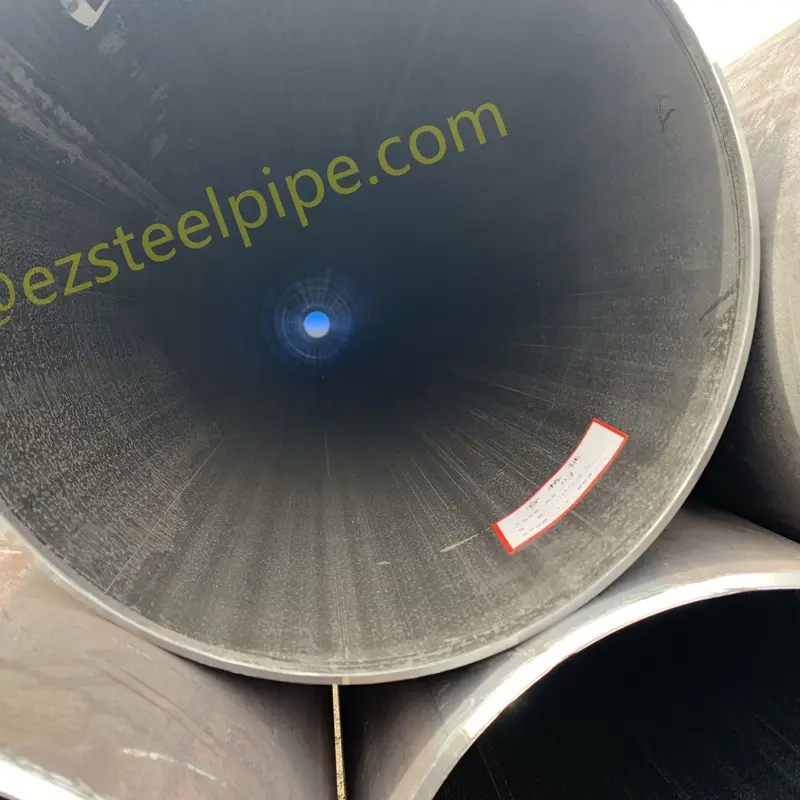
Scope  API 5L specifies requirements for the manufacture of seamless and welded steel line pipes used in pipeline transportation systems in the petroleum and natural gas industries. It covers PSL1 (Primary Requirement Level 1) and PSL2 (Enhanced Requirements) grades.
Here is a complete list of all steel grades specified in the API 5L 46th Edition (2024), categorized by PSL (Product Specification Level):
PSL1 (Standard Requirements) Grades
These grades have basic chemical and mechanical property requirements:
A25 (Minimum Yield Strength: 25 ksi / 172 MPa)
A (Minimum Yield Strength: 30 ksi / 207 MPa)
B (Minimum Yield Strength: 35 ksi / 241 MPa)
X42 (Minimum Yield Strength: 42 ksi / 290 MPa)
X46 (Minimum Yield Strength: 46 ksi / 317 MPa)
X52 (Minimum Yield Strength: 52 ksi / 359 MPa)
X56 (Minimum Yield Strength: 56 ksi / 386 MPa)
X60 (Minimum Yield Strength: 60 ksi / 414 MPa)
X65 (Minimum Yield Strength: 65 ksi / 448 MPa)
X70 (Minimum Yield Strength: 70 ksi / 483 MPa)
PSL2 (Enhanced Requirements) Grades
These grades have stricter controls on chemical composition, mechanical properties, and testing:
B (35 ksi / 241 MPa)
X42 (42 ksi / 290 MPa)
X46 (46 ksi / 317 MPa)
X52 (52 ksi / 359 MPa)
X56 (56 ksi / 386 MPa)
X60 (60 ksi / 414 MPa)
X65 (65 ksi / 448 MPa)
X70 (483 MPa)
X80 (80 ksi / 552 MPa)
Key Notes:
- A25 is only available in PSL1 (not in PSL2).
- X80 is only available in PSL2 (not in PSL1).
- Higher grades (X42–X80) are more common in high-pressure pipelines.
- PSL2 grades require Charpy impact testing, stricter chemical limits, and additional NDT.
Inspection & Testing Requirements
PSL1:
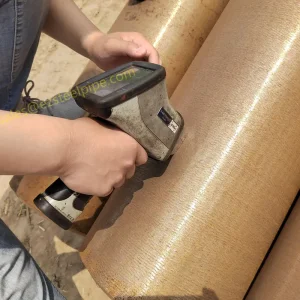
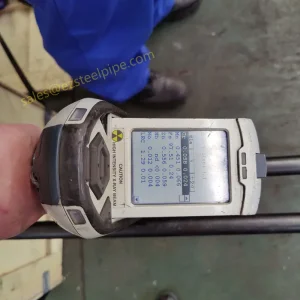
Chemical analysis (C, Mn, P, S, etc.).
Tensile and hardness tests.
Hydrostatic testing (mandatory for all pipes).
Non-destructive testing (NDT) for welded pipes.
PSL2 (Additional Requirements):
Enhanced chemical control (lower S/P limits).
Charpy V-notch impact testing (for toughness).
More stringent NDT (e.g., ultrasonic testing for seams).
Updated NDT standards for improved defect detection.
Clarified ordering requirements for sour service applications.
Conclusion
API 5L ensures pipeline integrity through strict material, manufacturing, and testing standards. Buyers must specify PSL, grade, testing, and end-use conditions clearly in orders.
For full details, refer to the API 5L 46th Edition (2024) official document.
Frequently Asked Questions
What is the difference between PSL1 and PSL2?
PSL1 is a standard quality level for line pipe, while PSL2 contains additional mandatory requirements such as Charpy impact testing, stricter chemical composition limits, and more stringent non-destructive testing.
Is A25 steel grade available in PSL2?
No, according to the API 5L 46th Edition, the A25 grade is only available under Product Specification Level 1 (PSL1).
What is mandatory for all API 5L pipes during inspection?
Hydrostatic testing is mandatory for all pipes regardless of the PSL level to ensure the integrity of the pipe under pressure.
Which steel grade is exclusive to PSL2?
X80 is a high-strength grade that is only available in PSL2. It is not specified for PSL1 requirements.
What information must be marked on the pipes?
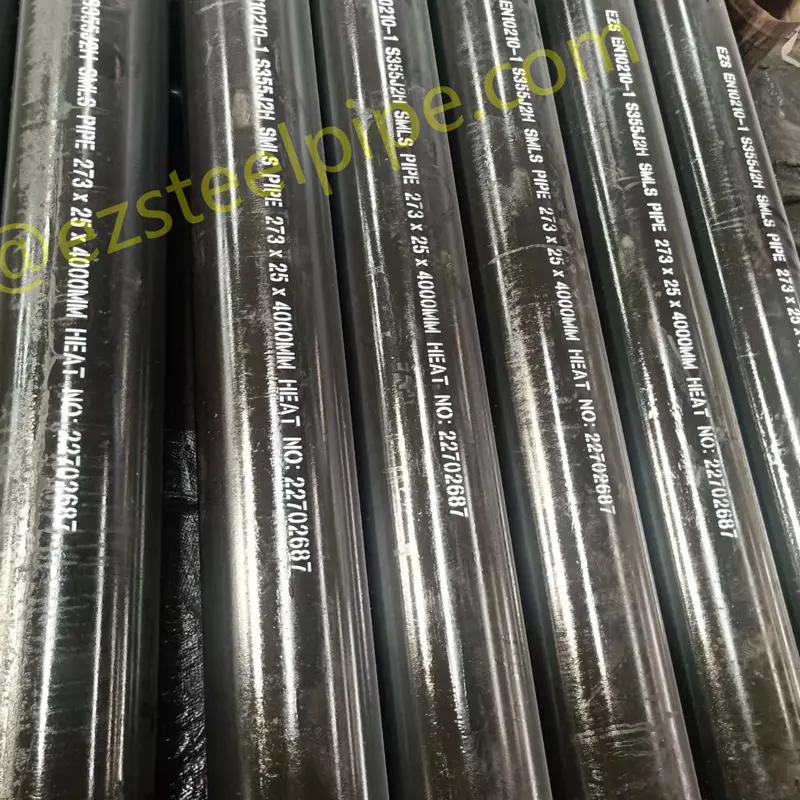
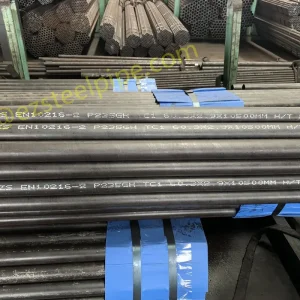
Pipes must be clearly marked with the API 5L standard, the steel grade, size, PSL level, heat number, and the manufacturer's identification.
What are sour service requirements?
Sour service compliance refers to NACE MR0175 standards, which ensure the pipe can withstand environments containing hydrogen sulfide (H2S) to prevent cracking.
 EZ STEEL