Home >
Industrial Valves >
OEM Standard Specification for Seamless Cold-Drawn Low-Carbon Steel Heat-Exchanger and Condenser Tubes Manufacturer, Supplier
1 / 1
OEM Standard Specification for Seamless Cold-Drawn Low-Carbon Steel Heat-Exchanger and Condenser Tubes Manufacturer, Supplier
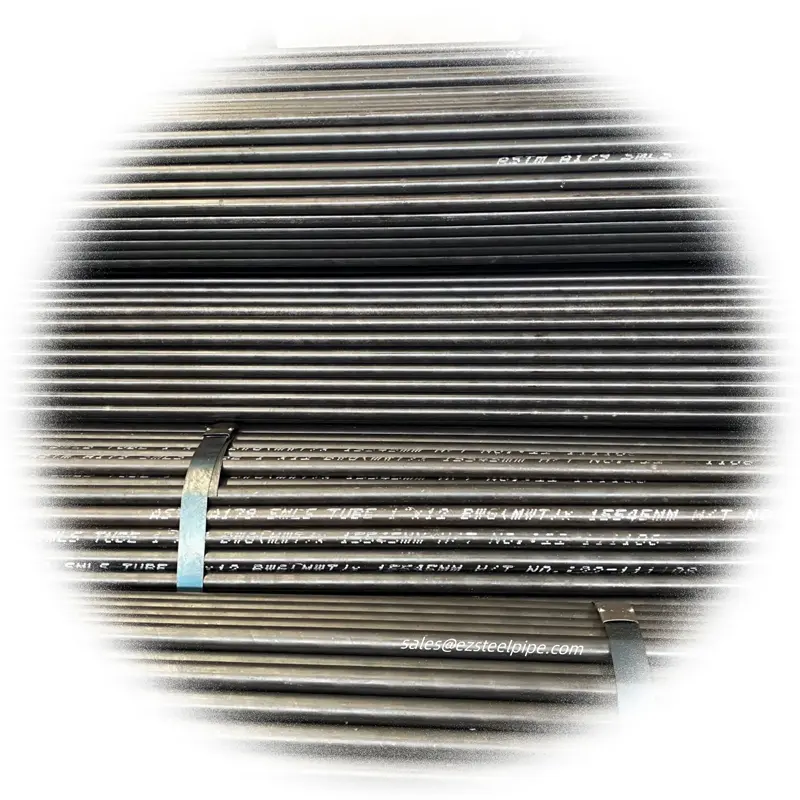
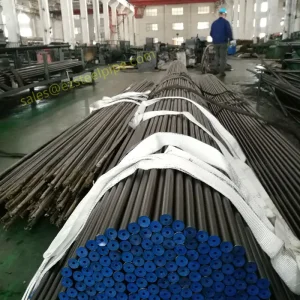
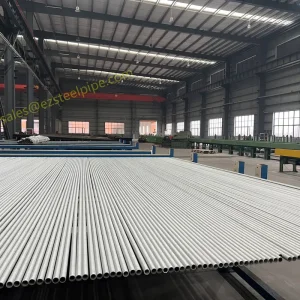
Scope This specification covers minimum-wall-thickness, seamless cold-drawn low-carbon steel tubes for tubular heat exchangers, condensers, and similar heat transfer apparatus. It covers tubes 1â„8 to 3 in. [3.2 to 76.2 mm], inclusive, in outside diameter.
Tubes shall be made by the seamless process and shall be cold drawn and heat treated after the final cold draw pass at a temperature of 1200°F [650°C] or higher.
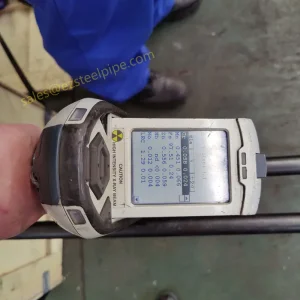
Chemical Composition
%
C
Mn
P
S
MIN
0.06
0.27
-
-
MAX
0.18
0.63
0.035
0.035
Mechanical Tests
1. Flattening Test—One flattening test shall be made on specimens from each of two tubes from each lot or fraction thereof.
2. Flaring Test—One flaring test shall be made on specimens from each of two tubes from each lot or fraction thereof.
3. Flange Test—When specified as a substitute for the flaring test, for tubes having a wall thickness (actual mean wall) less than 10 % of the outside diameter, one test shall be made on specimens from each of two tubes from each lot or fraction thereof.
4. Hardness Test—Rockwell hardness tests shall be made on specimens from two tubes from each lot. The term lot applies to all tubes, prior to cutting, of the same nominal diameter and wall thickness which are produced from the same heat of steel.
5. Hydrostatic Test—Each tube shall be subjected to the hydrostatic test, or, instead of this test, a nondestructive electric test may be used when specified by the purchaser.
Ordering Information
Orders for material under this specification should include the following, as required, to describe the desired material adequately:
● Quantity (feet, meters, or number of lengths)
● Name of material (seamless tubes)
● Manufacture (cold-drawn)
● Size (outside diameter and minimum wall thickness)
● Test report required (Certification Section of Specification A450/A450M)
● Specification number, and Special requirements.
ASTM A179 Tube Applications
ASTM A179 Tubes are widely used in various industries for industrial pipelines and mechanical structure parts:
● Pharmaceutical & Chemical Equipment
● Sea Water Equipment & Heat Exchangers
● Condensers & Power Generation
● Pulp, Paper, and Food & Beverage Production
● Petrochemicals & Gas Processing
● Off-Shore Oil Drilling & Specialty Chemicals
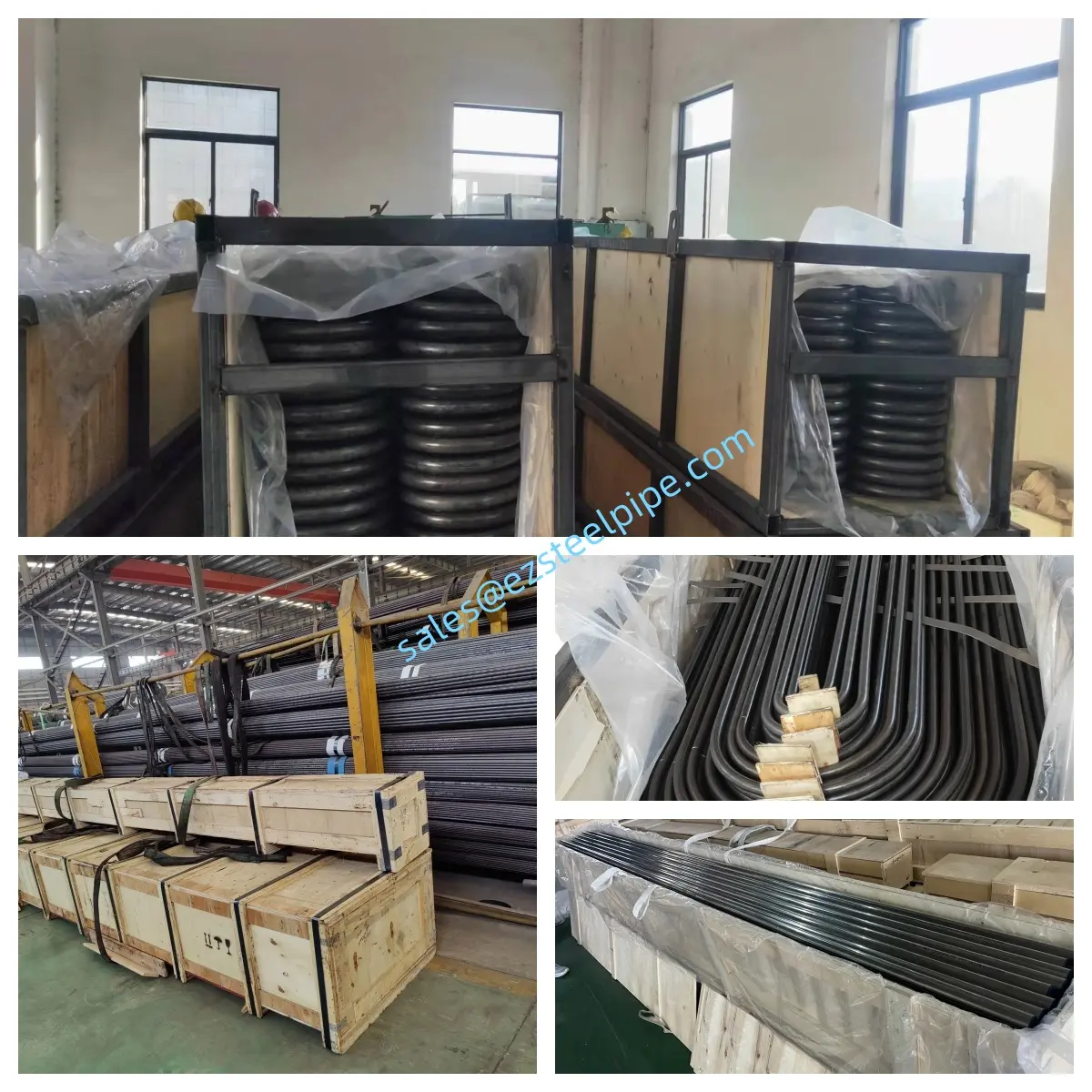
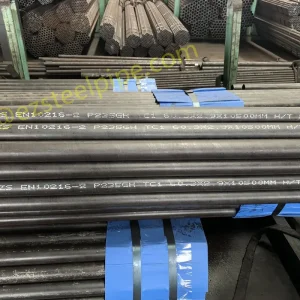
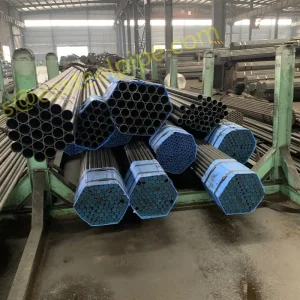
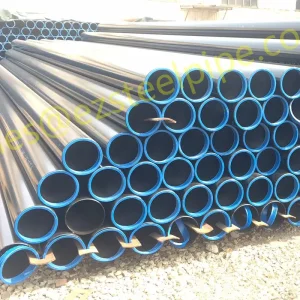
Package
Frequently Asked Questions
What is the manufacturing process for ASTM A179 tubes?
ASTM A179 tubes are manufactured through a seamless process, followed by cold drawing. They must undergo heat treatment after the final cold draw at 1200°F [650°C] or higher.
What are the main mechanical tests required for these tubes?
Standard mechanical tests include flattening tests, flaring tests, flange tests (when specified), Rockwell hardness tests, and hydrostatic or nondestructive electric tests.
In which industries are ASTM A179 tubes typically used?
They are commonly used in petroleum, chemical processing, power generation, heat exchangers, condensers, and the pharmaceutical industry due to their reliability in heat transfer equipment.
Can a nondestructive electric test replace the hydrostatic test?
Yes, according to the specification, a nondestructive electric test may be used instead of the hydrostatic test if specified by the purchaser.
What details are essential for ordering ASTM A179 tubes?
Necessary details include quantity, material name (seamless), size (OD and minimum wall thickness), length, specific test requirements, and the specification number.
What is the chemical composition requirement for Manganese (Mn)?
According to the standard, the Manganese (Mn) content must be between a minimum of 0.27% and a maximum of 0.63%.
 EZ STEEL