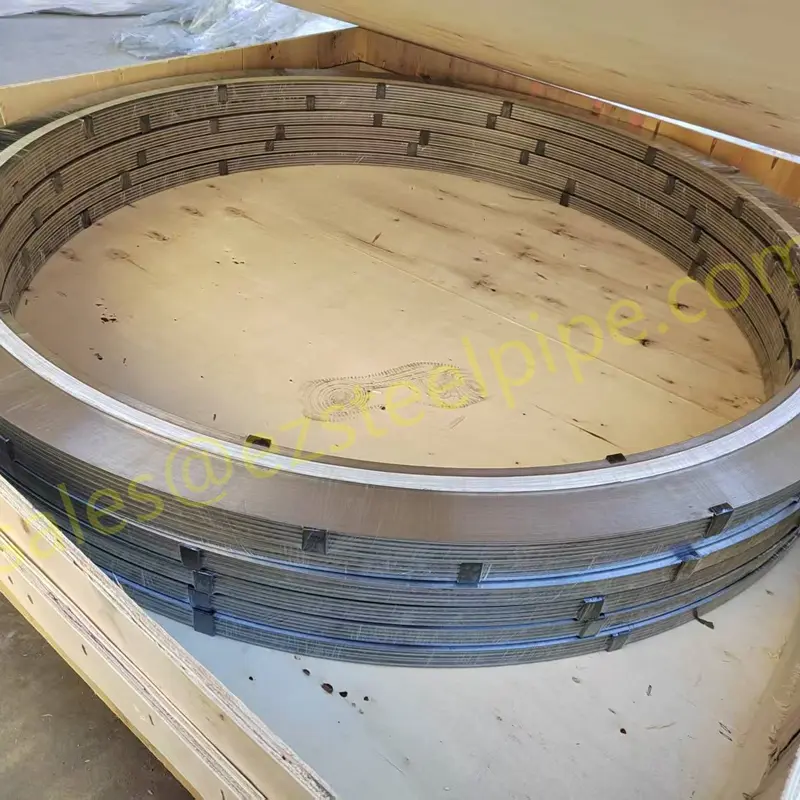
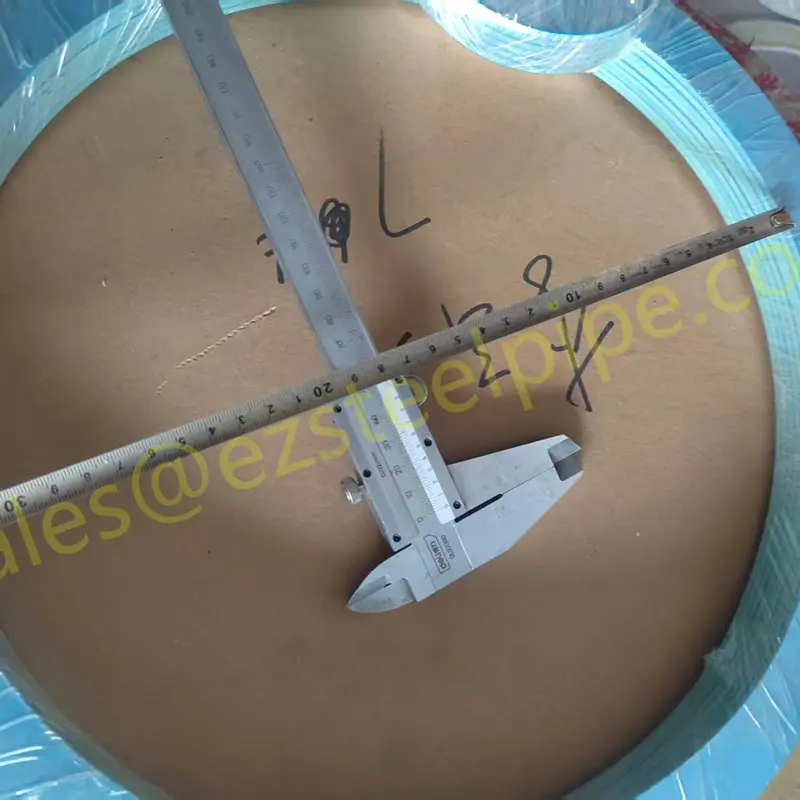
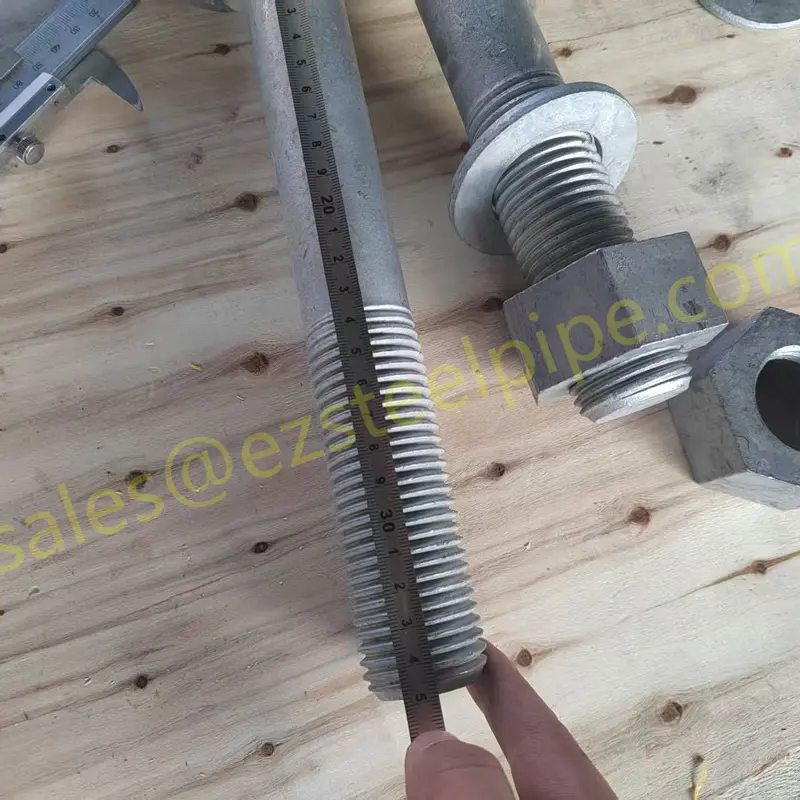
CE Certification Gaskets Manufacturer, Manufacturers

Gaskets are critical sealing components used to prevent leaks between two mating surfaces, such as flanges, under compression. They fill irregularities and create a tight seal, accommodating variations in surface finish, alignment, and pressure. Below is an overview of gasket types, manufacturing standards, and general applications.

Product Description

Types of Gaskets

Gaskets are classified based on material, construction, and application:

A. Non-Metallic Gaskets

  • Rubber Gaskets (EPDM, Nitrile, Neoprene, Silicone): Used in low-pressure, low-temperature applications (e.g., water, air, chemicals).
  • Cork Gaskets: Used in fuel systems and automotive applications for vibration damping.
  • PTFE (Teflon) Gaskets: Resistant to chemicals and high temperatures; common in chemical processing.
  • Compressed Fiber (Non-Asbestos) Gaskets: Made from aramid, cellulose, or glass fibers; used in pipelines, engines, and industrial flanges.

B. Semi-Metallic Gaskets

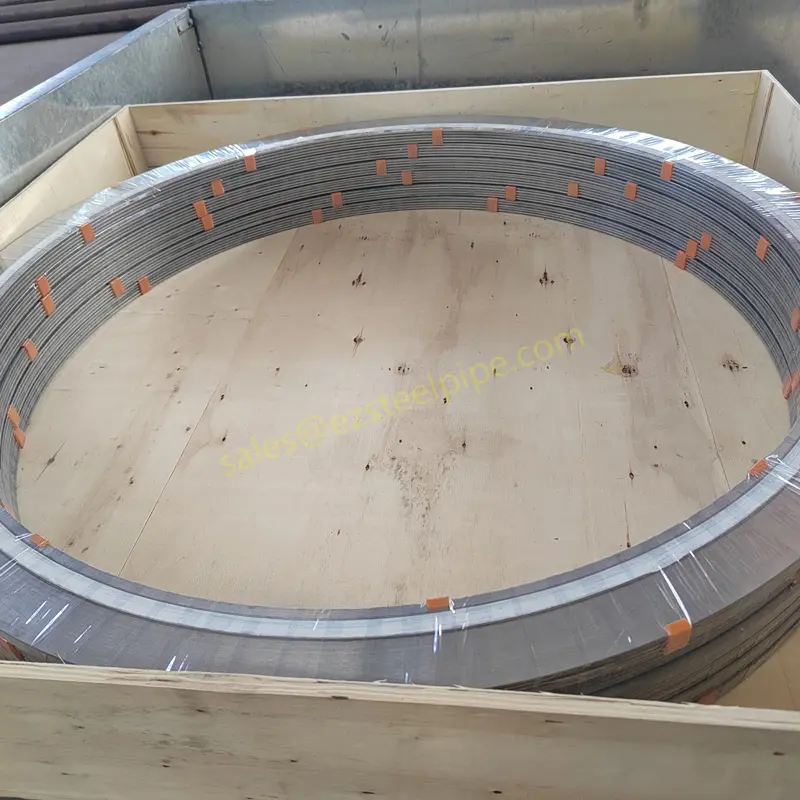
  • Spiral Wound Gaskets: Alternating layers of metal (stainless steel, carbon steel) and filler (PTFE, graphite). Used in high-pressure/temperature applications.
  • Camprofile Gaskets: Metal core with a serrated face and soft sealing layer. Ideal for uneven flange surfaces.
  • Metal Jacketed Gaskets: Soft filler enclosed in a metal jacket. Used in heat exchangers and high-pressure steam systems.

C. Metallic Gaskets

  • Ring-Type Joint (RTJ) Gaskets: Made of soft iron, stainless steel; used in high-pressure oil/gas pipelines.
  • Flat Metal Gaskets: Simple designs for high-temperature applications.
  • Corrugated Metal Gaskets: Used in heat exchangers and exhaust systems.

Manufacturing Standards

Gaskets are produced according to international standards to ensure compatibility and performance:

  • ASME (American Society of Mechanical Engineers): B16.20 (Spiral wound/Ring-joint); B16.21 (Non-metallic flat).
  • ASTM (American Society for Testing and Materials): ASTM F104 (Materials); ASTM F37 (Testing).
  • EN (European Norms): EN 1514 (Dimensions); EN 12560 (Flange gaskets).
  • API (American Petroleum Institute): API 6A (Wellhead equipment).
  • DIN (Deutsches Institut für Normung): DIN 2690 (Flange gaskets).

General Applications

  • Oil & Gas: Pipeline flanges, valves, pumps (RTJ, spiral wound).
  • Chemical Processing: PTFE gaskets for corrosive fluids.
  • Power Plants: High-temperature graphite gaskets for steam systems.
  • Automotive: Cork/rubber gaskets for engines and fuel systems.
  • Pharmaceutical/Food: FDA-approved silicone/PTFE gaskets.
  • HVAC: Rubber/fiber gaskets for air/water sealing.

Gasket selection depends on factors like temperature, pressure, fluid compatibility, and flange type. Standards ensure reliability, while material choice determines performance in specific environments.

Stud Bolts & Nuts

Stud bolts and nuts are essential fasteners used to assemble flanged joints, pressure vessels, and piping systems, providing strong clamping force for leak-proof connections.

1. Types of Stud Bolts

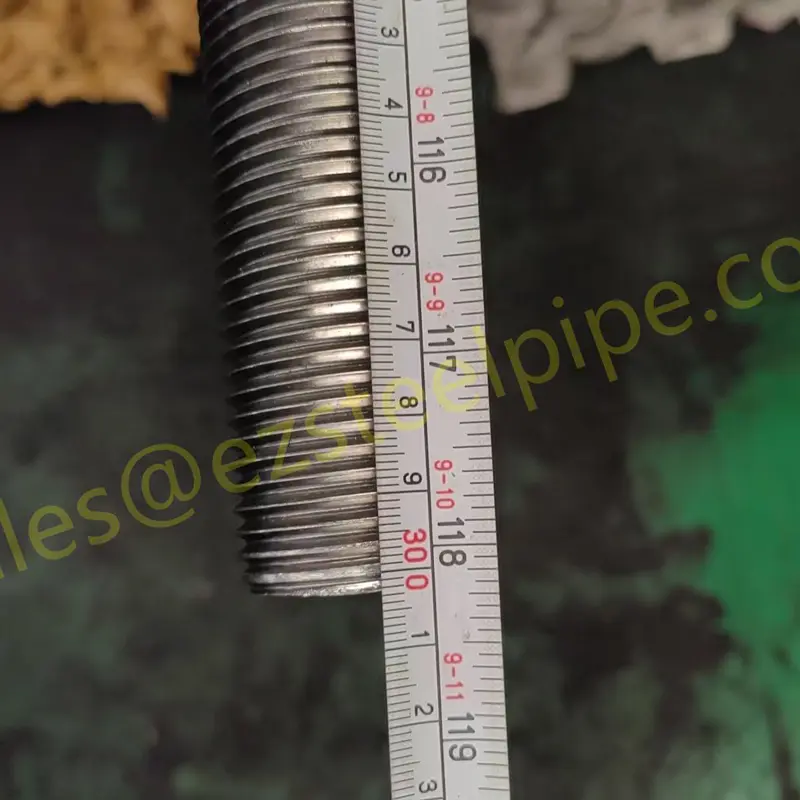
  • Fully Threaded Stud Bolts: Threads run entire length; common in general flange connections.
  • Double-End Stud Bolts: Threads on both ends with a shank; used in high-vibration applications.
  • Continuous Threaded Stud Bolts: Uniform diameter; used in structural applications.

2. Types of Nuts

  • Hex Nuts (Heavy Hex): Most common, used in high-pressure applications.
  • Flange Nuts: Built-in washer to distribute load.
  • Lock Nuts: Prevent loosening due to vibration.
  • Castle Nuts: Used with cotter pins for secure fastening.

3. Material Selection

Material Properties Common Grades
Carbon Steel General-purpose, cost-effective ASTM A307, Grade 4.6/8.8
Alloy Steel High strength, heat resistance ASTM A193 B7, B16
Stainless Steel Corrosion resistance AISI 304, 316, ASTM A320 L7
Titanium Lightweight, high corrosion resistance Grade 2, Grade 5
Gaskets Display 1
Gaskets Display 2
Gaskets Display 3
Product Description Detail
Frequently Asked Questions
Q1: How do I choose between a metallic and a non-metallic gasket? Selection depends on the operating temperature and pressure. Non-metallic gaskets like rubber or PTFE are ideal for low-pressure/temperature and chemical resistance, while metallic gaskets (RTJ) are used for high-pressure industrial environments.
Q2: What is the standard for spiral wound gaskets? Spiral wound gaskets for pipe flanges are primarily covered under the ASME B16.20 standard, which ensures their dimensions and performance in high-pressure applications.
Q3: Why are stud bolts preferred over standard hex bolts in flanges? Stud bolts provide more uniform tension and are easier to remove during maintenance if threads are damaged on one end. They are commonly used in high-pressure piping systems.
Q4: What is the benefit of using ASTM A193 B7 stud bolts? ASTM A193 B7 is an alloy steel designed for high-temperature and high-pressure service, making it the industry standard for oil and gas refinery flange connections.
Q5: When should I use PTFE gaskets? PTFE (Teflon) gaskets should be used when extreme chemical resistance is required or in applications involving corrosive fluids and high temperatures in chemical processing.
Q6: Are your gaskets compliant with international standards? Yes, industrial gaskets and fasteners are manufactured following international standards such as ASME, ASTM, DIN, and API to ensure global compatibility and safety.

Related Products