China En10296-2 Welded Circular Steel Tubes For Mechanical And General Engineering Purposes - Technical Delivery Conditions Manufacturer, Suppliers

Scope  
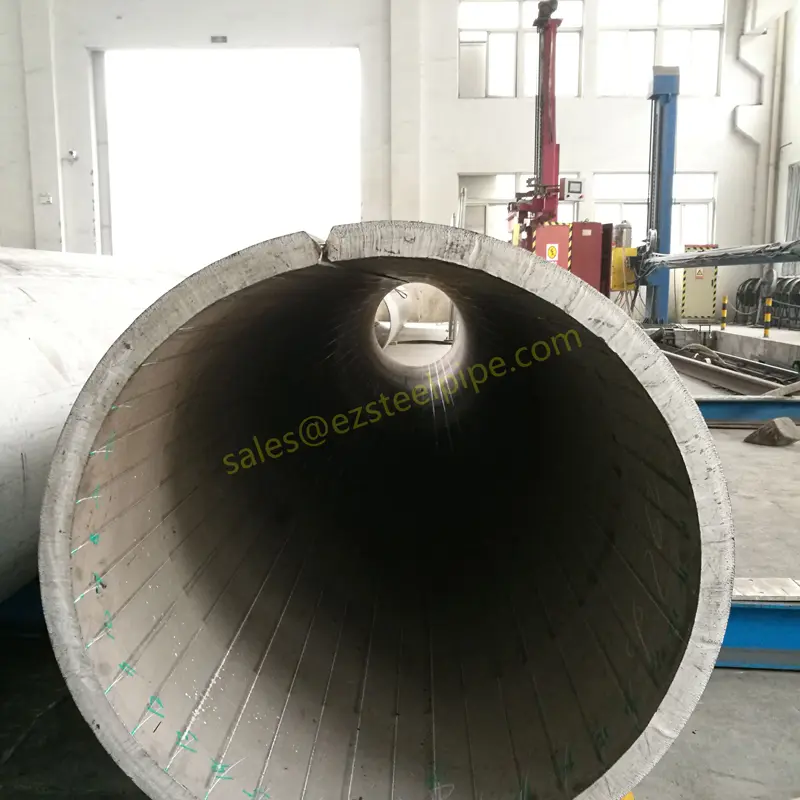
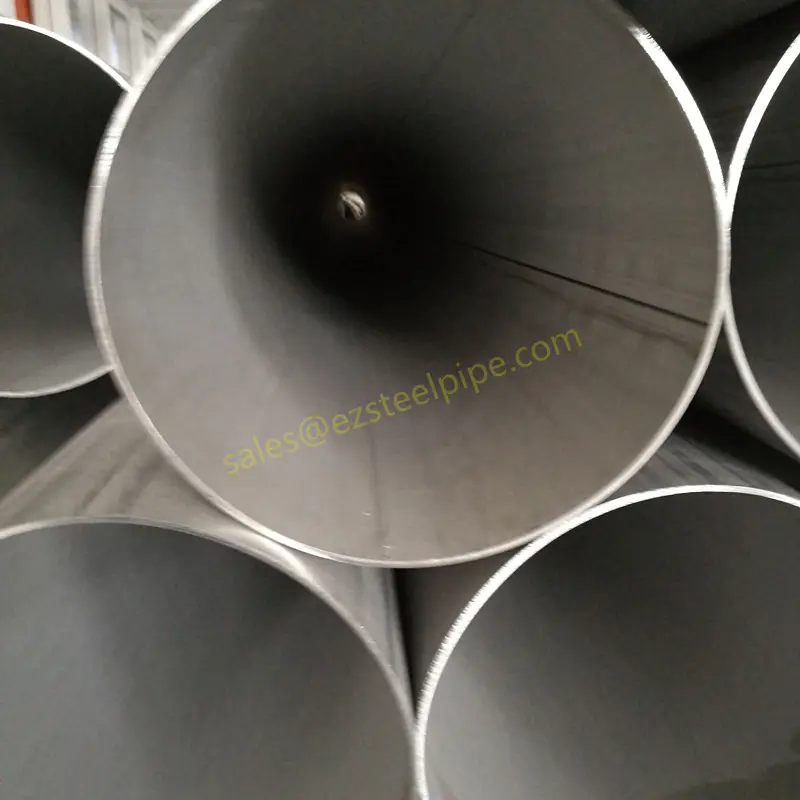
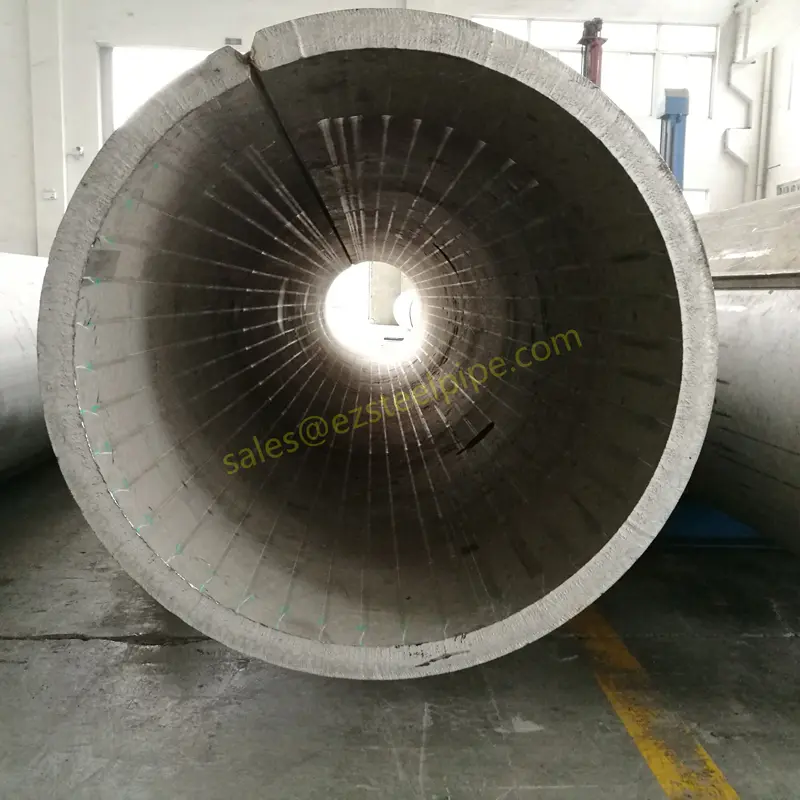
EN 10296-2 applies to welded circular steel tubes used in mechanical and general engineering applications, including structural components, machinery, and automotive parts. It does not cover tubes for pressure purposes (covered by other standards like EN 10217).

Product Description

Normative References
The standard refers to other EN and ISO standards for testing, dimensions, and material properties, such as:
• EN 10027 (steel designation systems)
• EN 10204 (inspection documents)
• EN ISO 377 (sample preparation for testing)
Ordering Information
When ordering tubes conforming to EN 10296-2, the following must be specified:
• Quantity (length, number of pieces, or total mass)
• Dimensions (outside diameter, wall thickness, length)
• Steel grade (e.g., E235, E355, etc.)
• Delivery condition (e.g., as-welded, heat-treated, cold-worked)
• Type of inspection and testing (e.g., destructive/non-destructive testing)
• Inspection certificate (e.g., EN 10204 3.1 or 3.2)
• Special requirements (if any, e.g., surface treatment, special tolerances)
Steel Grades and Chemical Composition
The standard covers non-alloy and alloy steel grades, including:
Non-alloy steels: E235, E275, E355 (with specified yield strengths)
Alloy steels: Grades with higher mechanical properties (e.g., for high-stress applications)

Chemical composition must comply with specified limits for C, Si, Mn, P, S, and other alloying elements.

Mechanical Properties
Key mechanical properties include:
Tensile strength: e.g., 360–510 MPa for E355
Yield strength: e.g., min. 235 MPa for E235
Elongation: Varies by grade and thickness

Mechanical properties may vary based on heat treatment condition (e.g., normalized, annealed, or as-welded).
Inspection and Testing Requirements
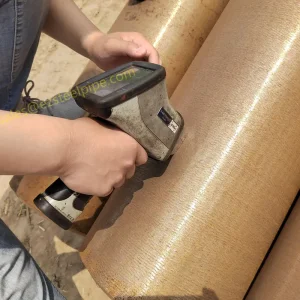
• Visual inspection (surface defects, weld integrity)
• Dimensional checks (diameter, wall thickness, straightness)
• Mechanical testing (tensile, hardness, bend tests)
• Non-destructive testing (NDT) (e.g., ultrasonic or eddy current testing)
• Hydrostatic testing (optional, if required)

Sampling frequency depends on batch size and customer requirements.
Tolerances
Outside diameter: e.g., ±1% for diameters > 30 mm
Wall thickness: Varies by manufacturing method
Length: For cut tubes, typically +10 mm / –0 mm
Straightness: e.g., max. deviation of 1.5 mm/m
Marking and Documentation
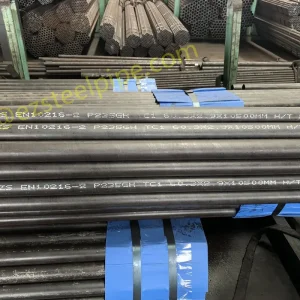
Mandatory marking: Manufacturer’s name, steel grade, dimensions, standard number (EN 10296-2)
Optional marking: Heat number, inspection stamp
Delivery documents: EN 10204 3.1 or 3.2 certificate
Technical Specifications Chart
Surface Condition and Protection
• Tubes must be free from harmful defects (cracks, excessive scaling).
• Surface treatment (e.g., oiling, painting) may be specified.
Conclusion: EN 10296-2 ensures welded steel tubes meet mechanical, dimensional, and quality requirements for engineering applications. The latest version incorporates updated testing methods and material specifications.
Frequently Asked Questions (FAQ)
What is the EN 10296-2 standard used for?
It specifies the technical delivery conditions for welded circular steel tubes made of stainless steels for mechanical and general engineering purposes.
What are the common steel grades covered by this standard?
The standard covers both non-alloy steels like E235, E275, and E355, as well as various alloy steel grades designed for high-stress applications.
Are these tubes subjected to non-destructive testing?
Yes, if specified by the purchaser, tubes can undergo non-destructive testing (NDT) such as ultrasonic or eddy current testing to ensure weld and surface integrity.
What kind of documentation is provided with the tubes?
Delivery usually includes an inspection certificate according to EN 10204 (types 3.1 or 3.2), confirming that the products meet the ordered requirements.
What are the typical tolerances for these welded tubes?
Tolerances are strictly defined for outside diameter (typically ±1%), wall thickness, length (often +10/-0 mm), and straightness (max 1.5 mm/m).
Can special surface treatments be requested?
Yes, surface protection such as oiling or painting can be specified during the ordering process to prevent corrosion during transport or storage.

Related Products