CE Certification BS 2871 – Copper and Copper Alloy Tubes Manufacturers, Factories

Scope  
BS 2871 specifies the requirements for seamless and welded tubes made from copper and copper alloys, intended for various industrial applications, including plumbing, heat exchangers, and general engineering.

Product Description

Ordering Information

When ordering tubes conforming to BS 2871, the following details should be specified:

  • Standard designation (e.g., BS 2871)
  • Alloy code/number (e.g., C106, C122)
  • Temper/condition (e.g., annealed, half-hard, hard)
  • Dimensions (outer diameter, wall thickness, length)
  • Type of tube (seamless or welded)
  • Special requirements (e.g., pressure testing, surface finish)
Material Codes & Alloys

BS 2871 classifies copper and copper alloy tubes under different parts, including:

  • Part 1: Copper tubes for water, gas, and sanitation (e.g., C106 – Phosphorus deoxidized copper)
  • Part 2: Copper alloy tubes (e.g., brass, aluminum bronze)
  • Part 3: Seamless copper tubes for heat exchangers
Common material codes:
  • C101 – High-conductivity copper
  • C106/C107 – Phosphorus deoxidized copper (suitable for welding)
  • C122 – Phosphorus deoxidized copper with higher phosphorus content
Mechanical & Chemical Properties
  • Tensile strength, elongation, and hardness vary based on temper (annealed, hard-drawn, etc.).
  • Chemical composition limits for copper purity and alloying elements (e.g., phosphorus, zinc, lead).
Inspection & Testing Requirements

BS 2871 mandates several inspection and testing procedures, including:

Dimensional checks (outer diameter, wall thickness, straightness)
Visual inspection (surface defects, cracks, dents)
Mechanical testing (tensile, hardness, flaring, flattening tests)
Hydrostatic/pressure testing (for pressure applications)
Non-destructive testing (NDT) (if specified)
Tolerances
  • Diameter and wall thickness tolerances are specified based on tube type and size.
  • Length tolerances for straight and coiled tubes.
Marking & Certification
  • Manufacturer’s name/trademark
  • Alloy designation
  • Temper condition
  • Standard number (BS 2871)
  • Certification (mill test certificates may be required for compliance).
Packaging & Storage
  • Tubes should be protected from mechanical damage and corrosion.
  • Packaging methods (bundling, boxing, or crating) depend on customer requirements.
BS 2871 Material Specifications Detail

Part 1: Copper Tubes for Water, Gas, and Sanitation

  • C101 – High-conductivity copper (≥ 99.90% Cu)
  • C103 – Oxygen-free copper (OFHC, ≥ 99.95% Cu)
  • C106 – Phosphorus deoxidized copper (Cu-DHP, low residual phosphorus)
  • C107 – Phosphorus deoxidized copper (Cu-DHP, higher phosphorus than C106)
  • C108 – Silver-bearing copper (for high-strength applications)
  • C110 – Electrolytic tough pitch copper (ETP, ≥ 99.90% Cu)

Part 2: Copper Alloy Tubes (Brass, Bronze, etc.)

  • CZ101 – 70/30 Brass (70% Cu, 30% Zn)
  • CZ102 – 60/40 Brass (60% Cu, 40% Zn)
  • CZ103 – Admiralty brass (70% Cu, 29% Zn, 1% Sn, arsenic-bearing)
  • CZ107 – Aluminum brass (76% Cu, 22% Zn, 2% Al, 0.04% As)
  • CZ108 – Naval brass (62% Cu, 36.75% Zn, 1.25% Sn)
  • CN102 – Aluminum bronze (e.g., CuAl10Fe5Ni5)
  • CN107 – Nickel silver (Cu-Ni-Zn alloy)

Part 3 & 4: Seamless Heat Exchanger & Engineering Tubes

  • CZ110 – Leaded brass (e.g., CuZn39Pb3)
  • CZ112 – Free-cutting brass (high lead content)
  • CS101 – Phosphor bronze (e.g., CuSn4, CuSn6)
Temper Designations & Applications
Tempers:
  • O (Annealed) – Soft condition
  • H (Hard-drawn) – Higher strength, less ductility
  • HR (Half-hard) – Intermediate temper
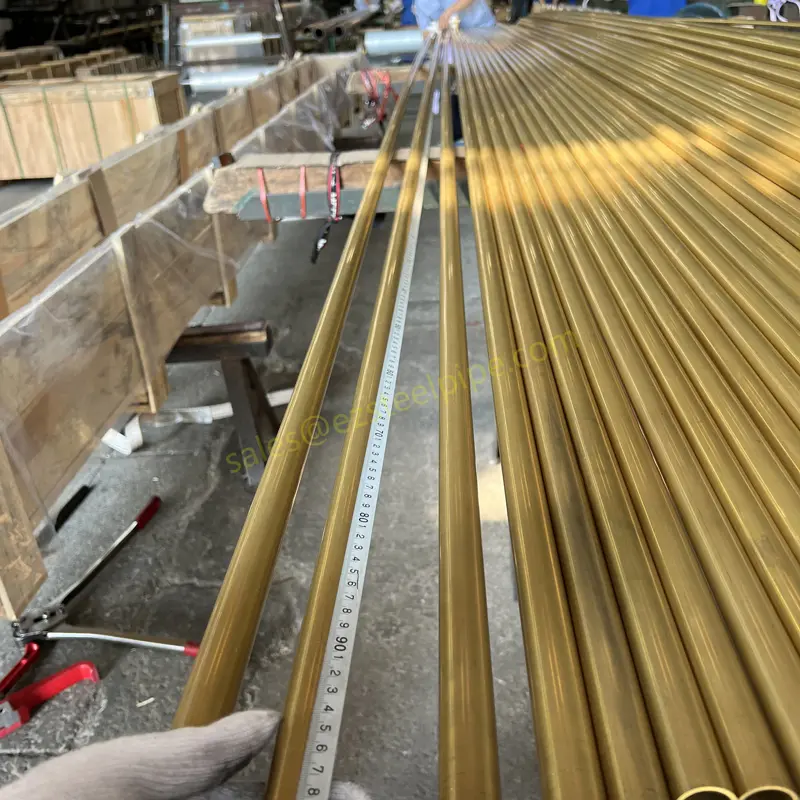
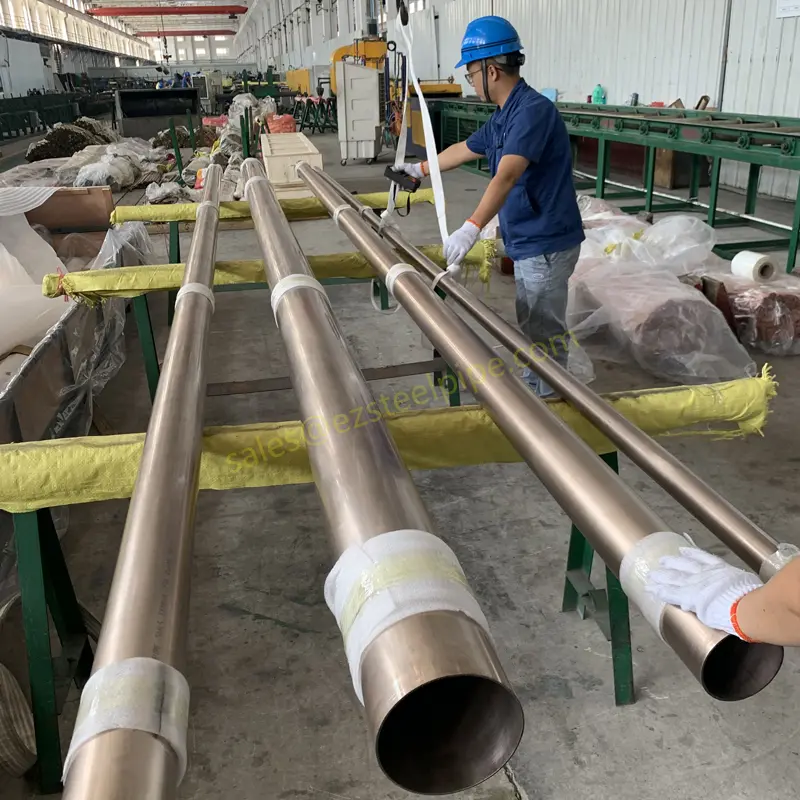
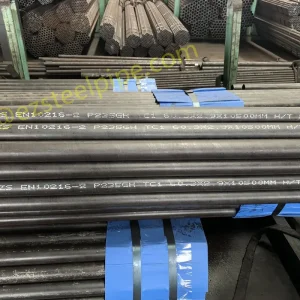
BS-2871-Copper-Alloy-Tubes-1
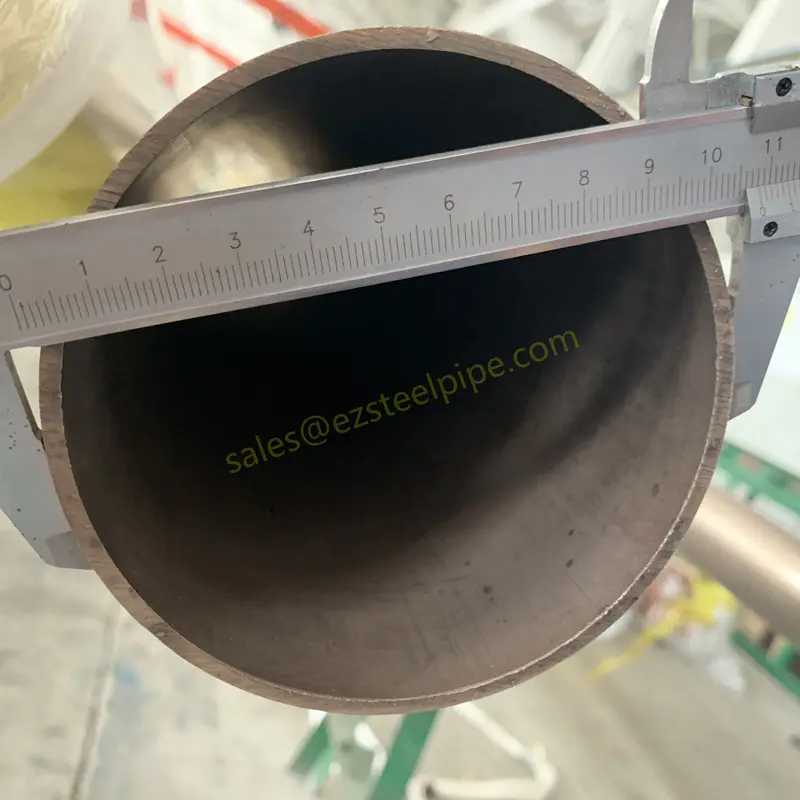
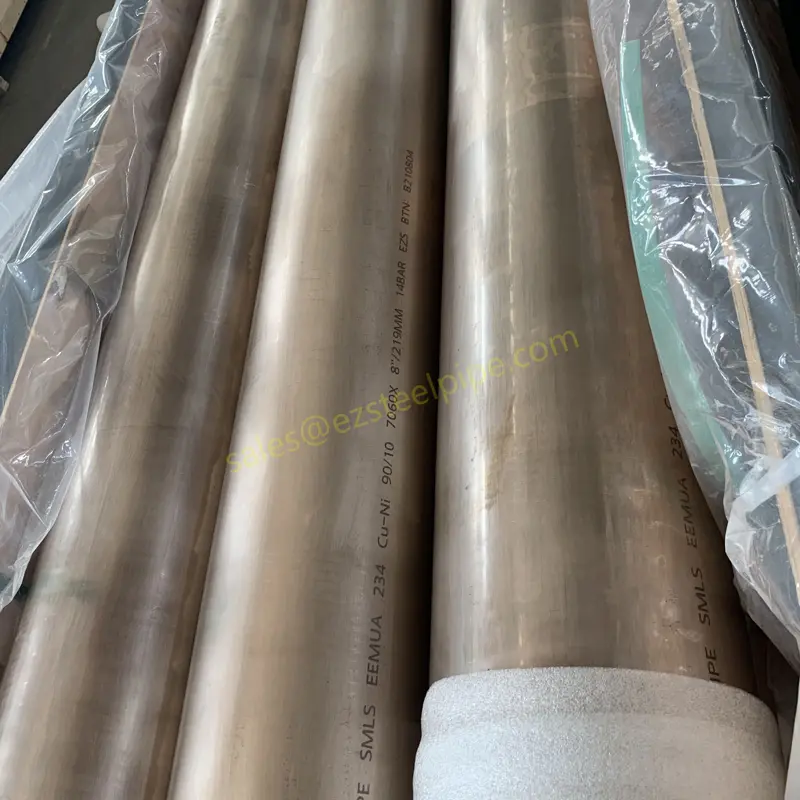
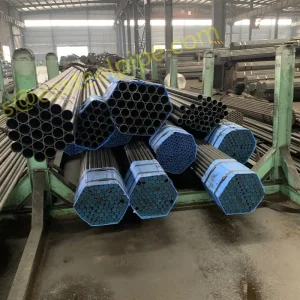
BS-2871-Copper-Alloy-Tubes-2
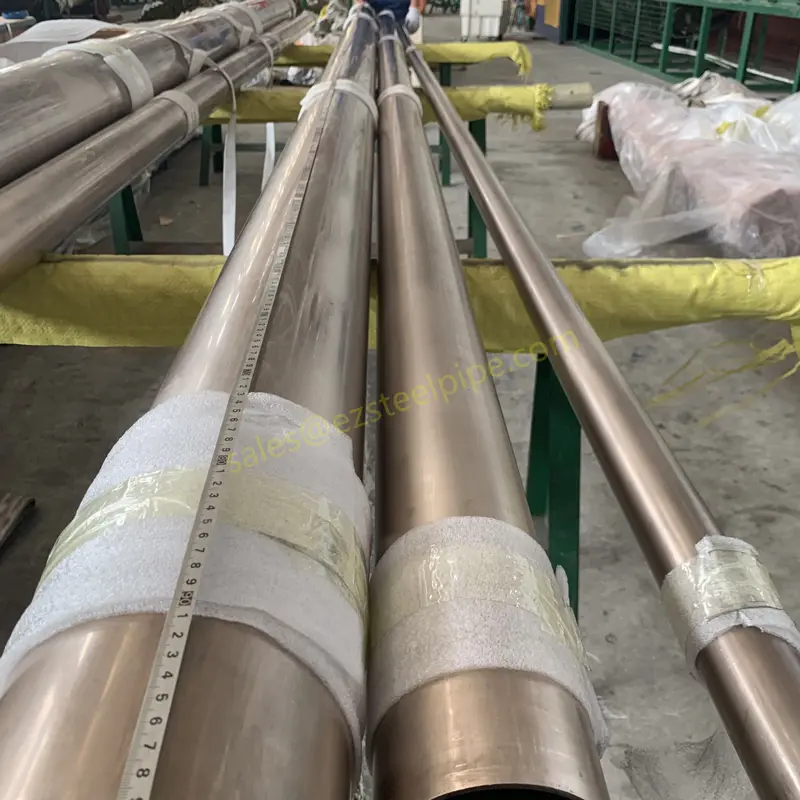
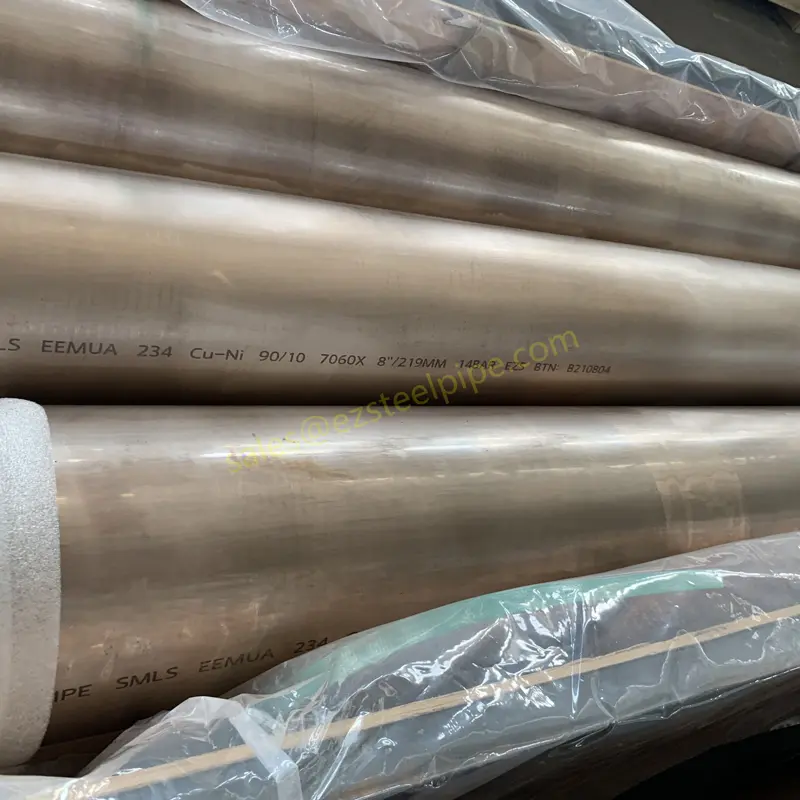
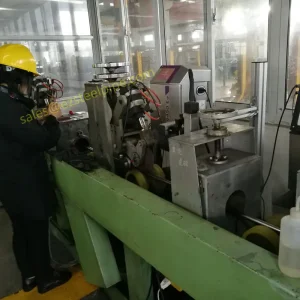
BS-2871-Copper-Alloy-Tubes-3
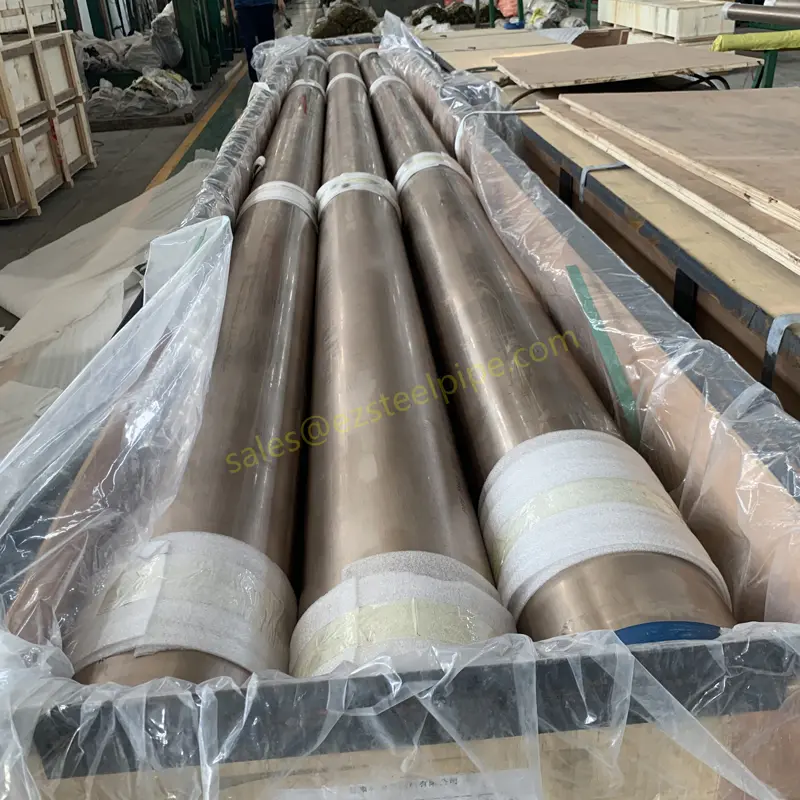
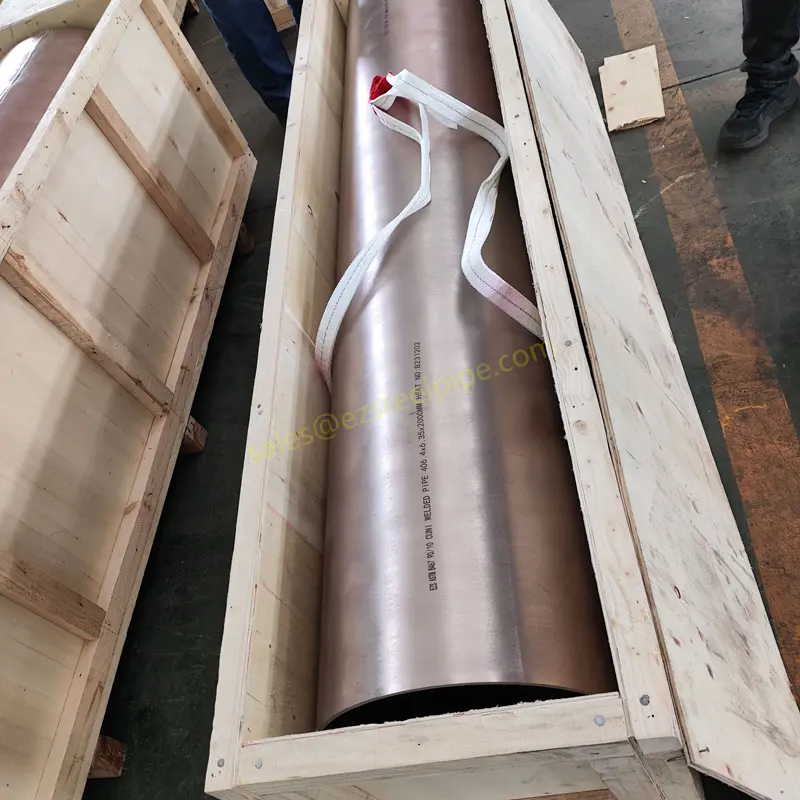
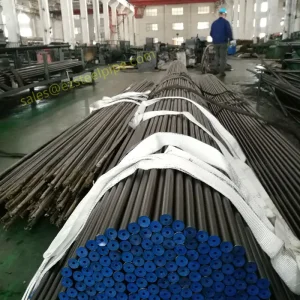
BS-2871-Copper-Alloy-Tubes-4
Frequently Asked Questions (FAQ)
Q: What is the primary purpose of the BS 2871 standard? A: BS 2871 is a British standard that specifies requirements for copper and copper alloy tubes, covering dimensions, materials, and testing for applications like water, gas, sanitation, and heat exchangers.
Q: Which alloy is most common for domestic plumbing and gas? A: C106 (Phosphorus deoxidized copper) is the standard choice for water, gas, and sanitation due to its excellent welding and brazing properties.
Q: What is the difference between 'O' and 'H' temper designations? A: 'O' stands for Annealed, which is the softest condition for easy bending. 'H' stands for Hard-drawn, providing higher mechanical strength but reduced ductility.
Q: Does BS 2871 require pressure testing? A: Yes, hydrostatic or pressure testing is mandated by the standard, especially for tubes intended for pressure-critical applications.
Q: Are BS 2871 tubes suitable for marine environments? A: Yes, specific alloys like CZ107 (Aluminum brass) and CN102 (Aluminum bronze) listed in Part 2 are highly resistant to corrosion and suitable for marine or condenser use.
Q: What should be included on the tube marking? A: Every tube must be marked with the manufacturer's name or trademark, the alloy designation, temper condition, and the standard number (BS 2871).

Related Products