Famous EN 10208 – Steel Pipes for Pipelines for Combustible Fluids Manufacturer, Factory

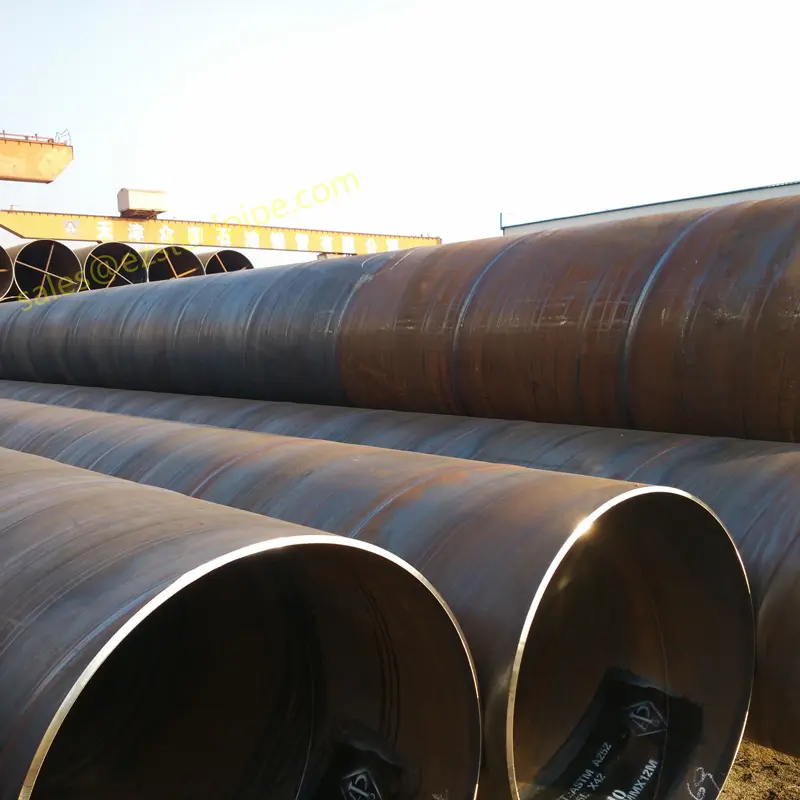
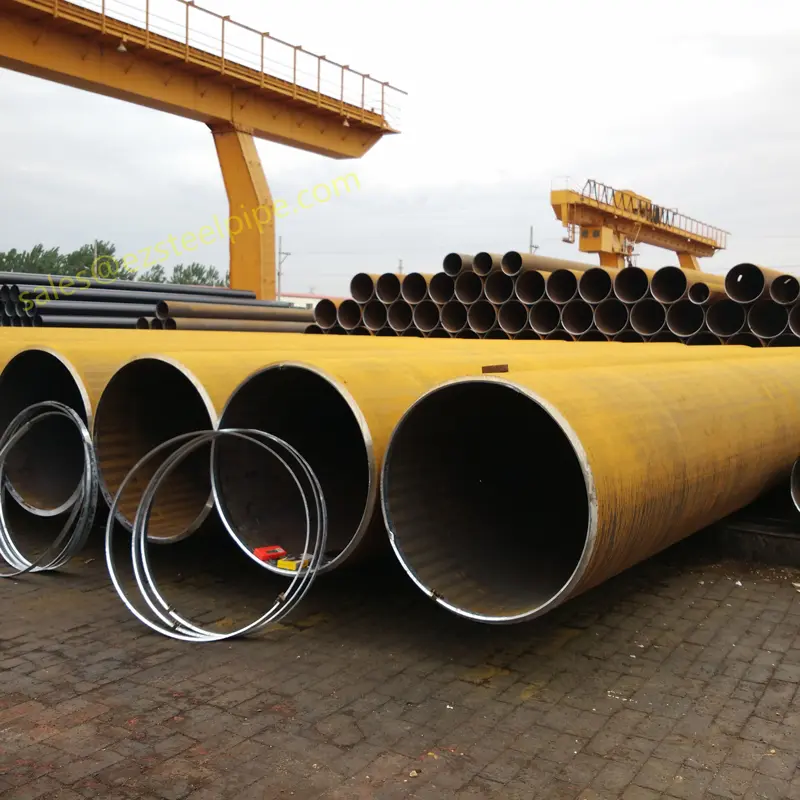
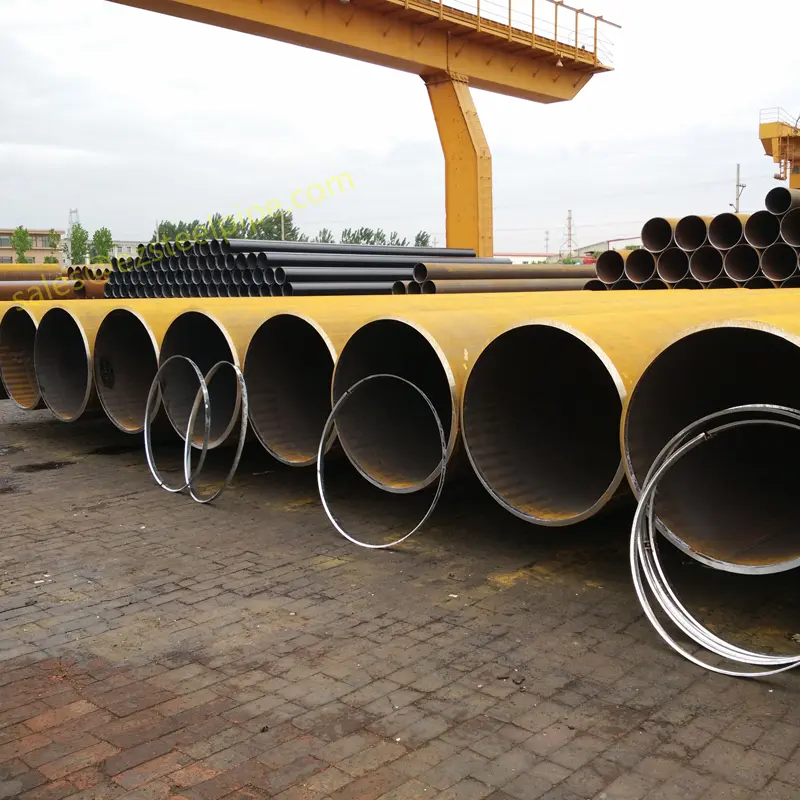
The EN 10208 standard specifies requirements for steel pipes used for pipelines in the petroleum, petrochemical, and natural gas industries. Below is an abstract of the latest version (EN 10208:2009), including key aspects such as ordering information, steel grades, inspection requirements, and other main contents.


EN 10208:2009 – Steel Pipes for Pipelines for Combustible Fluids  

Scope:  
This standard covers seamless and welded steel pipes for pipeline systems transporting flammable fluids (e.g., oil, gas, and petroleum products). It includes two parts:  
- Part 1: Pipes of Requirement Class A (Basic quality, lower testing requirements)  
- Part 2: Pipes of Requirement Class B (Higher quality, stringent testing for critical applications).

Product Description

1

Ordering Information

When ordering pipes conforming to EN 10208, the following must be specified:

  • Standard designation (EN 10208-1 or EN 10208-2)
  • Type of pipe (seamless or welded)
  • Dimensions (outside diameter, wall thickness, length)
  • Steel grade (e.g., L245, L415, etc.)
  • Requirement Class (A or B)
  • Delivery condition (e.g., normalized, quenched and tempered)
  • Inspection and testing requirements (e.g., non-destructive testing, hydrostatic test)
  • Additional requirements (e.g., impact testing at lower temperatures, supplementary chemical analysis).
2

Main Steel Grades

Steel grades are designated by "L" followed by the minimum yield strength (in MPa). Common grades include:

Grade Yield Strength (MPa) Tensile Strength (MPa) Application
L245 ≥245 415–760 Low-pressure systems
L290 ≥290 415–760 General pipelines
L360 ≥360 460–760 Medium-pressure systems
L415 ≥415 520–760 High-strength pipelines
L450 ≥450 535–760 Demanding environments
L485 ≥485 570–760 High-pressure/critical use

Note: Higher grades (e.g., L555, L690) may also be included depending on the version/supplement.

3

Inspection & Testing Requirements

For Requirement Class A (Basic):
  • Chemical analysis (C, Si, Mn, P, S, etc.)
  • Tensile test (yield strength, tensile strength, elongation)
  • Hydrostatic test (minimum test pressure specified)
  • Visual inspection (surface defects)
For Requirement Class B (Stringent):

All tests from Class A, plus:

  • Impact testing (Charpy V-notch at specified temperatures)
  • Non-destructive testing (NDT) (ultrasonic, radiographic, or magnetic particle inspection for welds/seams)
  • Additional mechanical tests (flattening test, bend test, or hardness test if required).
4

Other Key Requirements

  • Delivery condition: Pipes may be supplied in normalized, quenched and tempered, or as-rolled condition.
  • Dimensions & tolerances: Compliant with EN ISO 1127 (seamless) or EN ISO 1129 (welded).
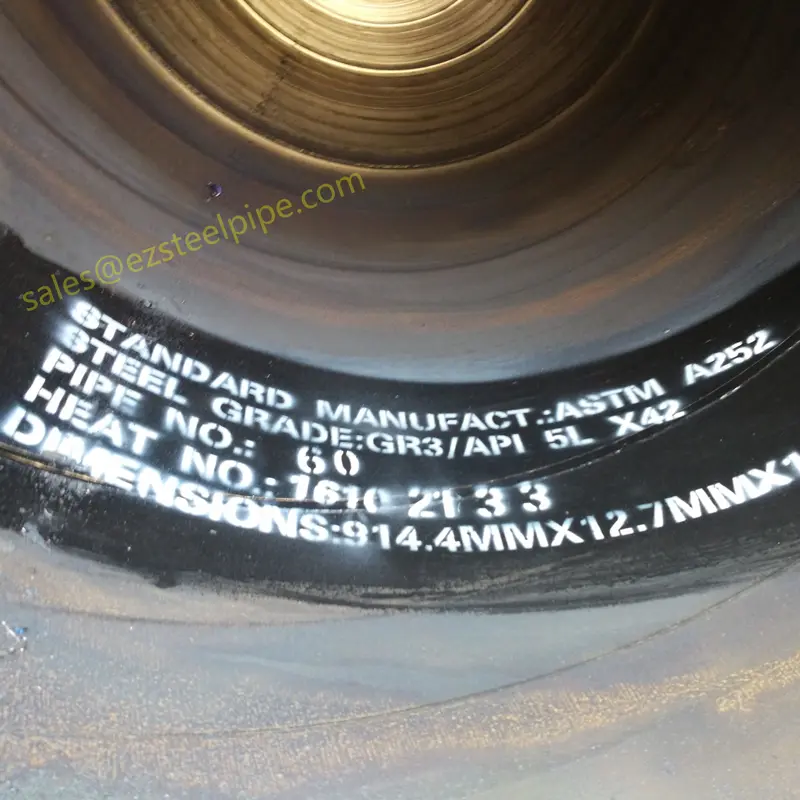
  • Marking & certification: Pipes must be marked with standard, grade, manufacturer, and inspection certificate (EN 10204 Type 3.1 or 3.2).
5

Conclusion

EN 10208:2009 is a critical standard for steel pipes in combustible fluid transportation, with Class B pipes undergoing stricter testing for high-risk applications. Key considerations include material grade selection, inspection level, and certification requirements based on operational demands.
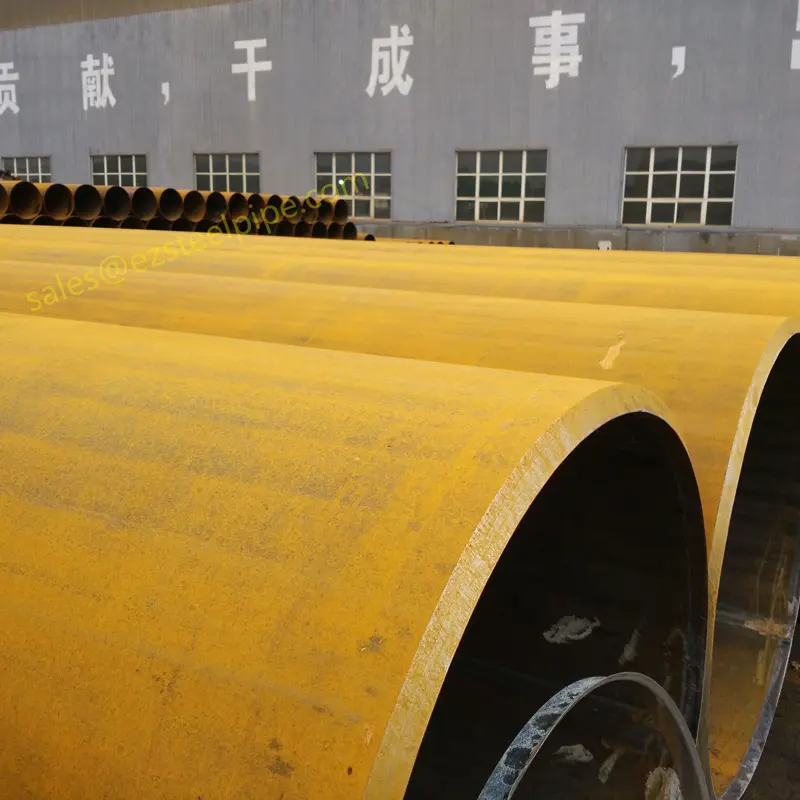
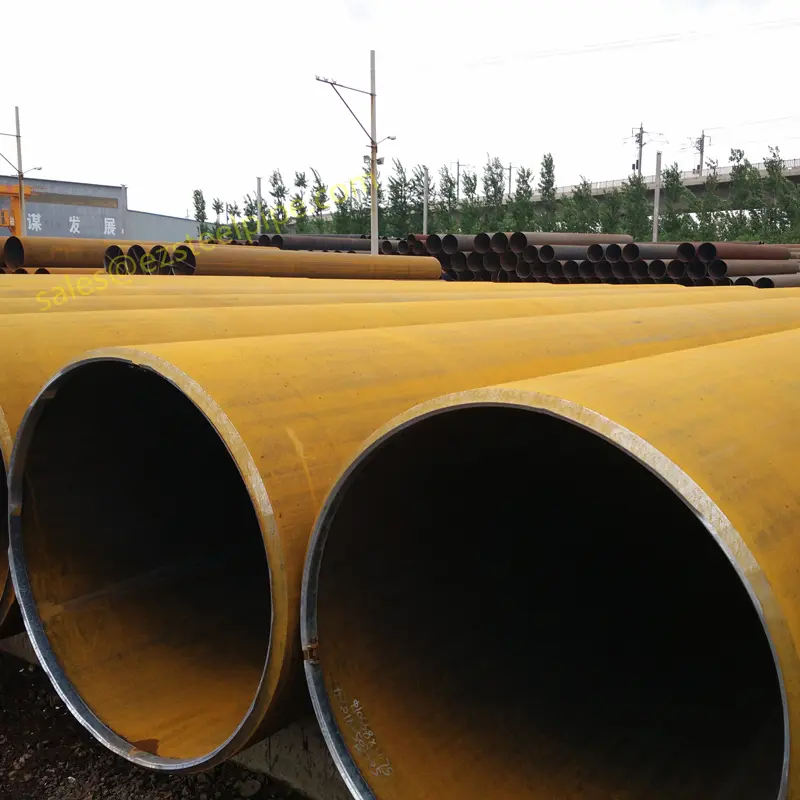
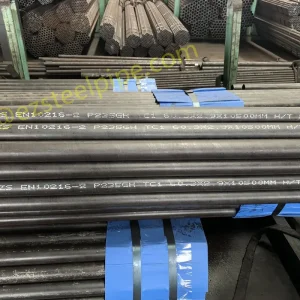
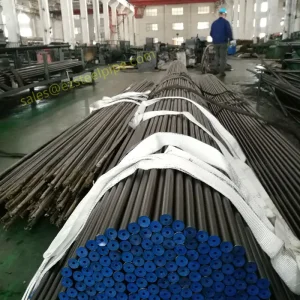
EN 10208 Steel Pipe Details
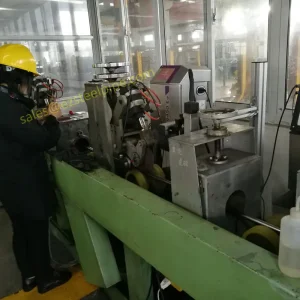
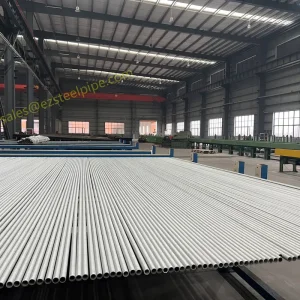
Pipeline Steel Pipe Production
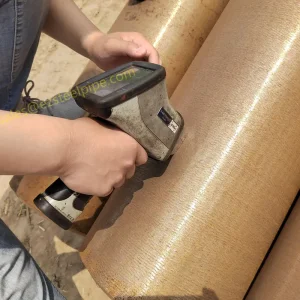
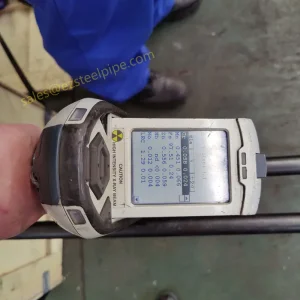
Combustible Fluid Pipe Inspection
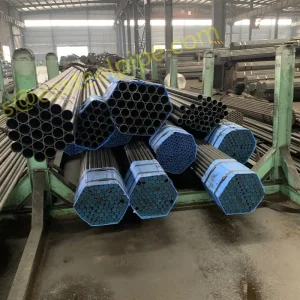
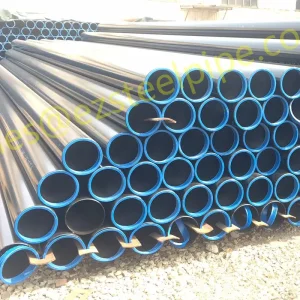
EN 10208 Product Description
Frequently Asked Questions (FAQ)
Q1: What is the main application of EN 10208 steel pipes? A1: These pipes are primarily used for the transport of combustible fluids, such as gas and oil, in pipeline systems.
Q2: What are the differences between Requirement Class A and Class B? A2: Class A specifies basic testing requirements, while Class B is more stringent, adding mandatory impact testing and non-destructive testing (NDT) for higher-risk applications.
Q3: How are the steel grades identified in EN 10208? A3: Grades start with the letter "L" (for Line pipe) followed by a number representing the minimum yield strength in MPa, such as L245 or L415.
Q4: Can these pipes be produced as both seamless and welded? A4: Yes, the EN 10208 standard covers both seamless and welded steel pipes depending on the specific project requirements.
Q5: What kind of quality certification is provided with EN 10208 pipes? A5: Pipes are typically supplied with inspection certificates according to EN 10204, specifically Type 3.1 or 3.2.
Q6: What delivery conditions are available for these pipes? A6: Pipes can be delivered in various conditions, including as-rolled, normalized, or quenched and tempered, to meet specific mechanical property requirements.

Related Products