OEM Threaded Pipe Fittings Supplier, Factories

Threaded pipe fittings are among the most widely used connection methods in low-to-medium pressure piping systems. They feature tapered (NPT) or parallel (BSP) threads that allow pipes to be screwed together without welding. Below is a detailed introduction covering standards, sizes, assembly differences, and key comparisons with SW/BW fittings.

Product Description

⚙️

Manufacturing Standards for Threaded Fittings

a) ASME/ANSI Standards (USA & International)

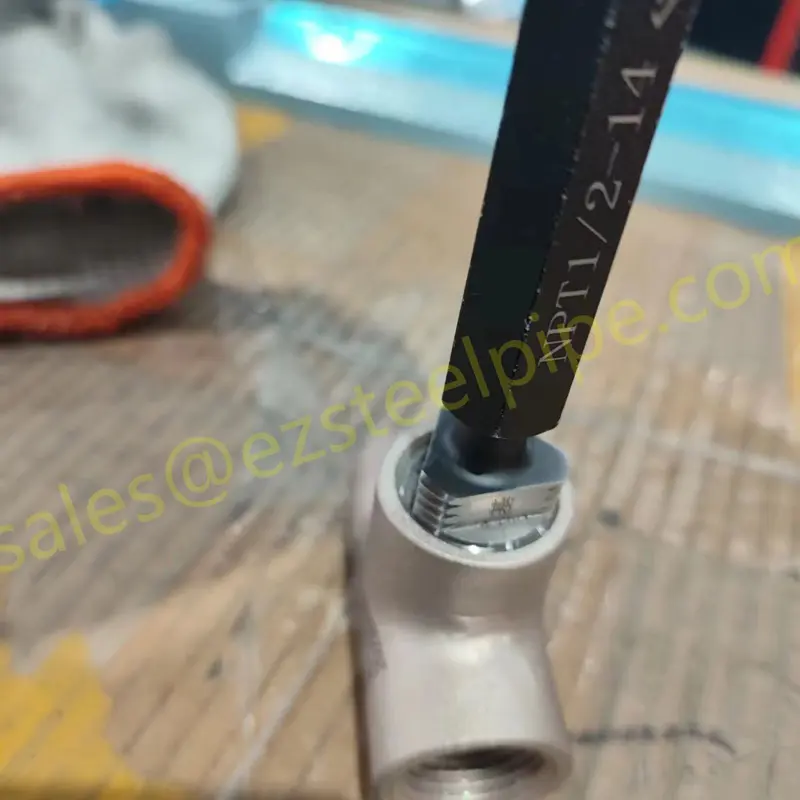
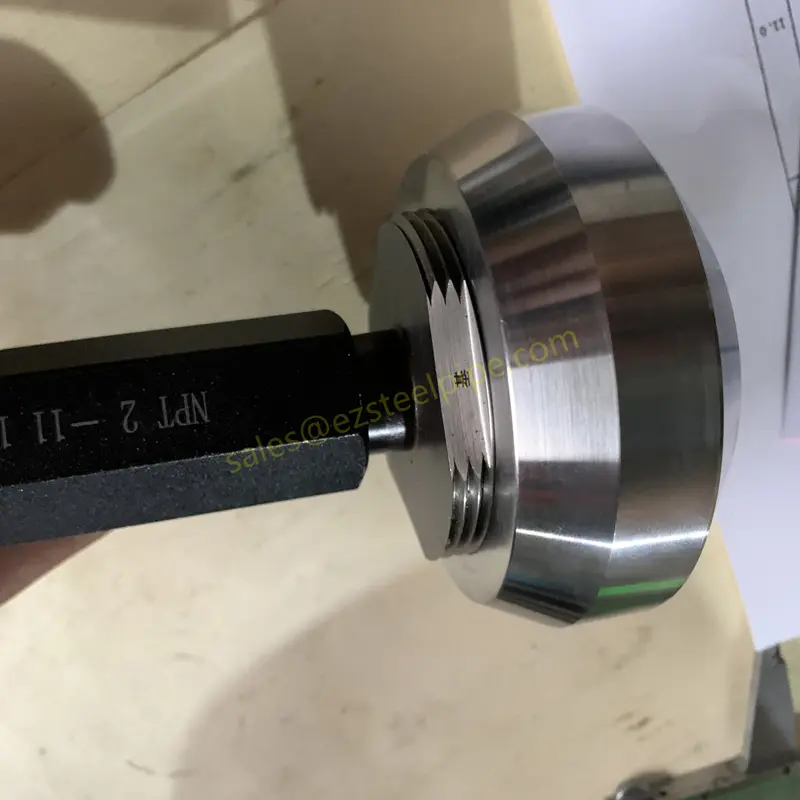
  • ASME B1.20.1: Defines NPT (National Pipe Tapered Thread) dimensions.
  • ASME B16.11: Covers forged threaded fittings (similar to socket-weld).
  • MSS SP-42: Stainless steel threaded/bonded fittings.
  • ASTM A105/A182: Material standards for carbon/stainless steel.

b) BSP Standards (Europe/Asia)

  • ISO 7-1 (BSPT): British Standard Pipe Tapered Thread (similar to NPT but different angle).
  • ISO 228-1 (BSPP): British Standard Pipe Parallel Thread (requires sealant/O-ring).

c) JIS (Japanese Standard)

  • JIS B0203: Metric tapered threads (PT).
  • JIS B2306: Threaded steel pipe fittings.
📏

Size Range of Threaded Fittings

Fitting Type Common Size Range (NPS) Max. Typical Size
Threaded Elbow1/8" to 12"12" (limited beyond)
Threaded Tee1/8" to 12"12"
Threaded Coupling1/8" to 12"12"
Threaded Reducer1/8" to 12"12"
Threaded Cap1/8" to 12"12"
Threaded Union1/8" to 4"4" (larger = impractical)

Notes:

  • Most common sizes: ½" to 4" (NPT/BSP).
  • NPS > 4" is possible but rare due to sealing challenges.
  • BSP fittings are common in Europe/Australia, while NPT dominates in the USA.
🔩

Thread Types & Sealing Methods

Thread Type Description Sealing Method
NPT (Tapered)Tapered thread (1.79° angle)Thread sealant (Teflon tape, pipe dope)
BSPT (Tapered)British Standard (1.47° angle)Thread sealant
BSPP (Parallel)Straight thread (G-series)O-ring/gasket required
SAE StraightUsed in hydraulicsMetal-to-metal sealing

Key Differences: NPT vs. BSPT: NPT has a steeper taper; they are not interchangeable. BSPP (G-thread) requires a washer/O-ring (common in hydraulics).
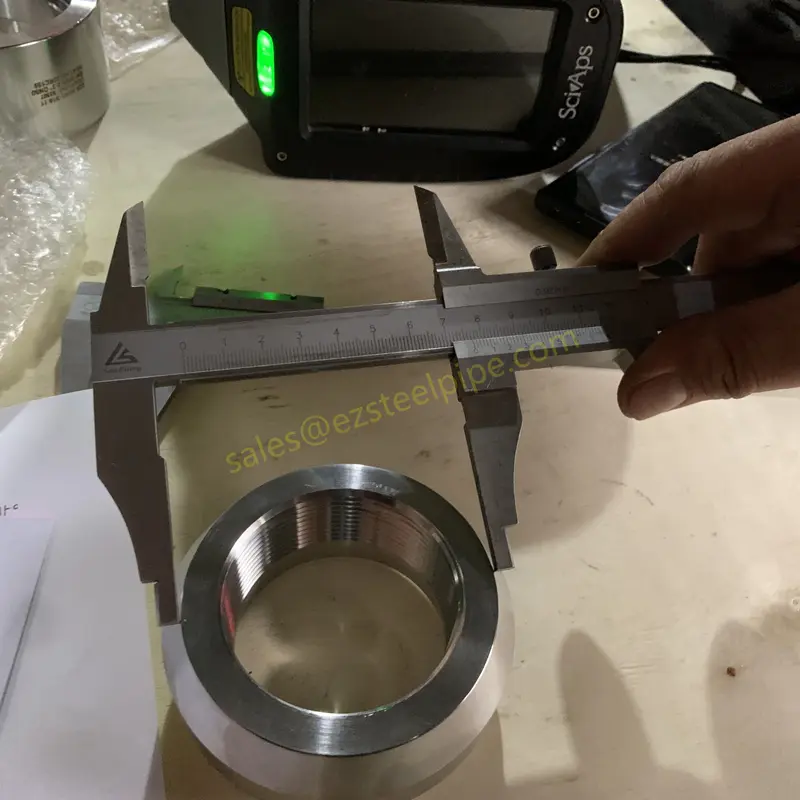
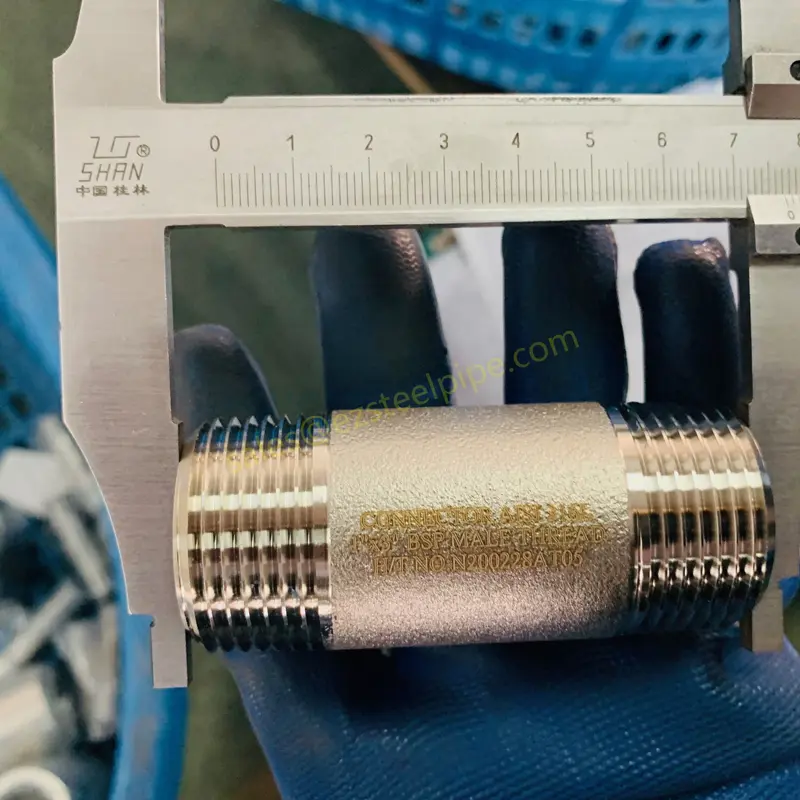
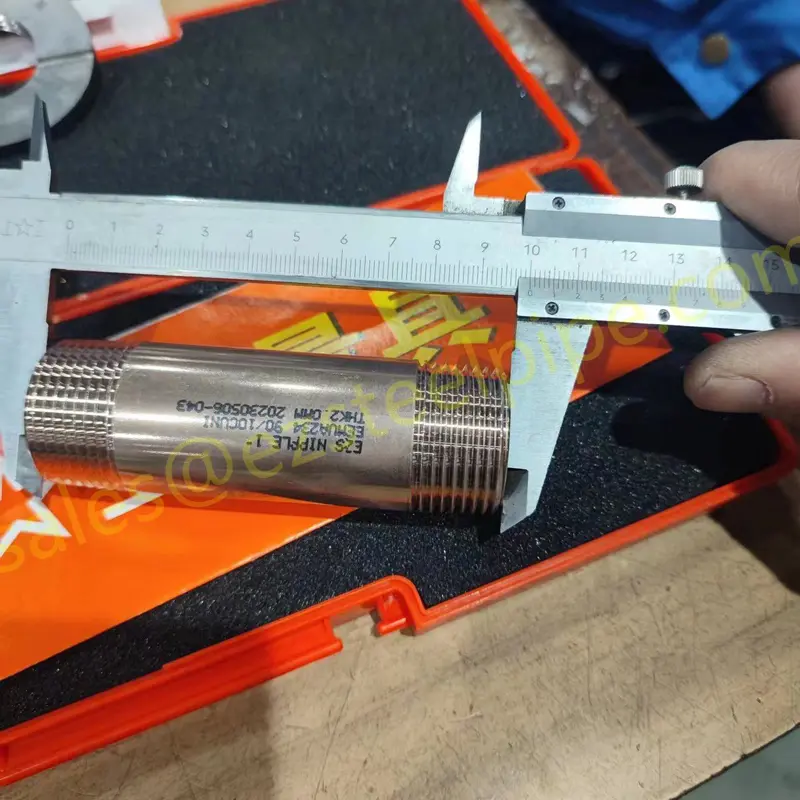
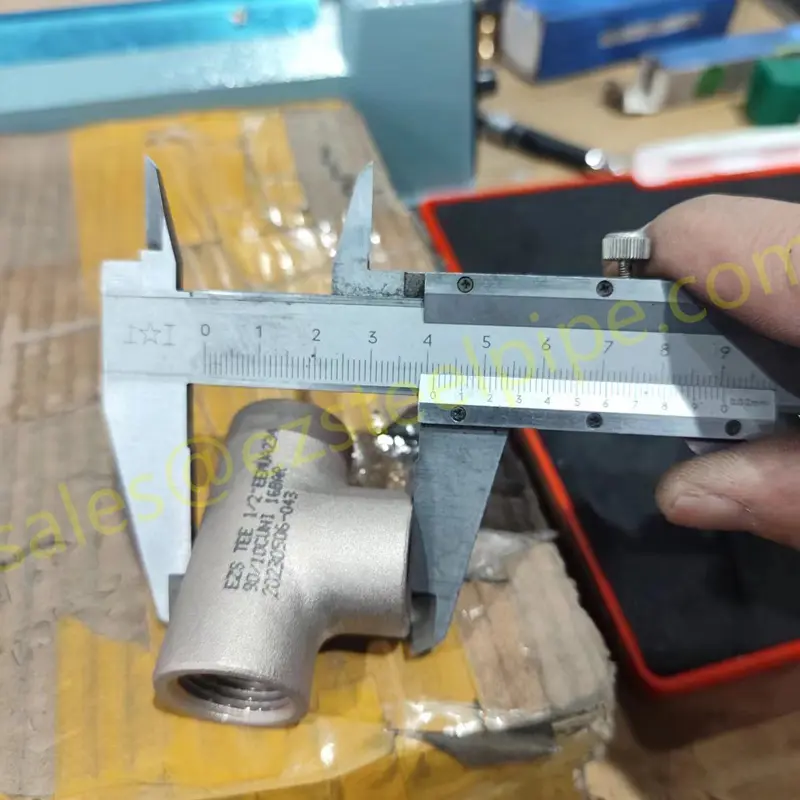
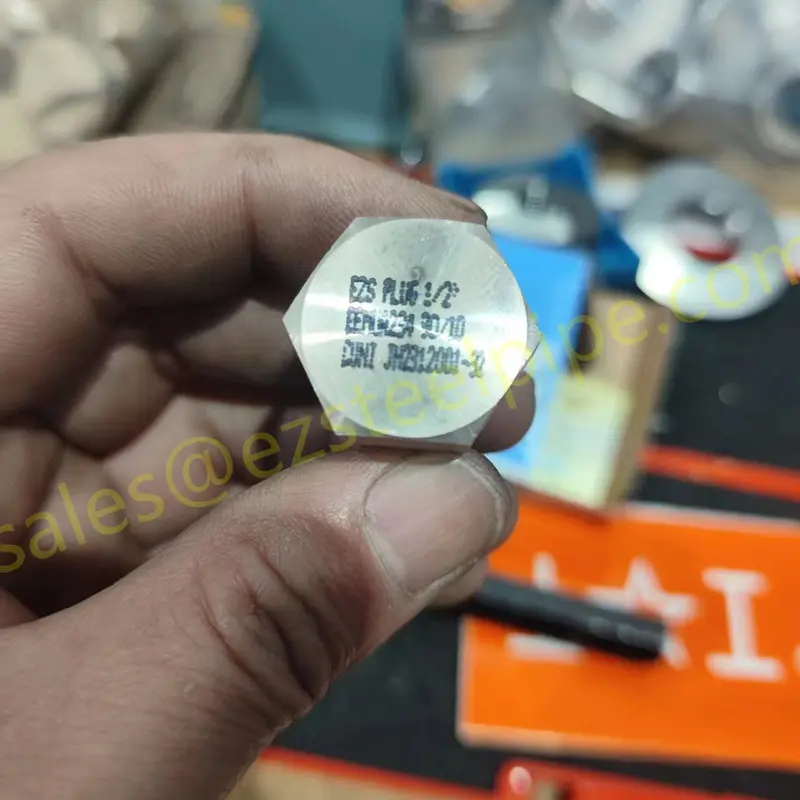
Threaded Pipe Fitting View 1
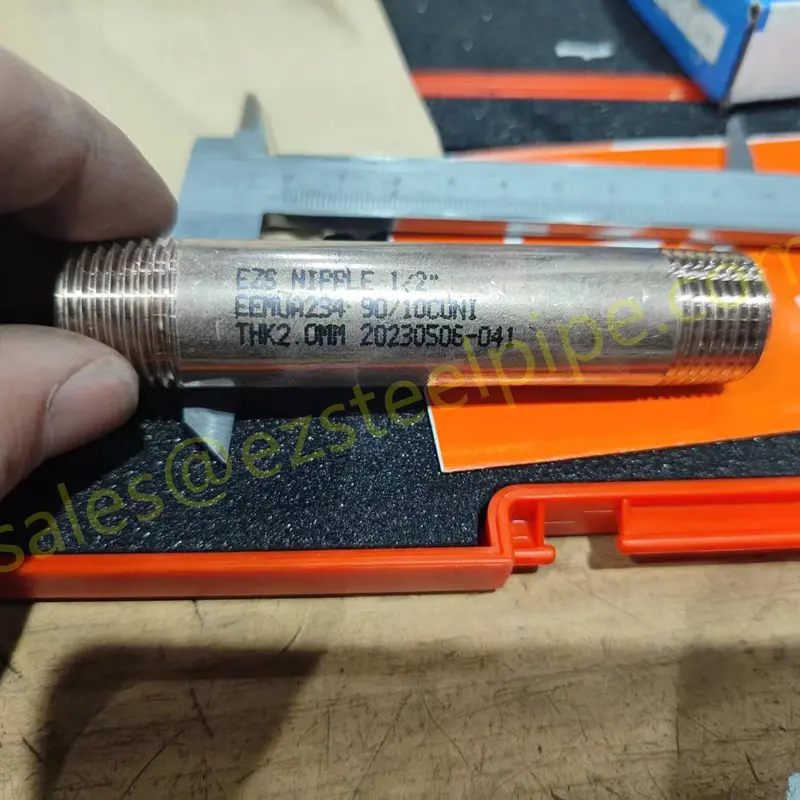
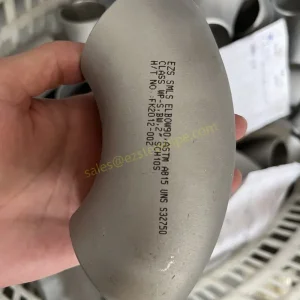
Threaded Pipe Fitting View 2
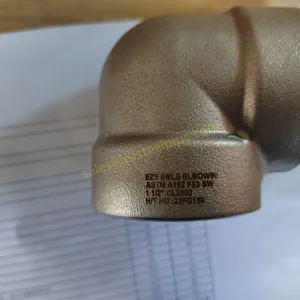
Threaded Pipe Fitting View 3
🔧

Connection & Assembly Process

a) Installation Steps

  1. Inspect threads for damage.
  2. Apply sealant (Teflon tape for NPT/BSPT, Loctite for high-pressure).
  3. Hand-tighten first, then use a wrench (1-2 turns past hand-tight).
  4. Avoid over-tightening (can crack fittings).

b) Disassembly

  • Threaded fittings can be unscrewed for maintenance (unlike SW/BW).
  • Re-sealing may be needed upon reassembly.
📊

Key Differences: Threaded vs. SW vs. BW Fittings

Feature Threaded Socket-Weld (SW) Butt-Weld (BW)
Connection TypeScrewed (NPT/BSP)Pipe inserted & fillet-weldedPipe butted & fully welded
Pressure RatingLow-Medium (≤3000 PSI)High (Up to 9000)Very High (Unlimited)
Leak ResistanceModerate (sealant needed)High (welded)Best (full penetration)
Size Range1/8" – 12"1/8" – 4"1/2" – 48"+
Installation SpeedFastest (no welding)Moderate (welding)Slowest (precision welding)
DisassemblyEasy (reusable)Difficult (cutting)Permanent (cutting)
CostLowestMediumHighest
Threaded Fitting Technical Description
💡

Applications & Practical Guide

✔ Ideal Applications:

  • Low/Medium Pressure Systems (Water, air, gas).
  • Plumbing & HVAC (Easy installation).
  • Maintenance-Friendly Systems.
  • Hydraulic Lines (BSPP/SAE).

✖ Avoid For:

  • High-pressure steam/oil/gas (risk of leaks).
  • Vibration-heavy systems.
  • Corrosive fluids (unless using stainless steel).

Conclusion: Threaded fittings are ideal for low-cost, easy-installation systems where welding is impractical. NPT (USA) and BSP (Europe/Asia) are the dominant standards. Best for water lines, compressed air, and maintenance-heavy systems.
Frequently Asked Questions (FAQ)

1. What is the difference between NPT and BSPT threads?
NPT (National Pipe Taper) has a 60° thread angle and is common in North America, while BSPT (British Standard Pipe Taper) has a 55° angle and is common in Europe and Asia. They are not compatible due to the different angles and thread pitches.
2. Do threaded fittings require welding?
No, one of the primary advantages of threaded fittings is that they require no welding. They are joined by screwing the pipe into the fitting, making installation quick and safe in areas where sparks are prohibited.
3. Are threaded pipe fittings reusable?
Yes, unlike welded fittings, threaded fittings can be unscrewed and reused. However, it is essential to clean the threads and apply new sealant (like Teflon tape) before reassembling to ensure a leak-proof seal.
4. What is the pressure limit for threaded fittings?
Threaded fittings are generally used for low to medium pressure systems, typically rated up to 3000 PSI. For higher pressure or critical leak-free requirements, socket-weld or butt-weld fittings are preferred.
5. Why is sealant needed on tapered threads?
Tapered threads (NPT/BSPT) rely on a metal-to-metal wedge fit. Sealant or Teflon tape is used to fill the small gaps between the thread crests and roots to prevent fluid from leaking through the spiral path.
6. Can I use threaded fittings on large diameter pipes?
While threaded fittings are manufactured up to 12", they are rarely used for sizes above 4" because it becomes extremely difficult to seal large threads and the labor required to tighten them increases significantly.

Related Products