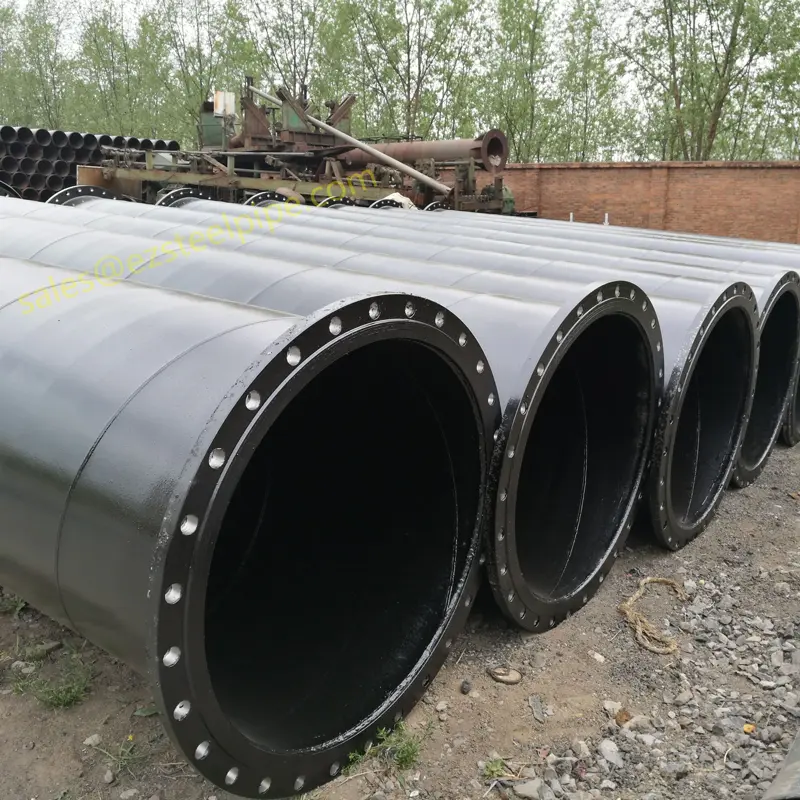
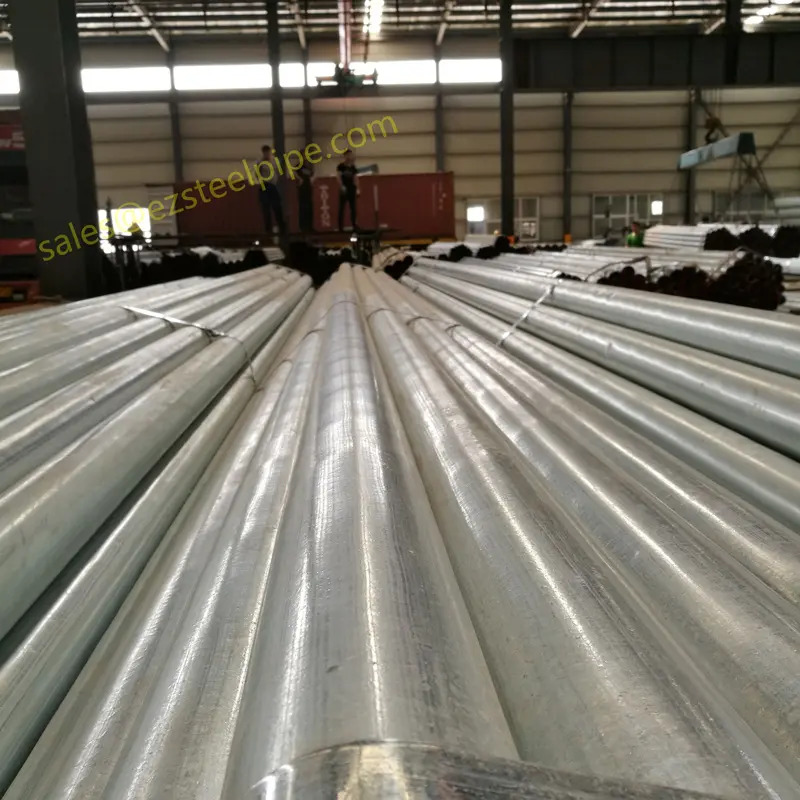
OEM GOST 20295: Welded Steel Pipes for Oil and Gas Pipelines Suppliers, Factory

Scope  
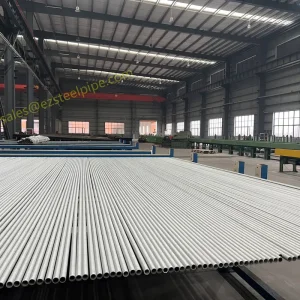
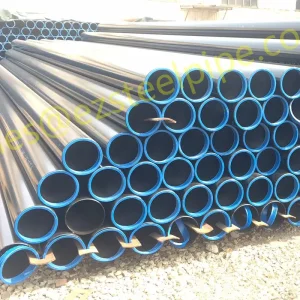
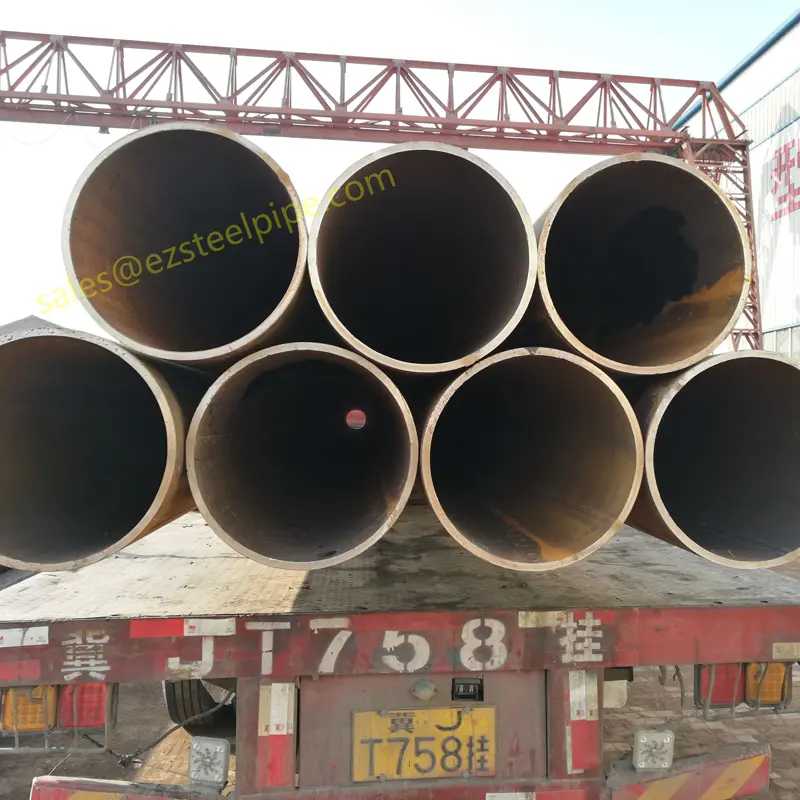
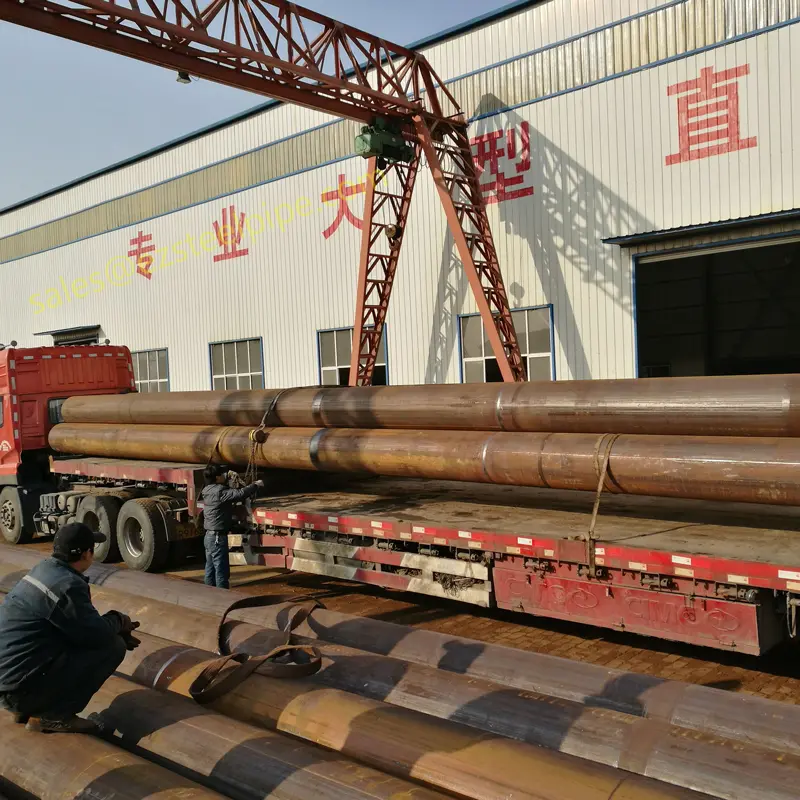
- Applies to electric-resistance welded (ERW) and submerged arc welded (SAW) steel pipes used in main oil & gas pipelines, including those for sour service (Hâ‚‚S-containing environments).

Product Description

Ordering Information

When ordering pipes per GOST 20295, the following must be specified:

  • Pipe dimensions (outer diameter, wall thickness, length)
  • Steel grade (e.g., K48, K52, K60, etc.)
  • Manufacturing method (ERW or SAW)
  • Delivery condition (normalized, thermally improved, etc.)
  • Additional requirements (impact testing, HIC resistance, etc.)
Main Steel Grades & Mechanical Properties
Steel Grade Yield Strength (MPa, min) Tensile Strength (MPa) Elongation (%)
K42 ≥ 420 520–640 ≥ 24
K48 ≥ 480 570–710 ≥ 22
K52 ≥ 520 610–760 ≥ 20
K60 ≥ 600 690–830 ≥ 18
Chemical Composition
  • Limits for C, Mn, Si, S, P, Nb, V, Ti, and other microalloying elements.
  • Carbon Equivalent (CE) is restricted for weldability.
Inspection & Testing Requirements
  • Non-destructive testing (NDT):
    - 100% ultrasonic testing (UT) for weld seams.
    - Eddy current or radiographic testing (if specified).
  • Mechanical tests:
    - Tensile, impact (Charpy V-notch at –20°C or –40°C), hardness.
  • Hydrostatic testing:
    - Mandatory for all pipes (test pressure calculated per standard).
  • HIC/SSC testing (for sour service applications).
Marking & Certification
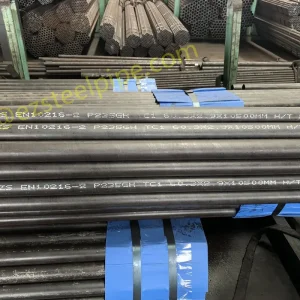
  • Pipes must be marked with: Manufacturer’s name, steel grade, size, heat number, and GOST 20295 compliance.
  • Certification: Mill Test Certificate (MTC) with chemical/mechanical test results.
Additional Requirements
  • Dimensional tolerances (OD, wall thickness, straightness).
  • Surface quality (no cracks, laps, or unacceptable defects).
  • End preparation (beveled ends if required for welding).
Key Revisions in Latest Version
  • Stricter Sulfur (S) and Phosphorus (P) limits for improved toughness.
  • Updated NDT methods (enhanced UT sensitivity requirements).
  • Expanded steel grades for high-pressure applications.
Applicable Replacements & Related Standards
  • ISO 3183 (international equivalent for pipeline pipes).
  • API 5L (similar scope but differs in some technical requirements).
GOST-20295-Welded-Steel-Pipes-for-Oil-and-Gas-Pipelines5
GOST-20295-Welded-Steel-Pipes-for-Oil-and-Gas-Pipelines6
GOST-20295-Welded-Steel-Pipes-for-Oil-and-Gas-Pipelines7
product-description2
Frequently Asked Questions
What are the common steel grades covered by GOST 20295?
The standard covers several grades including K42, K48, K52, and K60, each with specific yield and tensile strength requirements suitable for oil and gas pipelines.
What manufacturing methods are used for these pipes?
GOST 20295 pipes are typically manufactured using Electric Resistance Welding (ERW) or Submerged Arc Welding (SAW) methods.
Is ultrasonic testing mandatory for GOST 20295 weld seams?
Yes, 100% ultrasonic testing (UT) of the weld seams is a mandatory requirement for inspection and testing.
Can these pipes be used in sour service environments?
Yes, provided they undergo additional HIC (Hydrogen-Induced Cracking) and SSC (Sulfide Stress Cracking) testing as specified in the ordering requirements.
How does GOST 20295 compare to API 5L?
While both cover similar scopes for pipeline pipes, they differ in specific technical requirements, chemical limits, and mechanical property thresholds. API 5L is the international standard, while GOST 20295 is primarily used in the CIS region.
What documentation is provided with the pipes?
All pipes are supplied with a Mill Test Certificate (MTC) which details the chemical composition and mechanical test results, confirming compliance with GOST 20295.

Related Products