Frequently Asked Questions (FAQ)
Q1: What is the JIS H 3300 standard?
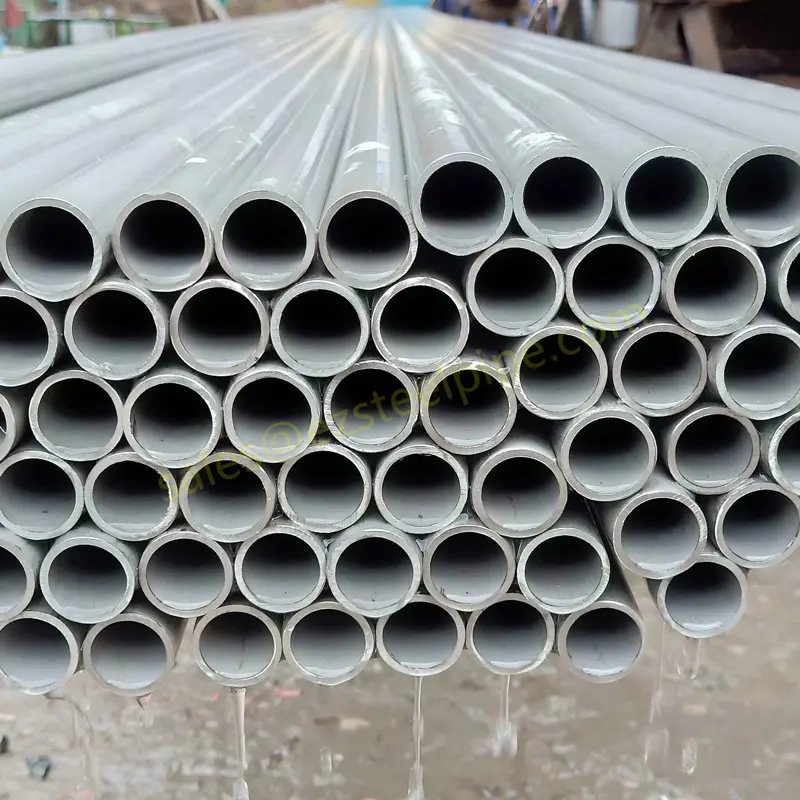
It is the Japanese Industrial Standard for seamless copper and copper alloy pipes and tubes used for various industrial applications.
Q2: Which material codes are commonly available under this standard?
Common codes include C1020, C1220, C2801, C4430, C6870, C7060, and C7150, covering pure copper, brass, and copper-nickel alloys.
Q3: What manufacturing methods are used for these tubes?
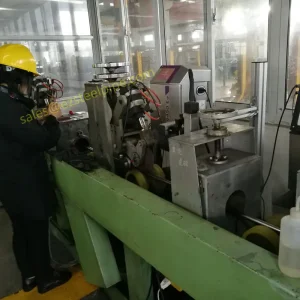
They are typically produced through extrusion, cold drawing, or rolling processes, often followed by heat treatment (annealing) to achieve specific tempers.
Q4: What inspections are required for JIS H 3300 compliance?
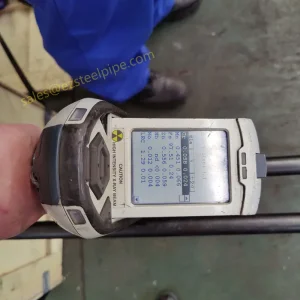
Requirements include chemical analysis, mechanical testing (tensile/hardness), hydrostatic or nondestructive testing for leaks, visual inspection, and dimensional verification.
Q5: What information is needed when placing an order?
You should specify the JIS H 3300 designation, material code, dimensions (OD/WT/Length), temper designation, quantity, and any special requirements.
Q6: How are the mechanical properties affected by temper?
Temper designations like soft, hard, or half-hard significantly impact tensile strength and elongation. For example, C1220 (Soft) has a lower tensile strength but higher elongation compared to C2801 (Hard).
 EZ STEEL