Home >
Industrial Valves >
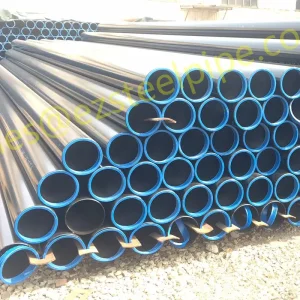
Famous GB/T 14976 – Seamless Steel Tubes for Fluid Transportation Manufacturer, Factories
1 / 3
Famous GB/T 14976 – Seamless Steel Tubes for Fluid Transportation Manufacturer, Factories
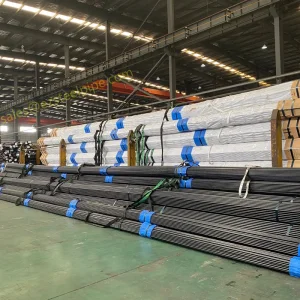
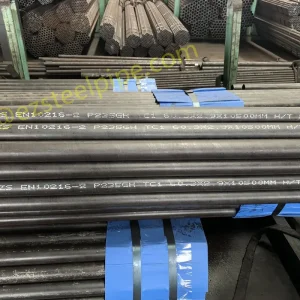
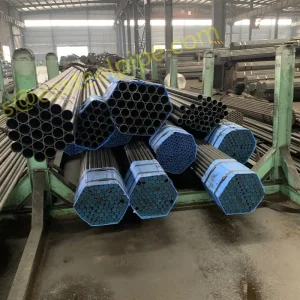
 Scope  - Applies to seamless steel tubes used for conveying fluids (e.g., water, oil, gas).  - Covers hot-rolled (extruded) and cold-drawn (cold-rolled) tubes.
Stainless Steel Grades: Added in recent updates (e.g., 304, 316L).
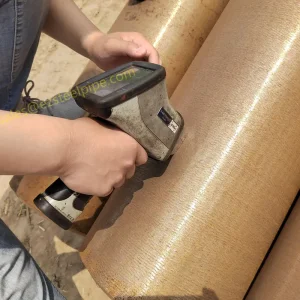
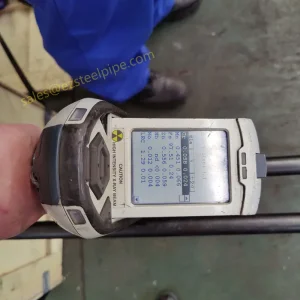
NDT Emphasis: Enhanced inspection requirements in newer versions.
Frequently Asked Questions
Q1: What is the main application of GB/T 14976 seamless steel tubes?A: These tubes are specifically designed for fluid transportation, including water, oil, gas, and other liquids in industrial piping systems.
Q2: Which steel grades are most commonly used under this standard?A: Common grades include carbon steel (10, 20), low-alloy steel (16Mn), and high-quality stainless steel grades like 304 and 316L.
Q3: Is pressure testing mandatory for these tubes?A: Yes, hydrostatic testing is a mandatory requirement to ensure the tubes can safely handle the intended fluid pressure without leaking.
Q4: What manufacturing methods are permitted?A: The standard covers tubes produced through hot rolling, cold drawing, or cold rolling processes, depending on the required dimensions and properties.
Q5: How is the quality of the surface ensured?A: The tubes must be free from cracks, folds, and severe scratches. Quality is further verified through visual inspection and Non-Destructive Testing (NDT) such as ultrasonic or eddy current tests.
Q6: What documentation is provided with the order?A: A formal quality certificate is provided, which includes chemical analysis, mechanical test results, and a statement of compliance with the GB/T 14976 standard.
 EZ STEEL