CE Certification Industrial Valves Manufacturer, Suppliers

Valves are critical components in oil and gas pipelines, controlling flow, pressure, and direction of fluids (oil, gas, water, and chemicals). The selection depends on pressure, temperature, fluid type, and operational requirements.

Product Description

Main Types of Valves in Oil & Gas

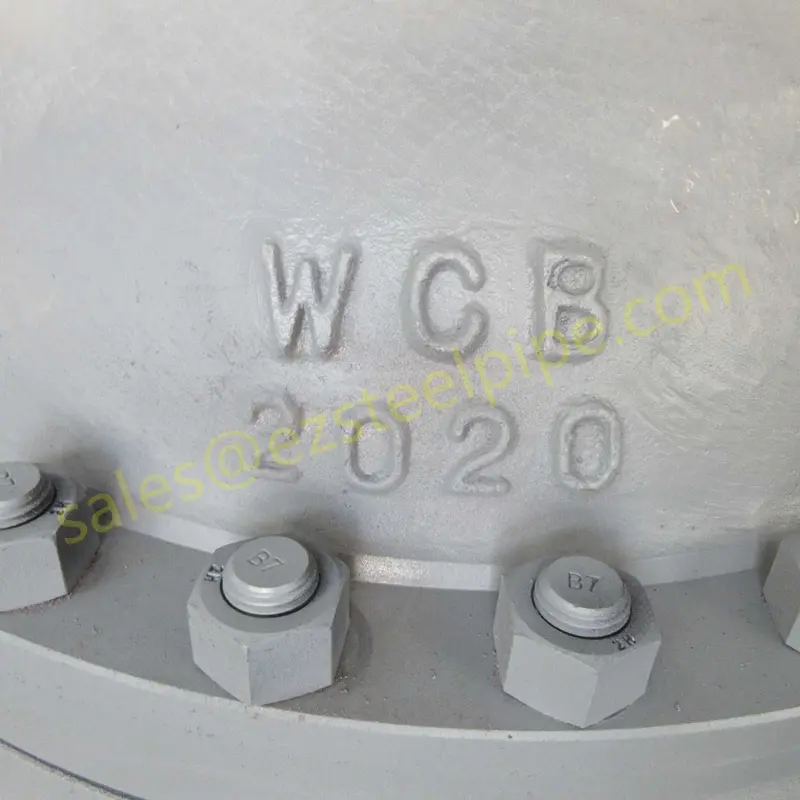
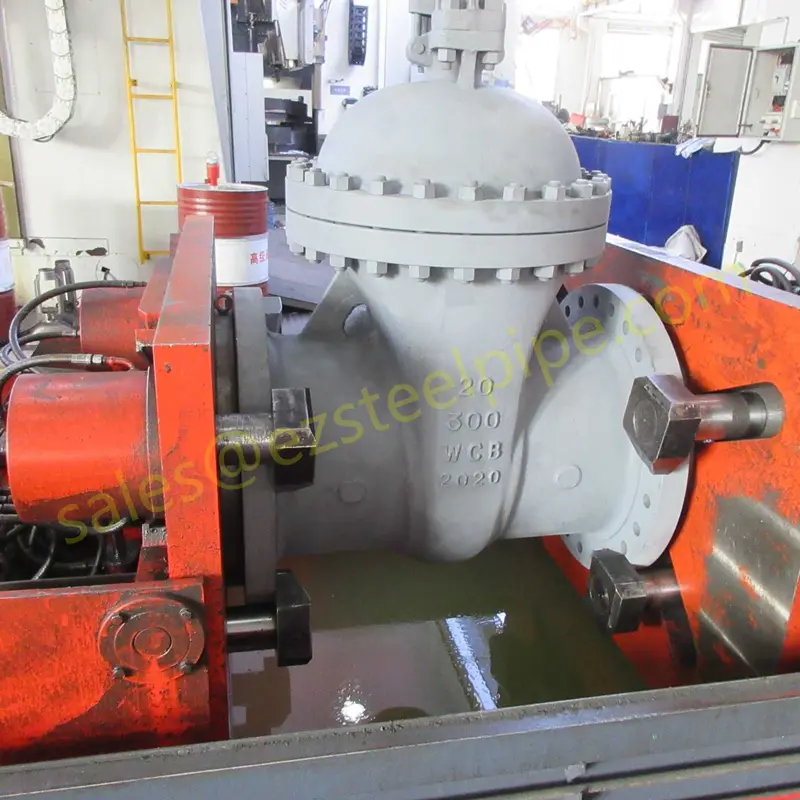
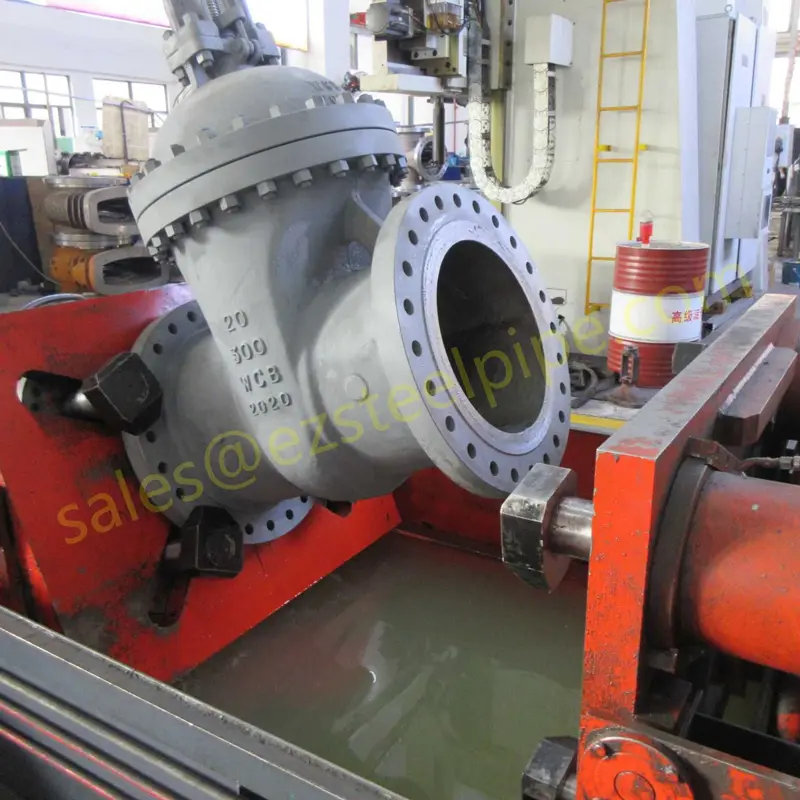
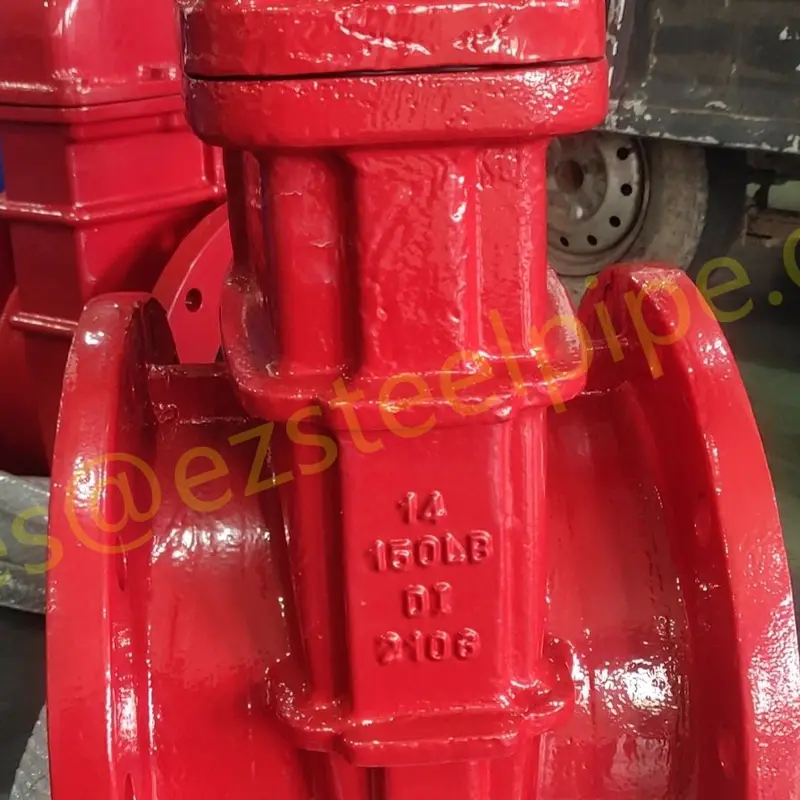
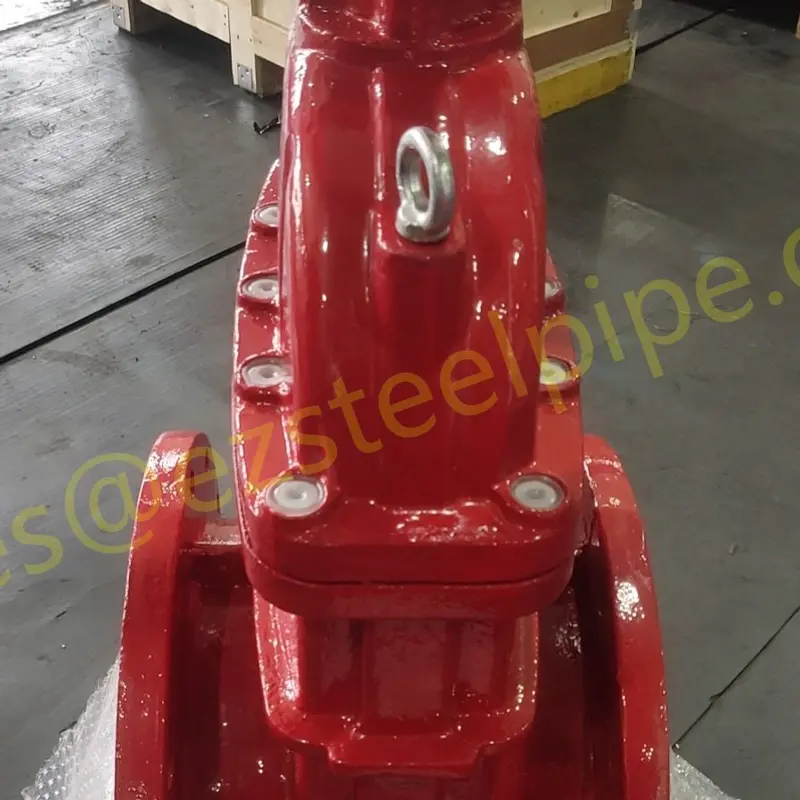
A. Gate Valve

  • Function: On/Off isolation (not for throttling).
  • Design: A sliding gate (wedge or knife) moves up/down to block flow.
  • Applications: High-pressure pipelines (ASME Class 600+), Crude oil, natural gas transmission.
  • Advantages: Low pressure drop when fully open, Bi-directional sealing.
  • Disadvantages: Slow operation, prone to erosion if partially open.

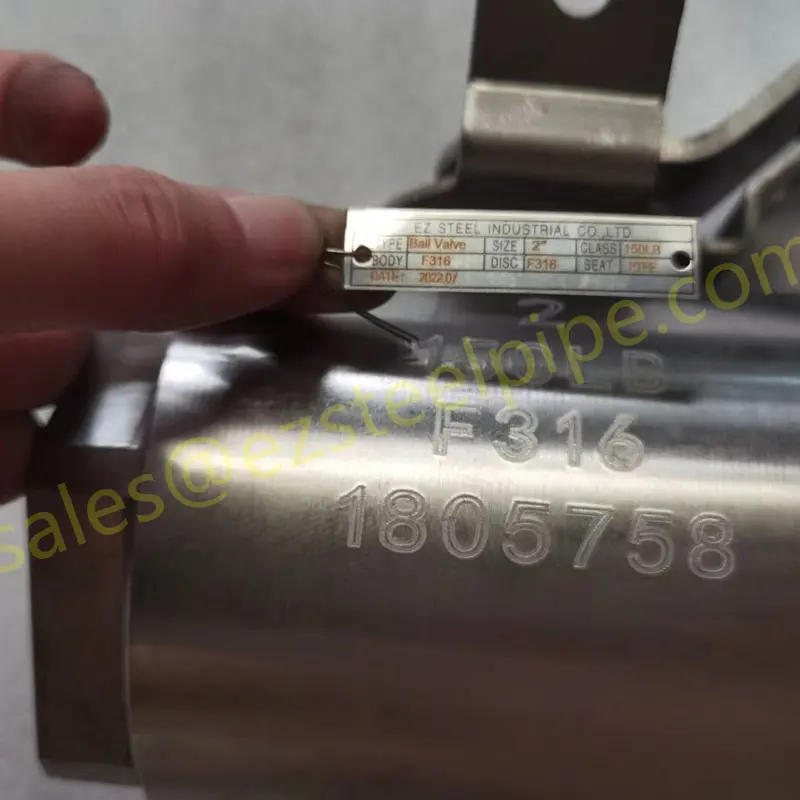
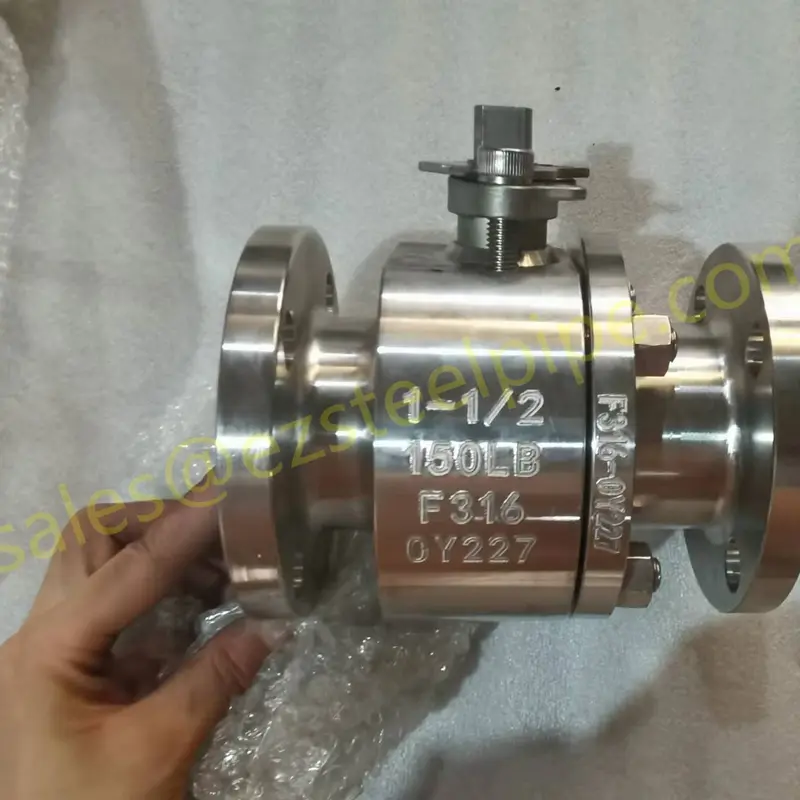
B. Ball Valve

  • Function: Quick shut-off or flow control (quarter-turn operation).
  • Design: A rotating ball with a bore aligns with the flow path.
  • Types: Floating Ball Valve (Low/medium pressure), Trunnion-Mounted Ball Valve (High-pressure API 6D).
  • Applications: Pipeline isolation, pigging stations, LNG, sour gas.
  • Advantages: Fast operation, tight sealing, low maintenance.

C. Globe Valve

  • Function: Throttling and flow regulation.
  • Design: A plug (disc) moves perpendicular to flow.
  • Applications: Pressure control, metering stations, cooling water systems.
  • Advantages: Precise flow control, good shut-off capability.
  • Disadvantages: High pressure drop, heavier weight.

D. Check Valve (Non-Return Valve - NRV)

  • Function: Prevents backflow.
  • Types: Swing Check, Lift Check, Dual Plate Check Valve.
  • Applications: Pump discharge, compressor stations, subsea pipelines.
  • Advantages: No manual operation needed, protects equipment.

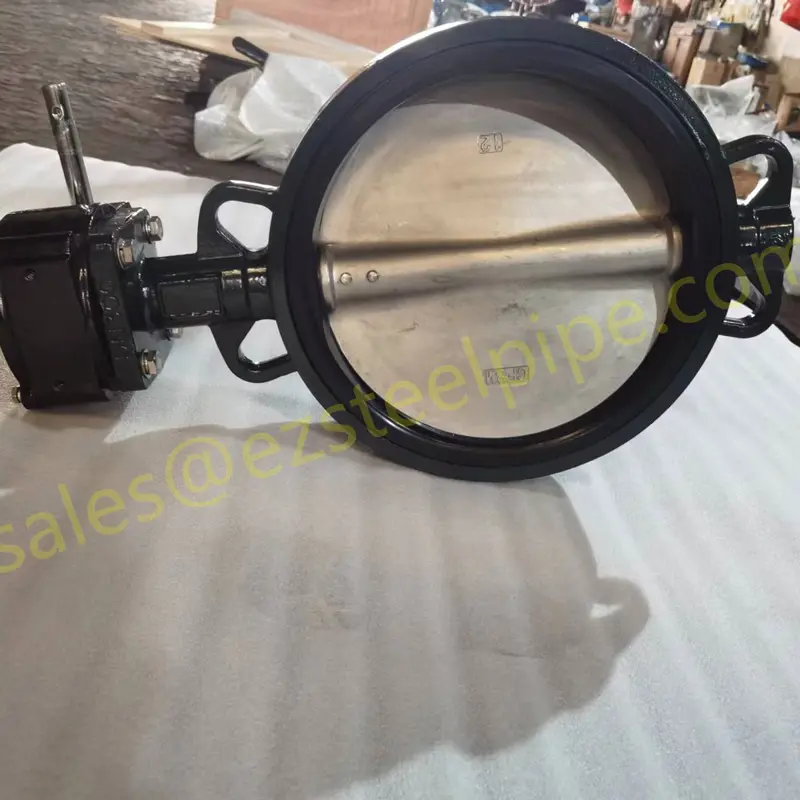
E. Butterfly Valve

  • Function: On/Off or throttling in large pipelines.
  • Design: A rotating disc controls flow (lightweight, compact).
  • Applications: Low-pressure gas, water pipelines, fire protection.
  • Advantages: Low cost, easy installation, quick operation.

F. Plug Valve

  • Function: On/Off or diverting flow.
  • Applications: Slurry, corrosive fluids, wellhead control.
  • Advantages: Minimal leakage, multi-port options.

G. Pressure Relief Valve (PRV) / Safety Valve

  • Function: Protects pipelines from overpressure.
  • Types: Spring-loaded PRV, Pilot-operated PRV.
  • Applications: Storage tanks, boilers, compressor stations.

International Standards for Valve Manufacturing

Valves in oil & gas must meet strict standards for safety and performance:

  • API (American Petroleum Institute): API 6D (Pipeline), API 600 (Gate), API 598 (Testing), API 6A (Wellhead).
  • ASME (American Society of Mechanical Engineers): B16.34 (Pressure ratings), B16.10 (Dimensions).
  • ISO: ISO 14313 (Pipeline valves), ISO 10434 (Gate valves).
  • NACE: MR0175/MR0103 (Corrosion resistance for sour H₂S service).
  • EN (European Norms): EN 593 (Butterfly), EN 12516 (Shell design).

Material Selection for Valves

Material Application Limitations
Carbon Steel General service (WCB, LCB) Not for corrosive fluids
Stainless Steel Corrosive, high-temp (CF8M, 316) Expensive
Duplex Steel Offshore, sour gas (UNS S31803) High cost
Alloy 20 Acidic environments (Carpenter 20) Limited availability
Titanium Seawater, chlorides Very high cost

Industrial Valve Quality Control Tests

1. Standard Pressure Tests

  • Shell Test Checks body/bonnet structural integrity at 1.5x rated pressure.
  • Seat Test Ensures zero leakage across the sealing surface.
  • Backseat Test Verifies stem sealing when valve is fully open.

2. Performance Tests

  • Cryogenic Test: For LNG valves at -196°C.
  • Fire Test (API 607): Integrity during 1,400°F flame exposure.
  • Fugitive Emissions: Checks VOC leakage from stem seals (ISO 15848).

3. Non-Destructive Testing (NDT)

  • Dye Penetrant (PT) & Magnetic Particle (MT) for surface cracks.
  • Ultrasonic (UT) & Radiographic (RT) for internal flaws.
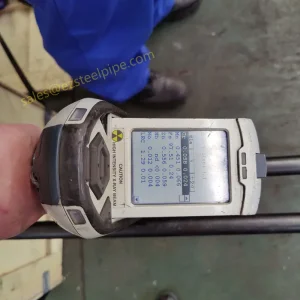
  • Hardness Testing (Brinell/Rockwell) for strength validation.
Industrial-Valves-01
Industrial-Valves-02
Industrial-Valves-03
Product-Description

Frequently Asked Questions

What is the difference between a Gate Valve and a Ball Valve?
Gate valves use a sliding plate for on/off isolation and are slower to operate, while ball valves use a rotating sphere for quick quarter-turn shut-off.
Which valve is best for flow regulation (throttling)?
Globe valves are the preferred choice for throttling and precise flow control due to their perpendicular disc design.
What does API 6D compliance mean?
API 6D is the international standard for pipeline valves, covering the design, manufacturing, and testing of gate, ball, and check valves used in petroleum and natural gas industries.
Why is NACE MR0175 important for material selection?
It specifies materials resistant to sulfide stress cracking, making them essential for valves used in "sour" environments containing hydrogen sulfide (H₂S).
How is a valve "Fire Safe" certified?
Valves are tested under API 607 or API 6FA standards, where they are exposed to high-temperature flames to ensure they maintain a seal even if soft components melt.
What is the purpose of a Shell Test?
A shell test pressurizes the valve body and bonnet (usually at 1.5x the working pressure) to check for structural defects, porosity, or leaks in the material itself.

Related Products