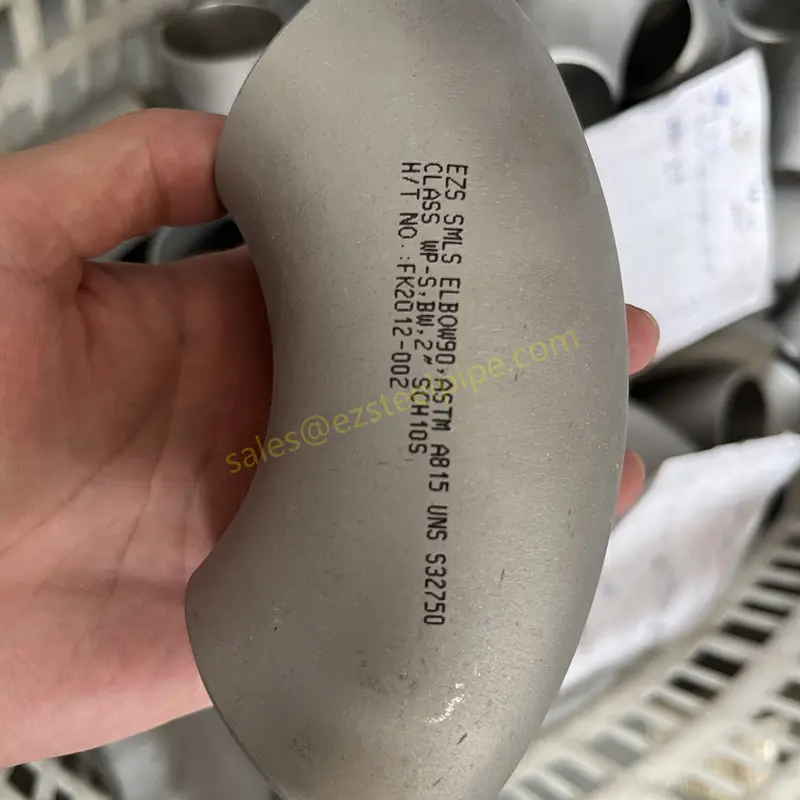
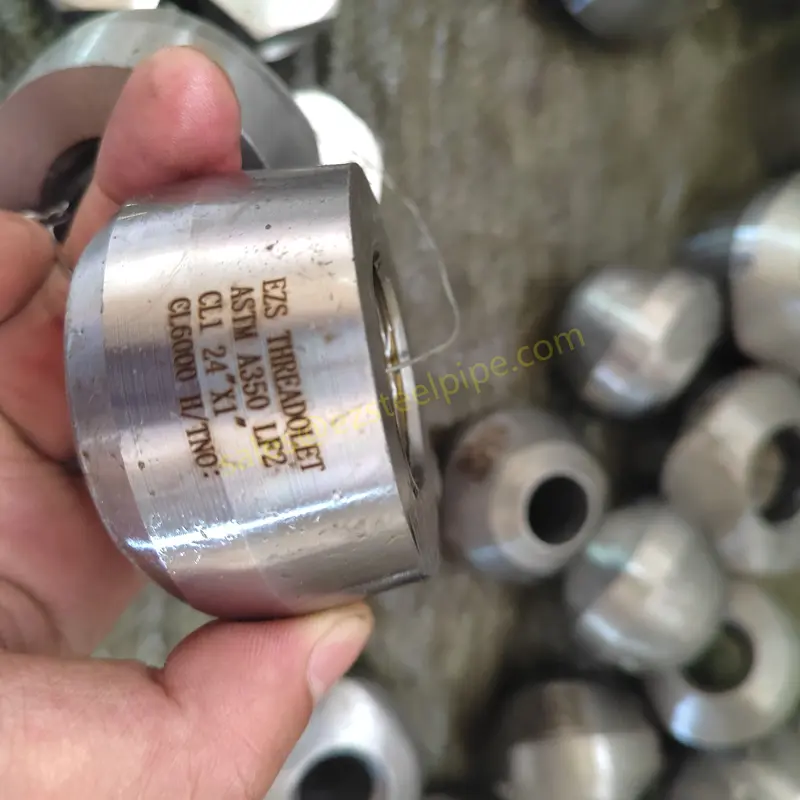
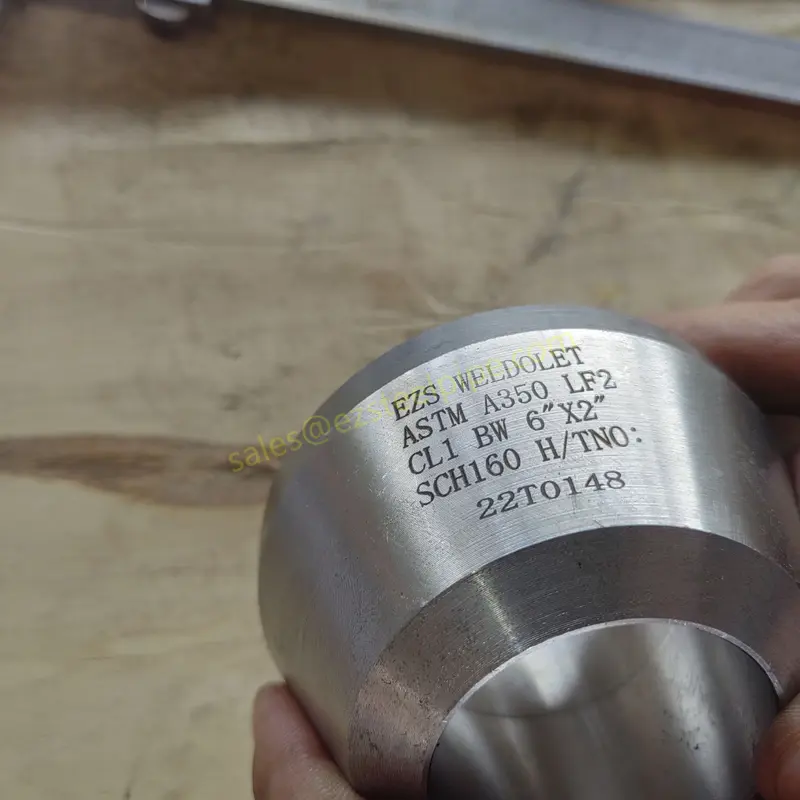
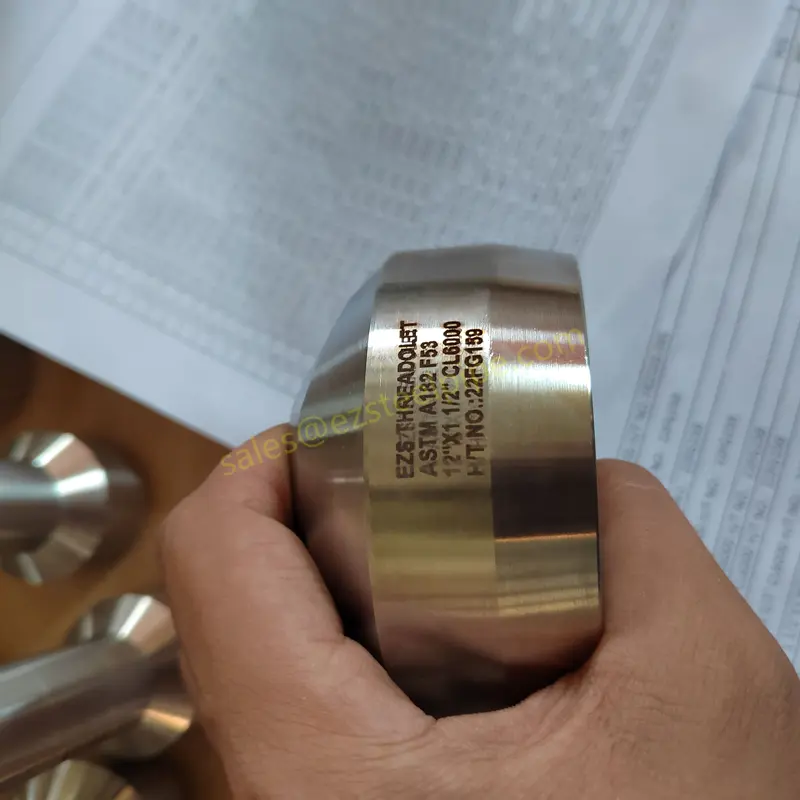
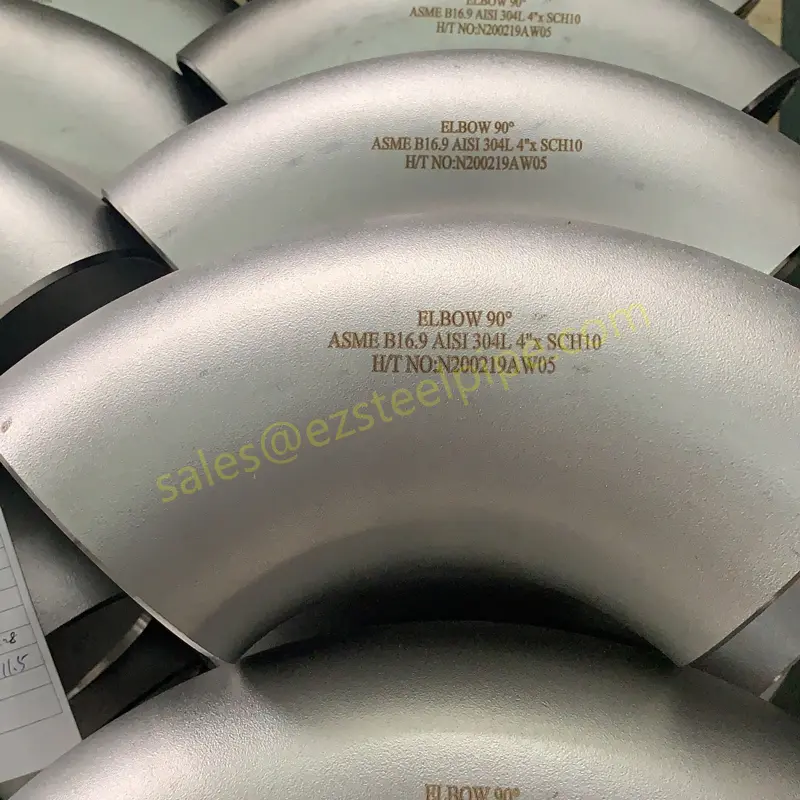
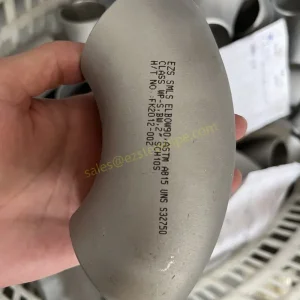
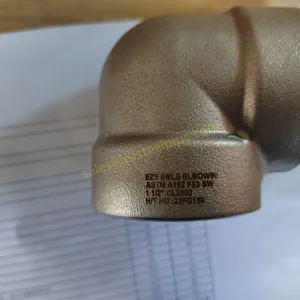
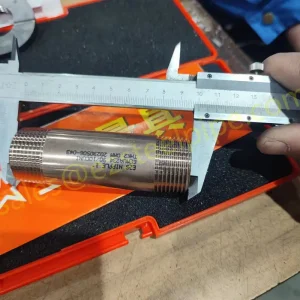
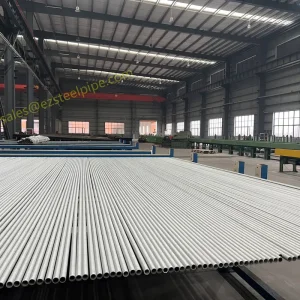
- Purpose: Changes the direction of flow in a piping system.
- Types:
- 90° Elbow: Changes direction by 90 degrees.
- 45° Elbow: Changes direction by 45 degrees.
- 180° Elbow (Return Bend): Reverses flow direction completely.
- Materials: Carbon steel, stainless steel, alloy steel, duplex steel, etc.
- Ends: Beveled ends for welding.
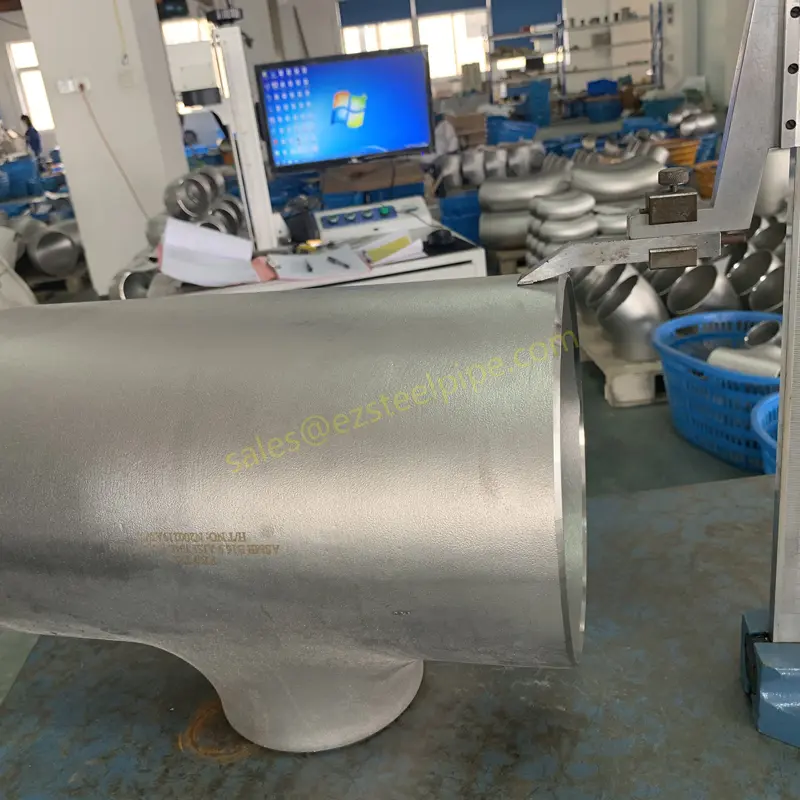
- Purpose: Combines or splits fluid flow in a piping system.
- Types:
- Equal Tee: All three ends are the same size.
- Reducing Tee: One branch is smaller than the main run.
- Applications: Used in pipelines where flow diversion is needed.
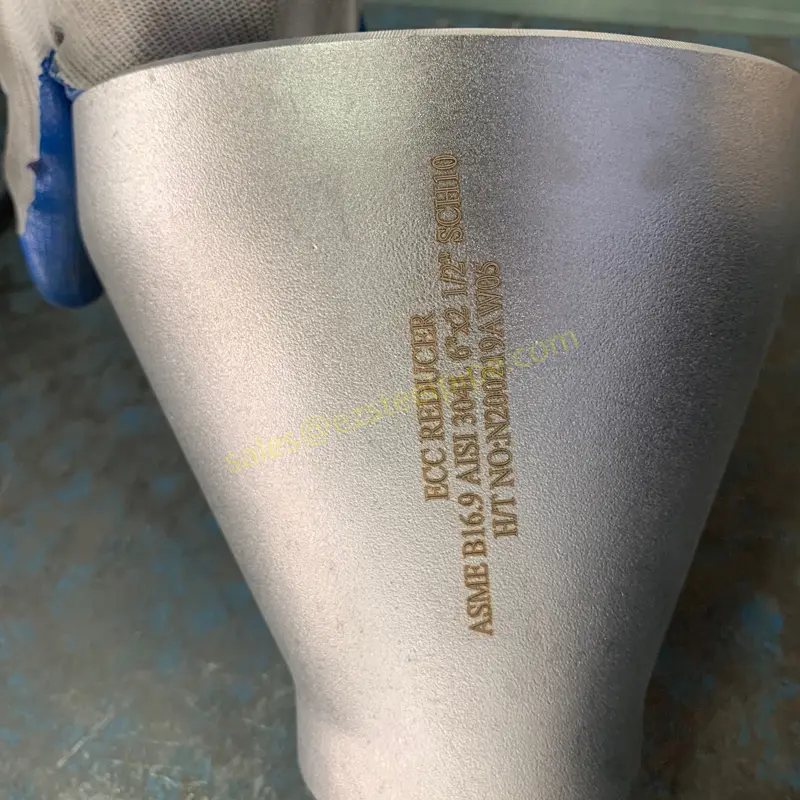
- Purpose: Connects pipes of different diameters.
- Types:
- Concentric Reducer: Aligns the centerlines of both pipes (used in vertical lines).
- Eccentric Reducer: Offsets one side (used to avoid air pockets in horizontal lines).
- Applications: Pump inlets, pipe size transitions.
- Purpose: Seals the end of a pipe, terminating flow.
- Features: Hemispherical or flat design. Used for pressure testing or future expansion.
5
Butt-Welding Stub End (Lap Joint Stub End)
- Purpose: Used with lap joint flanges for easy disassembly.
- Features: One end is beveled for welding to the pipe, the other has a flared face to match the lap joint flange.
- Common in systems requiring frequent maintenance.
- Purpose: Allows flow in four directions (rarely used due to high stress).
- Applications: Specialized industrial piping systems.
7
Butt-Welding Union (Limited Use)
- Purpose: Connects pipes but is less common due to welding requirements.
- Alternative: Flanged connections are preferred for disassembly.
Advantages of Butt-Welding Fittings
- High Strength & Leak-proof: No weak points like threads.
- Smooth Flow: No internal obstructions.
- Suitable for High-Pressure/Temperature: Ideal for oil & gas, chemical plants, power plants.
- Long Service Life: Less prone to corrosion at joints.
Standards & Specifications
- ASME B16.9 (Factory-made wrought butt-welding fittings).
- ASME B16.28 (Wrought steel butt-welding short radius elbows).
- MSS SP-43 (Lightweight stainless steel fittings).
- ASTM/ANSI/API Standards (Material-specific requirements).
Common Materials
- Carbon Steel (ASTM A234 WPB)
- Stainless Steel (ASTM A403 WP304/316)
- Alloy Steel (ASTM A234 WP5/WP9/WP11)
- Duplex & Super Duplex (ASTM A790/A928)
Applications
- Oil & Gas Pipelines
- Chemical & Petrochemical Plants
- Power Generation (Steam & Water Lines)
- Shipbuilding & Offshore Platforms
- HVAC & Water Treatment Systems
Butt-welding fittings are preferred in critical applications due to their reliability and structural integrity. Proper welding techniques (e.g., TIG, MIG, or SMAW) and post-weld heat treatment (PWHT) ensure optimal performance. Butt-welding (BW) pipe fittings must adhere to strict international standards to ensure quality and dimensional consistency.
Detailed Standards Guide
1. ASME Standards:
- ASME B16.9: Covers factory-made wrought carbon/alloy steel butt-welding fittings.
- ASME B16.25: Standardizes welding end preparations (bevel design).
- ASME B16.28: Covers short-radius elbows for tight spaces.
2. MSS Standards:
- MSS SP-43: Lightweight stainless steel butt-welding fittings.
- MSS SP-75: High-strength wrought fittings for high-pressure.
3. ASTM Material Standards:
- ASTM A234: Carbon/alloy steel pipe fittings.
- ASTM A403: Stainless steel fittings (WP/CR).
- ASTM A420: Low-temperature carbon steel fittings.
| Feature |
ASME B16.9 |
EN 10253 |
| Scope |
Factory-made fittings |
Carbon/stainless steel |
| Pressure |
Class 150-2500 |
PN2.5-PN100 |
| Materials |
ASTM A234/A403 |
P235GH, 316L, etc. |
| Testing |
Hydrostatic optional |
Mandatory for EN 10253-2/4 |
Frequently Asked Questions (FAQ)
Q1: What is the main benefit of using butt-welding fittings?
The main benefit is a permanent, leak-proof, and strong connection that provides a smooth flow inside the pipeline, making it ideal for high-pressure and high-temperature systems.
Q2: When should I use a concentric vs. an eccentric reducer?
Concentric reducers are used in vertical pipelines to keep the centers aligned. Eccentric reducers are used in horizontal pipelines to prevent the accumulation of air or vapor pockets.
Q3: What are the most common materials for butt-welding fittings?
The most common materials include Carbon Steel (ASTM A234 WPB), Stainless Steel (ASTM A403 304/316), and Alloy Steel for specific temperature or corrosion resistance requirements.
Q4: What is the significance of ASME B16.9?
ASME B16.9 is the primary international standard for factory-made wrought butt-welding fittings, specifying dimensions, tolerances, and pressure ratings.
Q5: Can butt-welding fittings be used in low-temperature services?
Yes, but they must be made from specific materials like ASTM A420 (such as WPL6), which are tested for impact resistance at low temperatures.
Q6: How do beveled ends help in the welding process?
Beveled ends (standardized by ASME B16.25) allow for full-penetration welding, ensuring the joint is as strong as the pipe itself.
 EZ STEEL