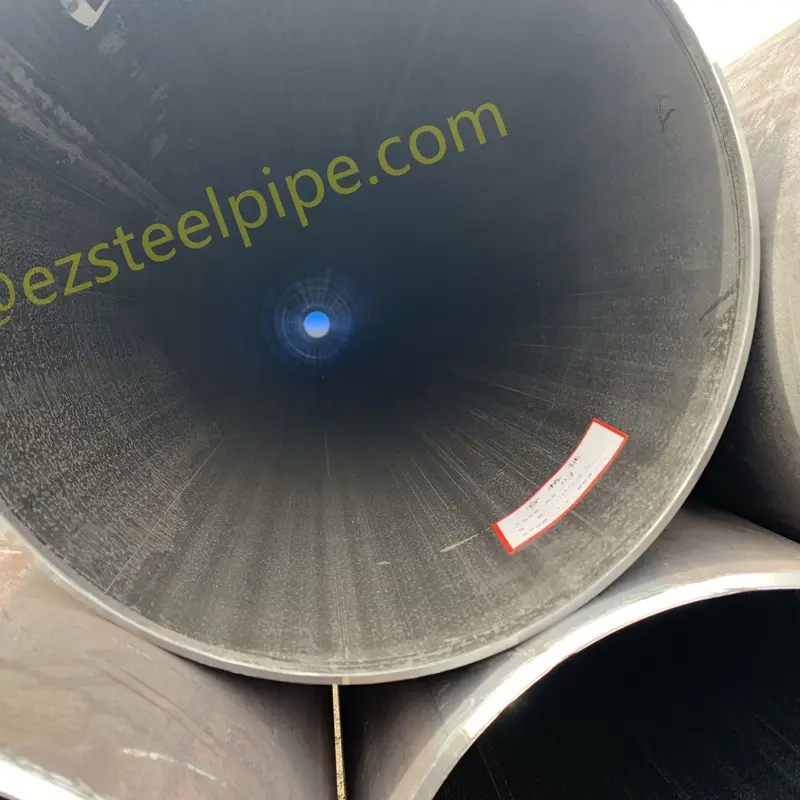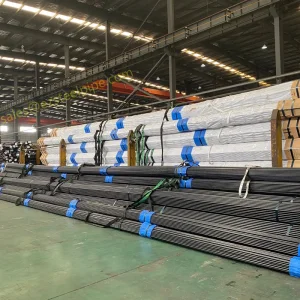
China ASTM A106/A106M Standard Specification for Seamless Carbon Steel Pipe for High-Temperature Service Manufacturers, Factory

Scope:  
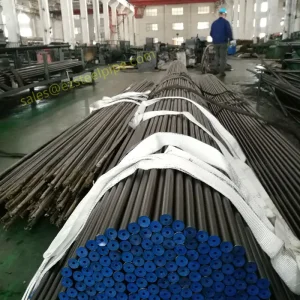
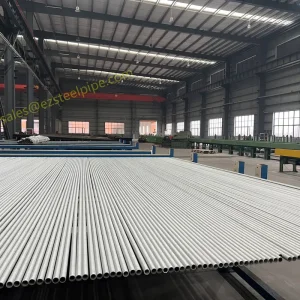
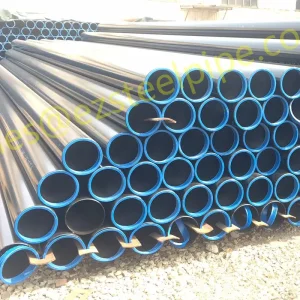
This standard covers seamless carbon steel pipe for high-temperature service (e.g., in power plants, refineries, and pipelines) in NPS 1/8 to NPS 48 (DN 6 to DN 1200). It includes three grades (A, B, C) with increasing tensile strength.

Product Description

Ordering Information

Purchasers must specify the following requirements to ensure accurate processing:

Quantity (Total length or number of pipes).
Pipe dimensions (NPS, schedule, or wall thickness).
Grade (Grade A, Grade B, or Grade C).
End finish (plain, beveled, or threaded).
Heat analysis requirements (if supplementary requirements apply).
Test reports (certification to EN 10204 or equivalent).
Special requirements (e.g., hydrostatic testing, non-destructive examination).
Steel Grades and Chemical Composition
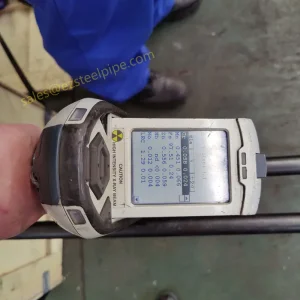
Grade C (max) Mn P (max) S (max) Si
Grade A 0.25% 0.27–0.93% 0.035% 0.035% ≥0.10%
Grade B 0.30% 0.29–1.06% 0.035% 0.035% ≥0.10%
Grade C 0.35% 0.29–1.06% 0.035% 0.035% ≥0.10%
Mechanical Properties:
Grade A: Tensile strength ≥48 ksi (330 MPa), yield strength ≥30 ksi (205 MPa).
Grade B: Tensile strength ≥60 ksi (415 MPa), yield strength ≥35 ksi (240 MPa).
Grade C: Tensile strength ≥70 ksi (485 MPa), yield strength ≥40 ksi (275 MPa).
Inspection & Testing Requirements
Hydrostatic Testing: Each pipe must withstand a pressure calculated by a specified formula unless replaced by non-destructive testing.
Non-Destructive Examination (NDE): Optional methods like ultrasonic or eddy current if agreed upon by the purchaser.
Tensile and Bend Tests: One test per lot (maximum 500 pipes) or per heat.
Flattening Test: Required for pipes larger than NPS 4 with wall thickness less than 3/16 inch.
Certification: Mill test reports must be provided in compliance with the standard requirements.
Other Key Requirements
Manufacturing Process: Pipes are produced using the seamless hot-working method; welding is not permitted.
Heat Treatment: All cold-drawn pipes must undergo stress-relieving or annealing processes.
Dimensions and Tolerances: Adheres to ASME B36.10M (imperial units) or B36.19M (metric units).
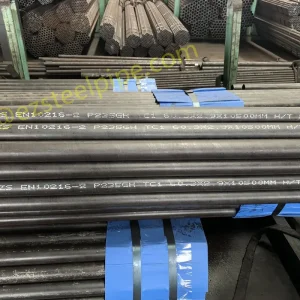
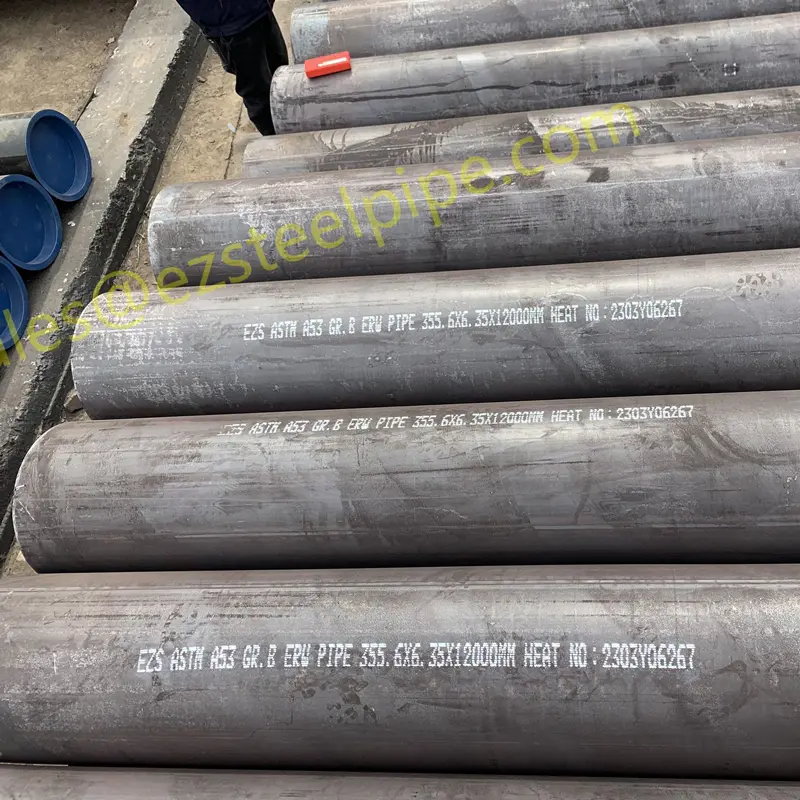
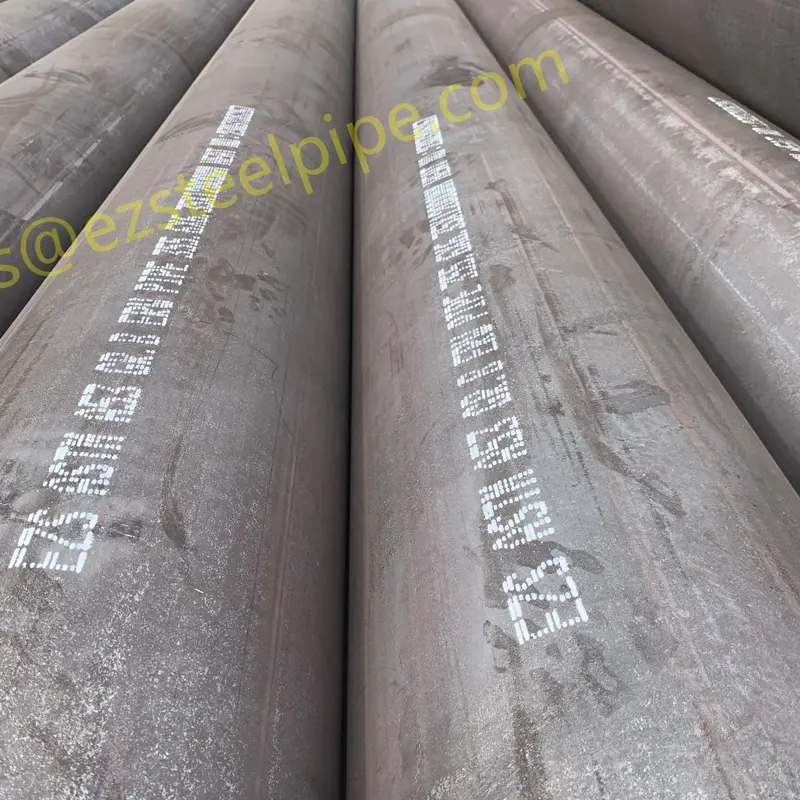
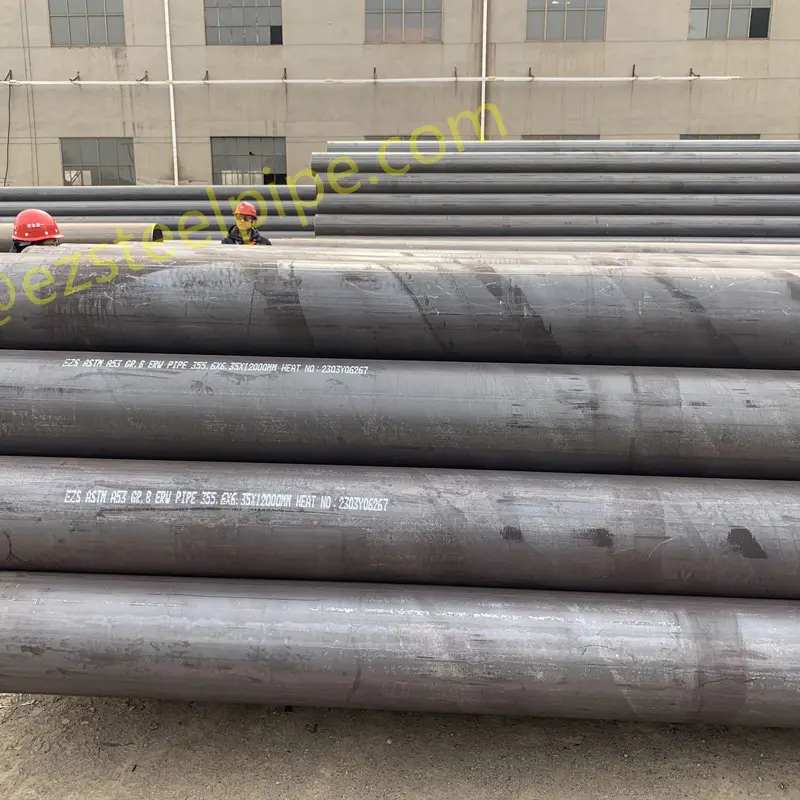
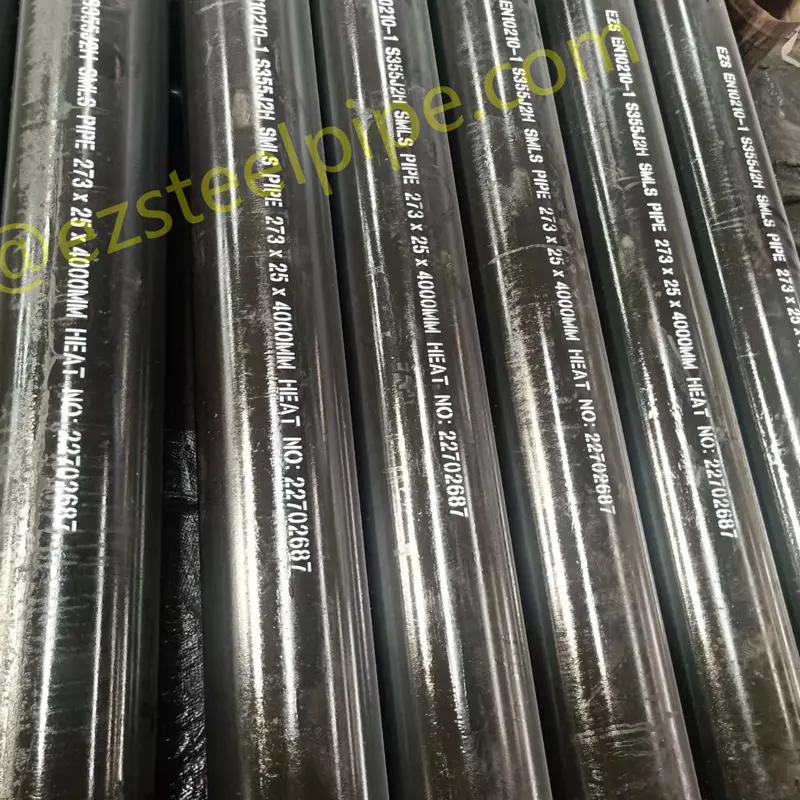
Marking: Every pipe must clearly display the grade, size, heat number, and the standard specification number.
Supplementary Requirements (Optional)

S1–S6: Includes additional specialized tests such as impact testing and macro-etch examination, available upon specific request.
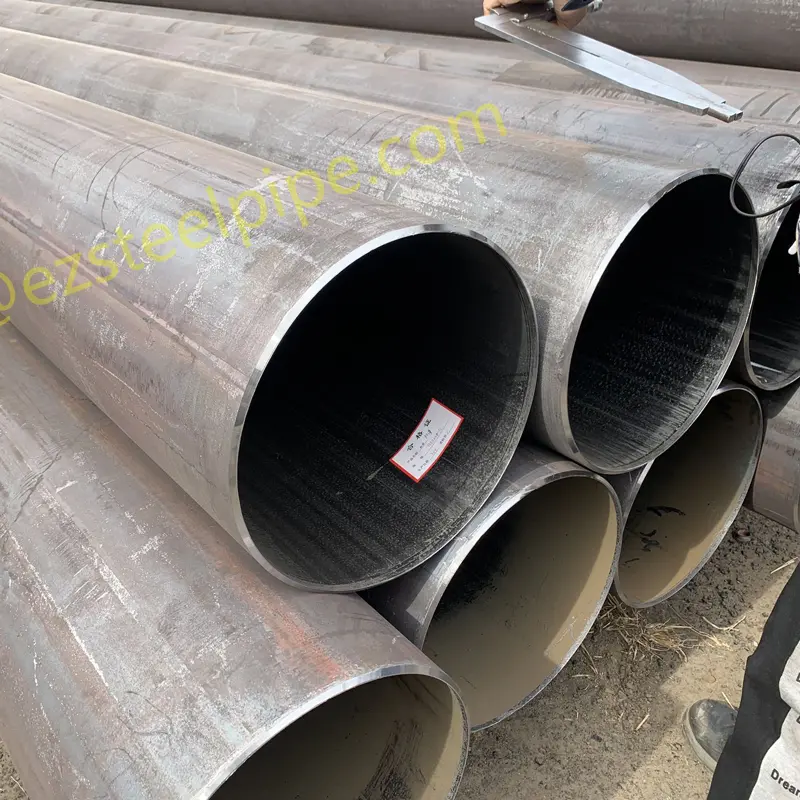
API Specification 5L for Line Pipe 4
API Specification 5L for Line Pipe 5
API Specification 5L for Line Pipe 6
product description
Frequently Asked Questions
What are the primary differences between Grades A, B, and C?
The main differences lie in the carbon content and mechanical strength. Grade C offers the highest tensile and yield strength, followed by Grade B and then Grade A.
Is hydrostatic testing mandatory for all pipes?
Yes, each pipe must undergo hydrostatic testing. However, it may be replaced by non-destructive examination (NDE) methods if agreed upon between the buyer and the manufacturer.
Which standards govern the dimensions and tolerances of these pipes?
Dimensions and tolerances are governed by ASME B36.10M for imperial measurements and ASME B36.19M for metric measurements.
Can these pipes be produced using welding?
No, according to the standard specifications, these pipes must be manufactured using a seamless hot-working process. Welding is not permitted.
What information is included in the marking of each pipe?
Each pipe must be marked with the manufacturer's name, the specific steel grade, the pipe size, the heat number, and the standard reference number.
Are there options for impact testing?
Yes, impact testing is available as part of the Supplementary Requirements (S1-S6) which can be added to the order if specific performance criteria are needed.

Related Products