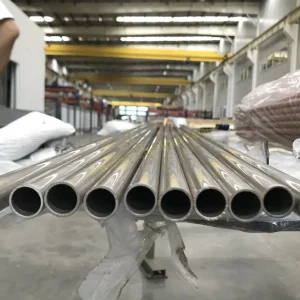
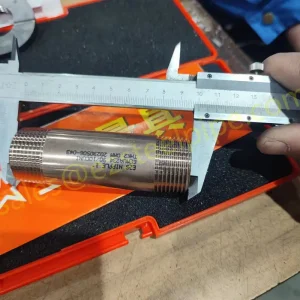
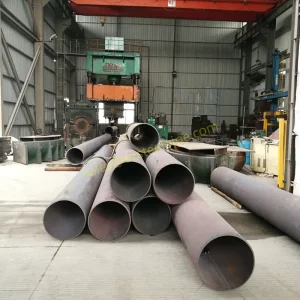
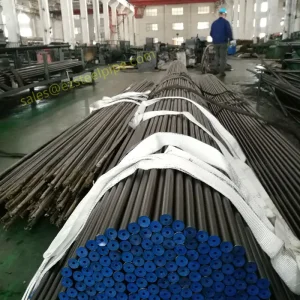
High-Quality Carbon Steel, Stainless Steel and Carbon Alloy Steel Flanges Manufacturers, Suppliers

Pipe flanges are critical components used to connect pipes, valves, pumps, and other equipment in piping systems. They are available in various materials, including carbon steel, stainless steel, and alloy steel, each offering distinct properties for different applications. Below is an introduction to these flange types, including their size ranges, manufacturing standards, and key features.

Product Description

Carbon Steel Flanges
Material Grades
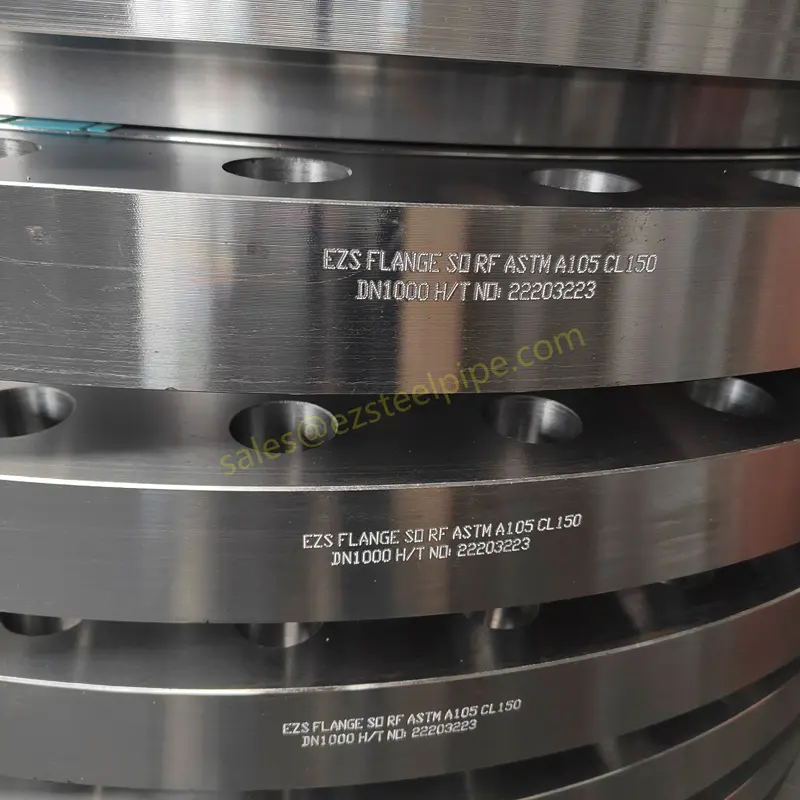
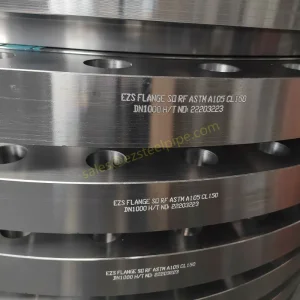
- ASTM A105 (Forged carbon steel for high-temperature service)
- ASTM A350 LF1/LF2/LF3 (Low-temperature carbon steel)
- ASTM A694 F42-F80 (High-yield carbon steel for pipeline applications)
Size & Ratings
- Diameter: ½" to 60" (or larger for custom orders)
- Pressure Ratings: Class 150 to Class 2500 (ASME B16.5), PN 2.5 to PN 400 (EN 1092-1)
Key Standards
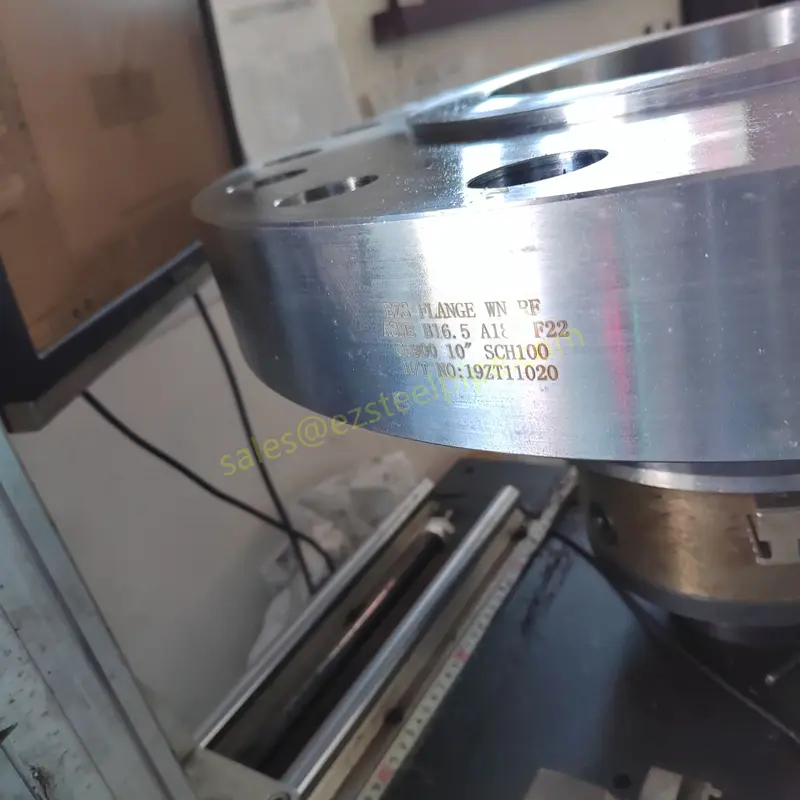
- ASME B16.5 / B16.47 Series A & B
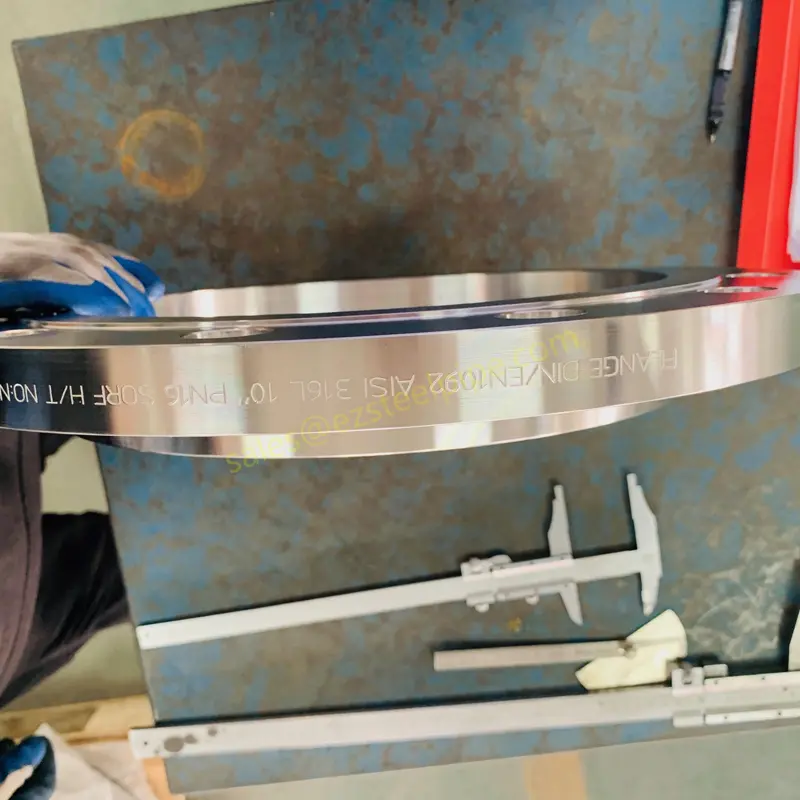
- EN 1092-1 / MSS SP-44
Applications
- Oil & gas pipelines, Petrochemical plants, Power generation
Stainless Steel Flanges
Material Grades
- Austenitic: ASTM A182 F304/304L, F316/316L, F321
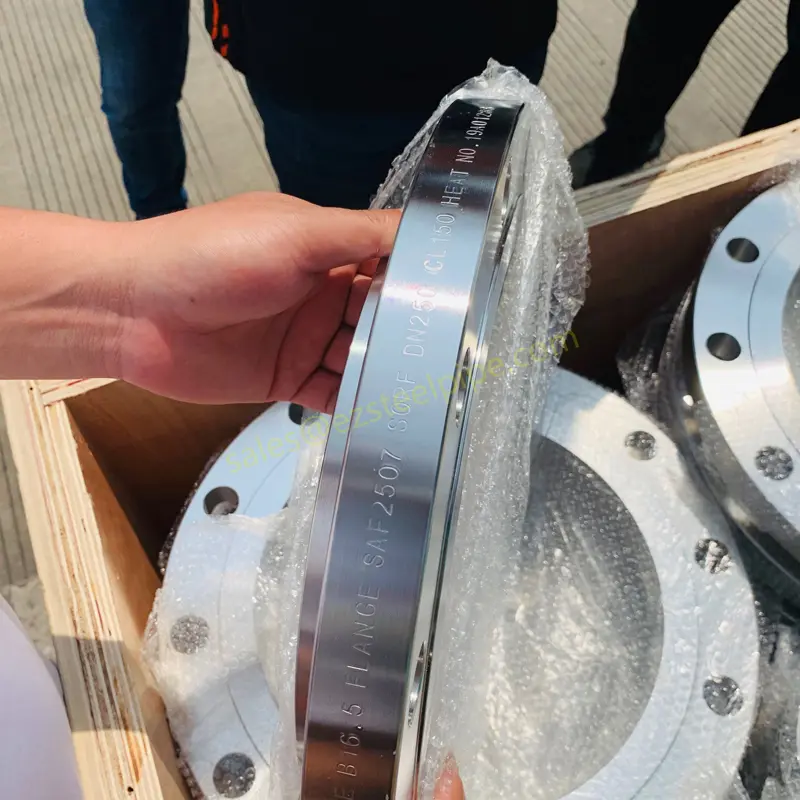
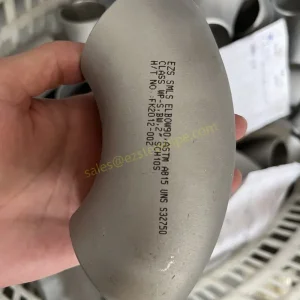
- Duplex/Super Duplex: ASTM A182 F51 (2205), F53 (2507)
- Martensitic: ASTM A182 F6a (410)
Size & Ratings
- Diameter: ½" to 48" (standard)
- Pressure Ratings: Class 150 to Class 2500, PN 6 to PN 100
Key Standards
- ASME B16.5 / B16.47, EN 1092-1, API 6A
Applications
- Chemical processing, Food & Pharm, Marine environments
Alloy Steel Flanges
Material Grades
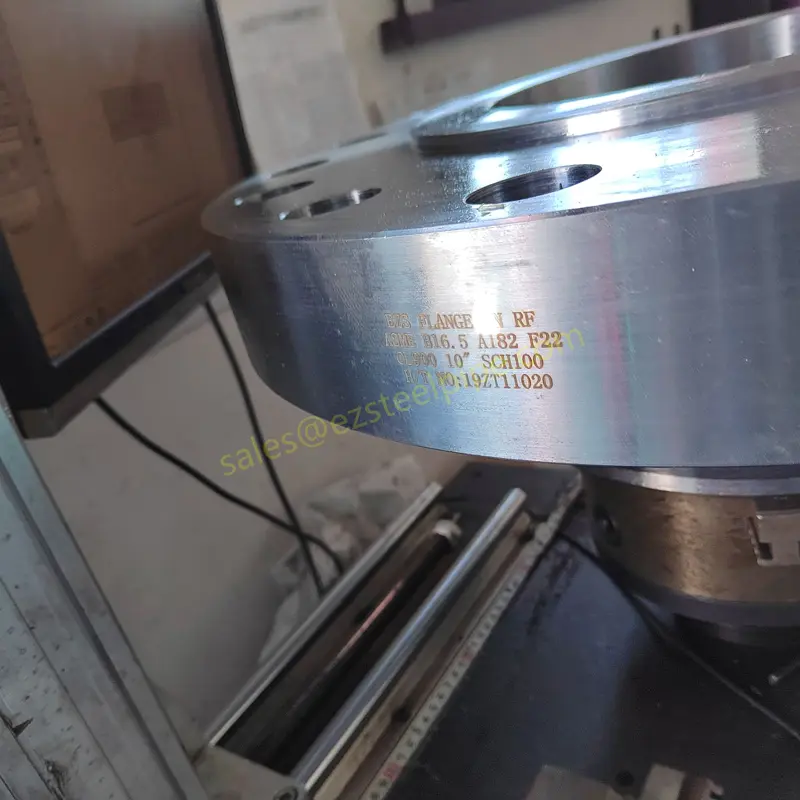
- Cr-Mo: ASTM A182 F11, F22, F91
- Nickel Alloys: ASTM B564 (Inconel 625, Monel 400, Hastelloy C276)
- Low-Temp Alloys: ASTM A522 (Cryogenic)
Key Standards
- ASME B16.5 / B16.47, ASTM A182, NACE MR0175
Manufacturing Processes
Forging: High strength, preferred for critical applications.
Casting: Economical for large sizes but less robust than forged.
Plate Cutting: Used for slip-on, blind, and spectacle blinds.
Common Flange Types
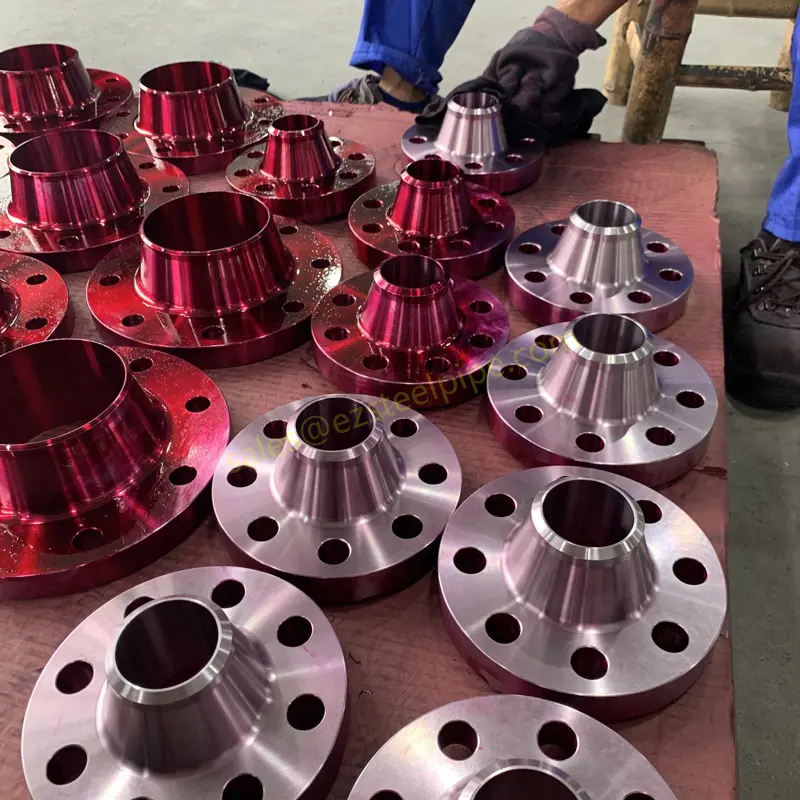
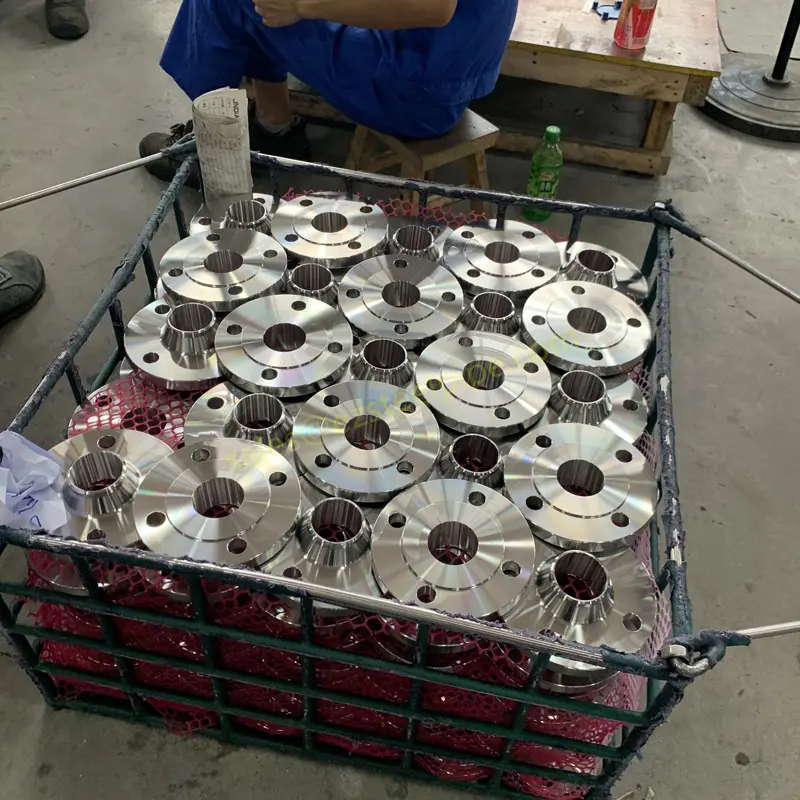
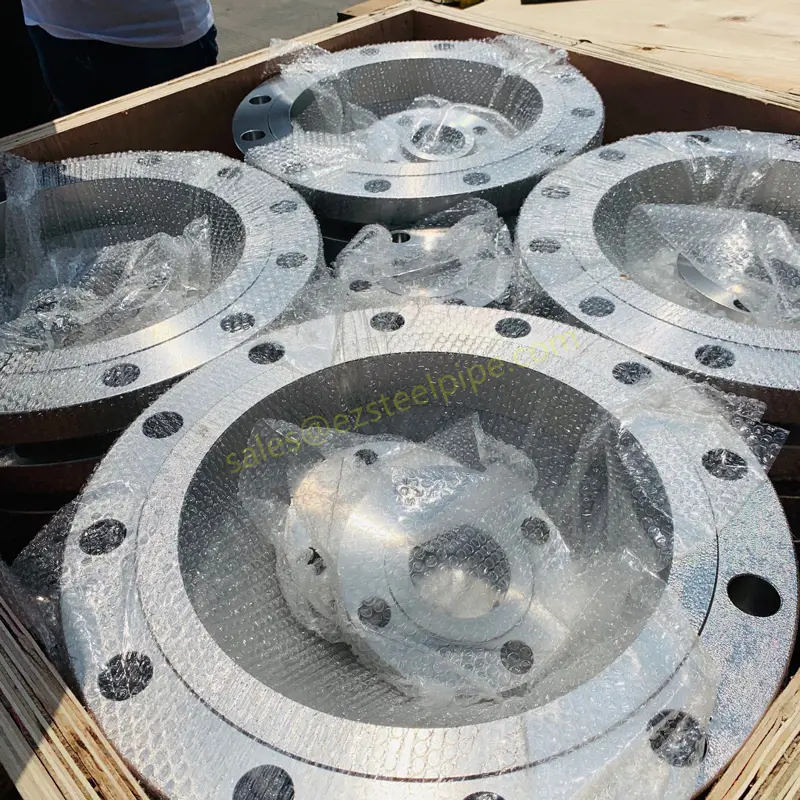
- Weld Neck (WN), Slip-On (SO), Blind (BL), Socket Weld (SW), Lap Joint (LJ)
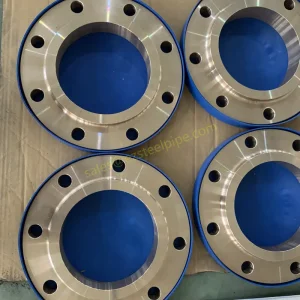
Carbon Steel and Alloy Steel Flanges
Industrial Stainless Steel Flanges
Flange Manufacturing Process
Flange Product Description
Frequently Asked Questions
Q1: What are the main materials used for industrial flanges?
A: Industrial flanges are primarily manufactured from Carbon Steel (ASTM A105, A350), Stainless Steel (304, 316L, Duplex), and Alloy Steel (Cr-Mo and Nickel Alloys) depending on the environment and temperature requirements.
Q2: Which flange type is best for high-pressure systems?
A: The Weld Neck (WN) flange is the preferred choice for high-pressure and critical systems due to its high integrity and stress distribution properties.
Q3: What pressure ratings do you provide?
A: Our flanges follow international standards including ASME Class 150 to Class 2500 and European EN 1092-1 ratings from PN 2.5 to PN 400.
Q4: Are your flanges compliant with NACE standards?
A: Yes, we provide Alloy Steel flanges that meet NACE MR0175 requirements for sour service in oil and gas applications.
Q5: What is the difference between forged and cast flanges?
A: Forged flanges (ASTM A105/A182) offer superior mechanical properties and strength compared to cast flanges, making them more suitable for high-temperature and high-pressure services.
Q6: Do you offer large diameter flanges?
A: Yes, we provide standard sizes up to 24" (ASME B16.5) and large-diameter flanges up to 60" and above following ASME B16.47 Series A & B.

Related Products