EZ STEEL
1 / 5
| Feature | Copper Alloy Flanges | Nickel Alloy Flanges |
|---|---|---|
| Corrosion Resistance | Excellent in freshwater, seawater (Cu-Ni) | Superior in acids, chlorides, H₂S |
| Temperature Range | -50°C to 200°C (limited for pure Cu) | -200°C to 1000°C (Inconel/Hastelloy) |
| Cost | Moderate (cheaper than nickel alloys) | Expensive (high nickel content) |
| Common Standards | ASME B16.24, EN 1254 | ASME B16.5, ASTM B564 |
| Primary Industries | Marine, HVAC, food processing | Oil & gas, chemical, aerospace |
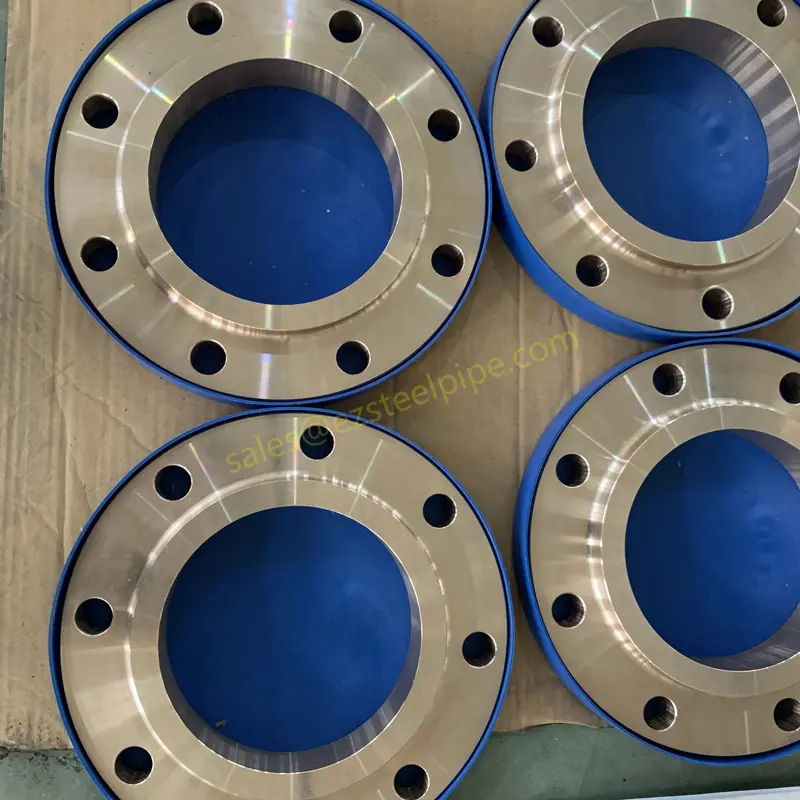
Copper flanges are ideal for marine, HVAC, and low-pressure corrosive environments. Nickel alloy flanges excel in extreme conditions (high temp, acids, sour gas). Both are manufactured under ASME, ASTM, and EN standards, with nickel alloys often requiring NACE compliance for oilfield use.
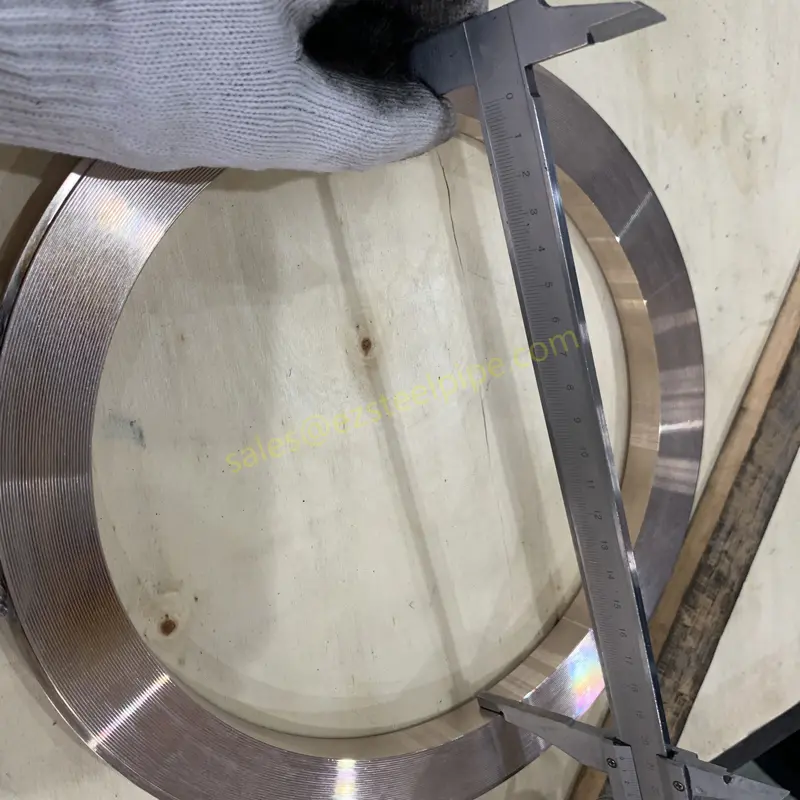
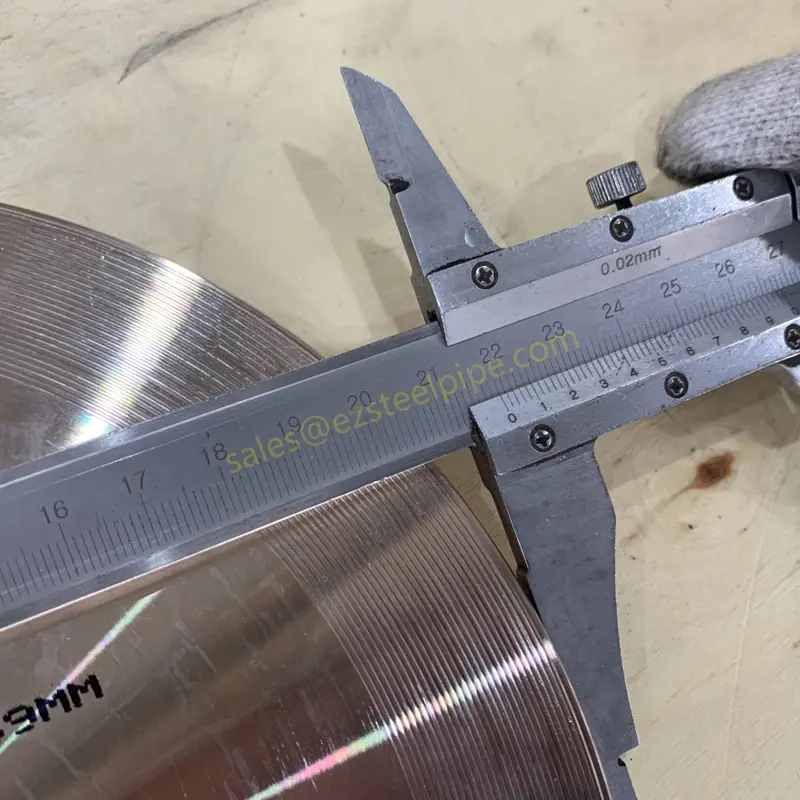
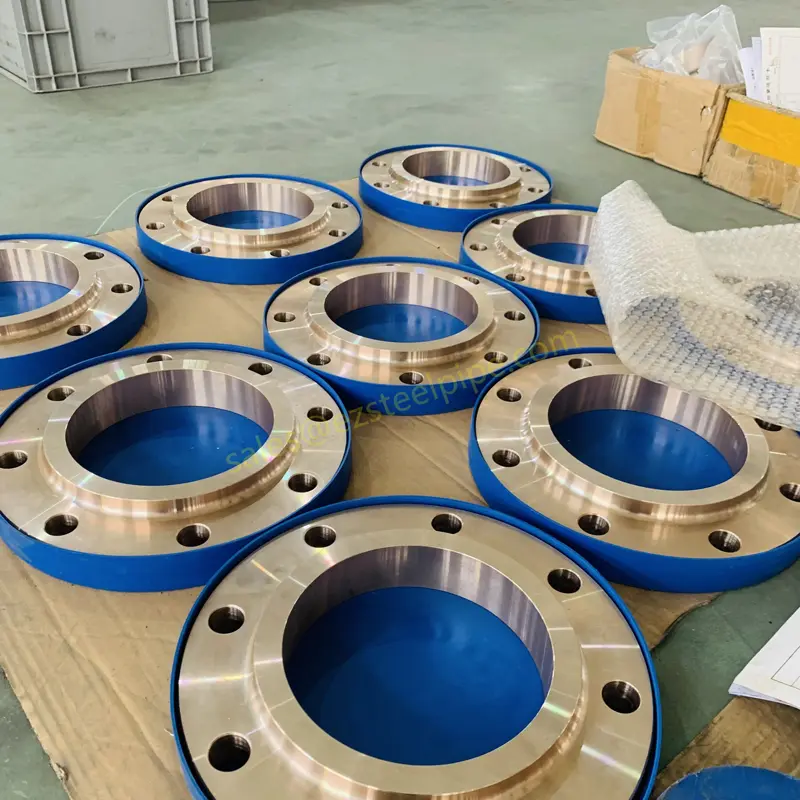

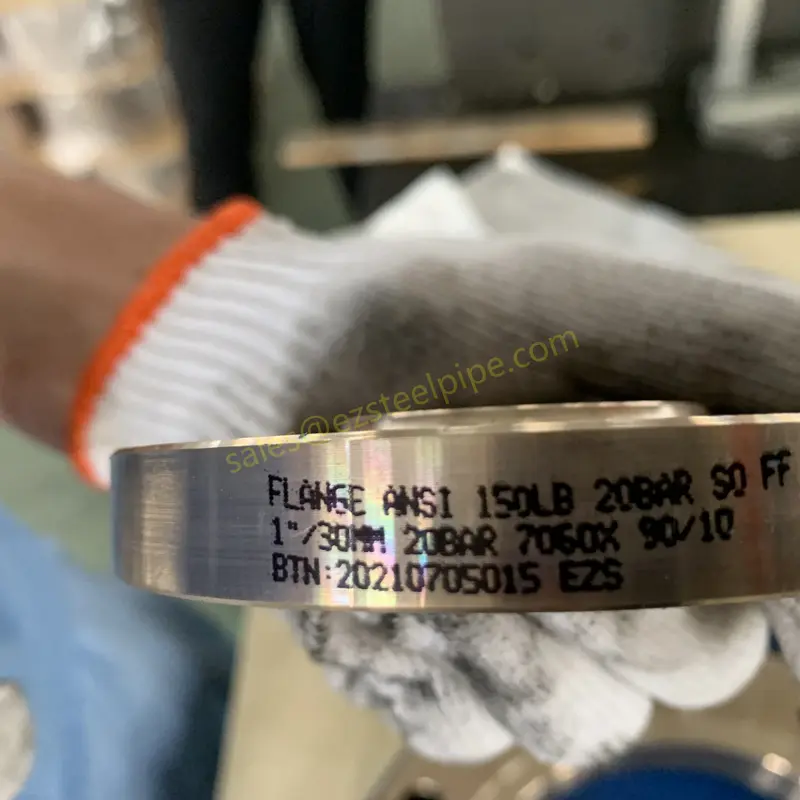
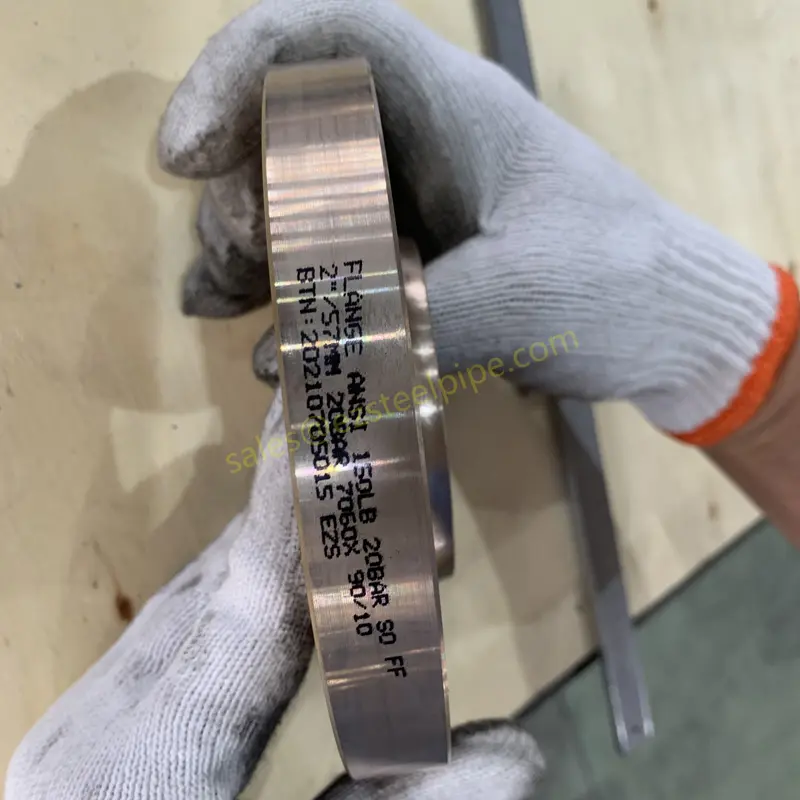
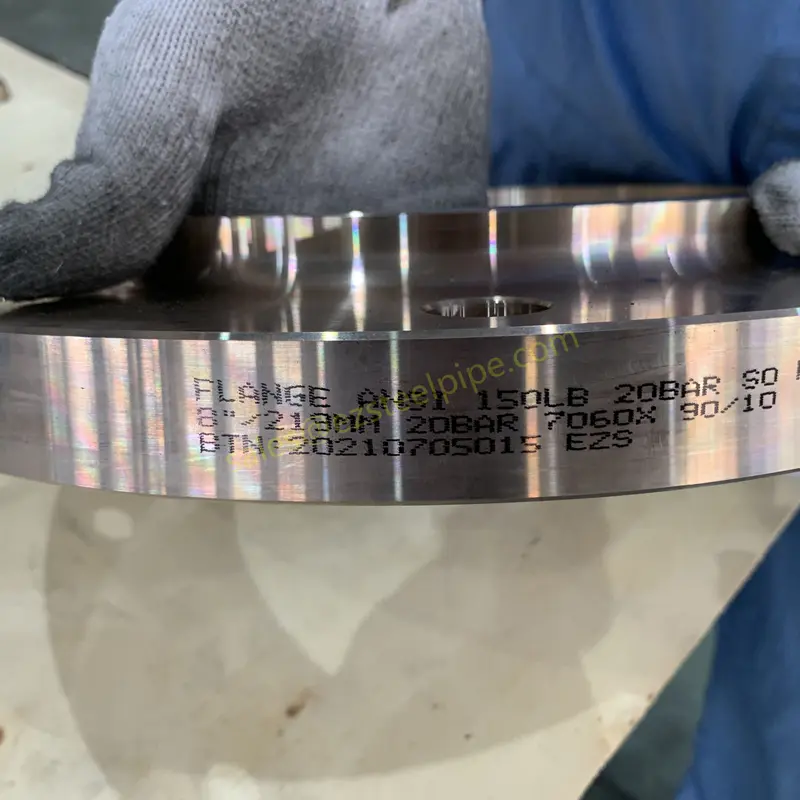
A: Copper-Nickel (Cu-Ni) flanges, especially 90/10 and 70/30 grades, provide superior resistance to seawater corrosion and biofouling, making them essential for shipbuilding and desalination plants.
A: Nickel alloy flanges (like Inconel or Hastelloy) should be used in extreme conditions involving high temperatures (up to 1000°C), highly acidic environments, or sour gas applications where standard alloys would fail.
A: ASME B16.24 standards typically cover pressure ratings from Class 150 to Class 600 for cast and malleable copper alloy flanges.
A: Yes, nickel alloy flanges intended for oil and gas "sour service" are manufactured to meet NACE MR0175/ISO 15156 standards to resist sulfide stress cracking.
A: While standard sizes range up to 24" for copper and 48" for nickel, larger custom diameters and specific pressure ratings can be fabricated based on engineering requirements.
A: Inconel 718 and other Nickel-Chromium alloys are preferred for aerospace due to their exceptional high-temperature stability and mechanical strength.