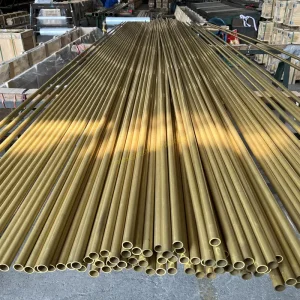
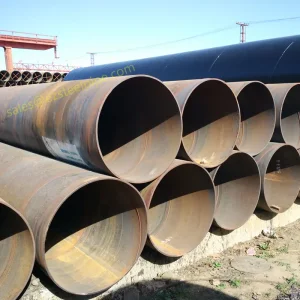
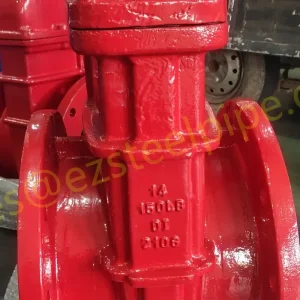
The global industrial infrastructure relies heavily on the standards set by ASTM International. As a premier ASTM pipe material manufacturer, we recognize that these standards are not merely guidelines but the backbone of safety, reliability, and interoperability in mission-critical environments. From the ultra-deepwater oil rigs in the Gulf of Mexico to the high-temperature power plants in Central Europe, ASTM-certified pipes ensure that fluid and gas transportation systems can withstand extreme pressures and corrosive elements.
In today's commercial environment, the demand for ASTM pipe materials has transcended traditional carbon steel. There is a surging requirement for Corrosion-Resistant Alloys (CRA), nickel-based superalloys, and copper-nickel pipes. As manufacturers, we have witnessed a shift toward "zero-failure" tolerance in sectors like nuclear power generation and aerospace, where ASTM B163 or ASTM B167 specifications are mandatory for heat exchangers and high-pressure steam lines.
Countries Served
ASTM Standards Met
Annual Tons Exported
Technical Support
The industry is moving toward Smart Piping Systems and Green Manufacturing. As a leading manufacturer, we are integrating digital twins and IoT sensors into our large-scale industrial pipes to monitor structural integrity in real-time. Furthermore, the global push for Hydrogen energy has created a new niche for ASTM pipes capable of handling high-pressure hydrogen without embrittlement.
Sustainability is another major driver. We are optimizing our smelting processes to reduce carbon footprints, ensuring that the ASTM A335 and ASTM B619 pipes we produce are not only durable but also environmentally responsible. Global procurement teams are now prioritizing suppliers who can provide full material traceability and LCA (Life Cycle Assessment) reports.
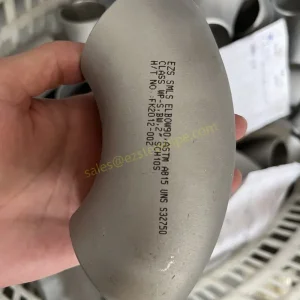
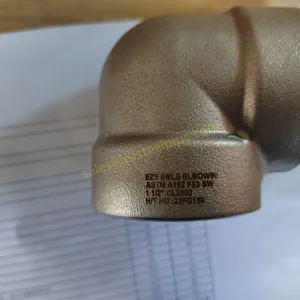
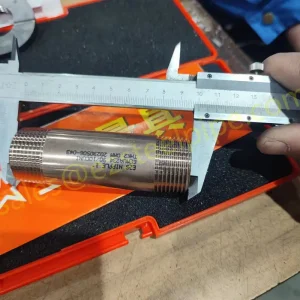
Below is one of our high-demand products specifically designed for corrosive chemical processing environments:
Global procurement teams from different regions face unique challenges. For instance, projects in the Middle East require pipes with enhanced external coatings to survive the abrasive desert sand and high-saline coastal air. In contrast, Arctic oil exploration requires pipes that maintain ductility and impact resistance at temperatures below -50°C. We solve these problems by adhering to ASTM A335 standards with additional Charpy V-Notch impact testing.
As a leading ASTM pipe material manufacturer, we offer localized application support. Whether it's the desalination plants in Saudi Arabia or the pharmaceutical labs in Germany, our team provides specific material grades like UNS N04400 (ASTM B165) to ensure long-term cost efficiency through reduced maintenance cycles.
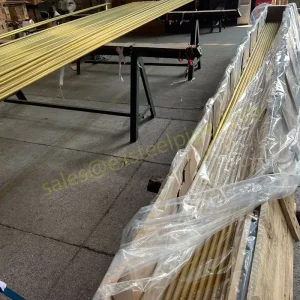
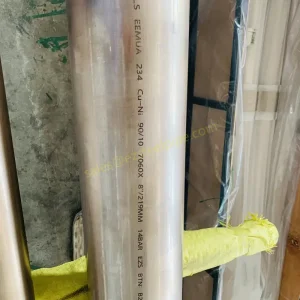
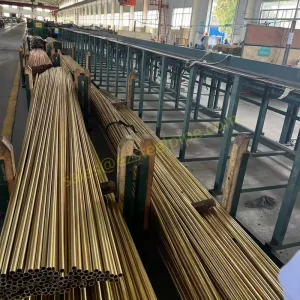
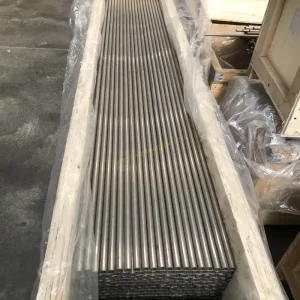
Our seamless alloy pipes are a testament to this versatility:
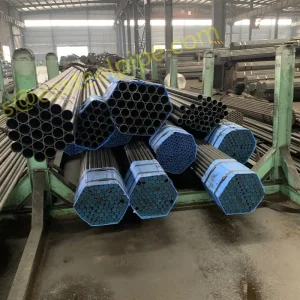
The global supply chain for industrial piping has evolved, and Chinese manufacturers are now at the forefront of both quality and scale. Our competitive edge lies in the integrated supply chain. Unlike many Western manufacturers, our proximity to raw material hubs and highly efficient logistics networks allows us to offer shorter lead times and more competitive pricing without compromising on the stringent ASTM requirements.
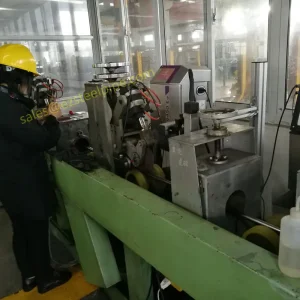
We have invested heavily in AI-driven quality inspection. Every batch of pipe leaving our factory undergoes automated ultrasonic testing and hydrostatic pressure tests. By combining traditional metallurgical expertise with modern data analytics, we provide a level of consistency that is often unmatched by smaller boutique manufacturers. Our massive inventory of standard ASTM A53 and ASTM B466 pipes ensures that we can support fast-track EPC (Engineering, Procurement, and Construction) projects globally.
Understanding the nuances of ASTM standards is crucial for engineers. For example, ASTM B163 is specialized for condenser and heat exchanger tubes. The chemistry must be meticulously controlled to prevent stress corrosion cracking (SCC) in high-chloride environments. Similarly, ASTM B407 nickel-iron-chromium alloys are designed for high-temperature service where resistance to oxidation and carburization is essential.
As a famous ASTM pipe material manufacturer, we provide comprehensive documentation including MTRs (Material Test Reports), PMI (Positive Material Identification) results, and heat treatment charts. This level of transparency is why top-tier global firms trust us for their most critical fluid handling systems.
 EZ STEEL