High-Quality A53/A53M Standard Specification for Pipe, Steel, Black and Hot-Dipped, Zinc-Coated, Welded and Seamless Supplier, Suppliers

Scope  
ASTM A53/A53M specifies requirements for welded and seamless steel pipe in three types:  
- Type F (Furnace-welded, continuous weld)  
- Type E (Electric-resistance welded, ERW)  
- Type S (Seamless)  

Pipes are used for mechanical and pressure applications (e.g., plumbing, steam, air, gas) and are suitable for welding.

Product Description

Ordering Information
  • Standard designation (A53/A53M)
  • Type (F, E, or S) and Grade (A or B)
  • Size (NPS or DN) and schedule/thickness
  • Length (random or specific)
  • End finish (plain, threaded, bevelled, etc.)
  • Coating (if required, e.g., galvanized)
  • Additional testing (e.g., hydrostatic, nondestructive examination)
Steel Grades and Chemical Composition
  • Grade A: Minimum tensile strength 330 MPa (48 ksi), yield strength 205 MPa (30 ksi).
  • Grade B: Minimum tensile strength 415 MPa (60 ksi), yield strength 240 MPa (35 ksi).
  • Carbon content: ≤0.25% (Grade B), ≤0.30% (Grade A).
Mechanical Properties
  • Tensile and yield strength: As per grade requirements.
  • Bend test: Required for Type F and E pipes < NPS 4.
  • Flattening test: For seamless and ERW pipes.
  • Hydrostatic test: Mandatory for all pipes unless replaced by nondestructive testing (NDT).
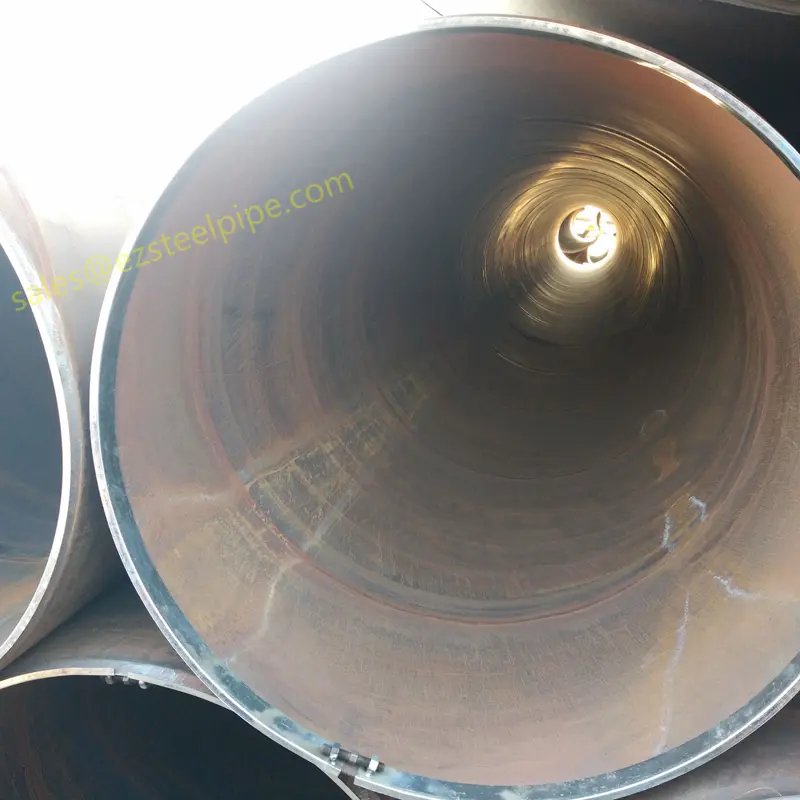
Steel Pipe Standard Spec 1
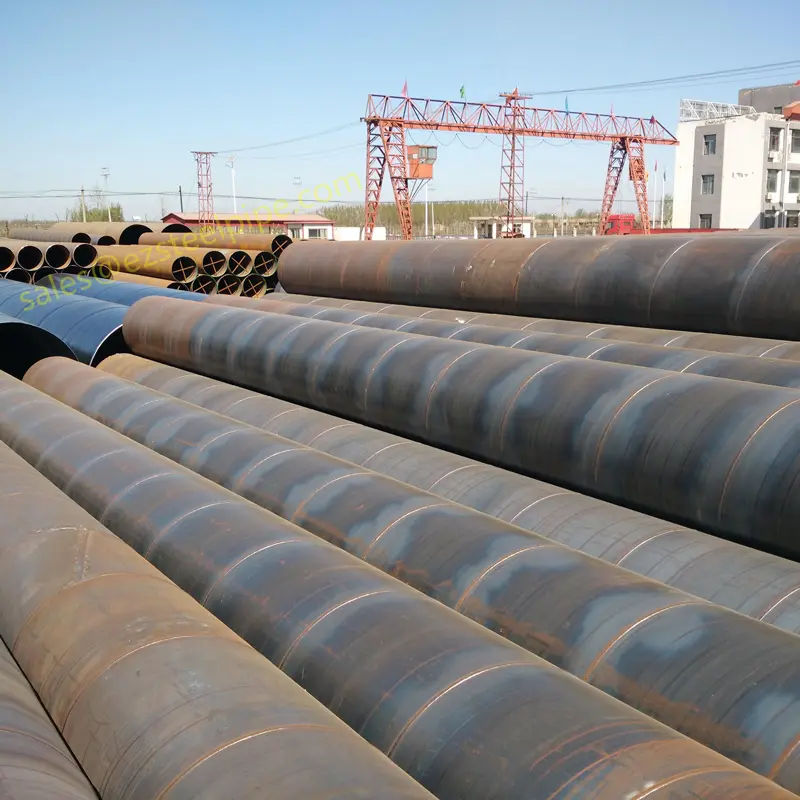
Steel Pipe Standard Spec 2
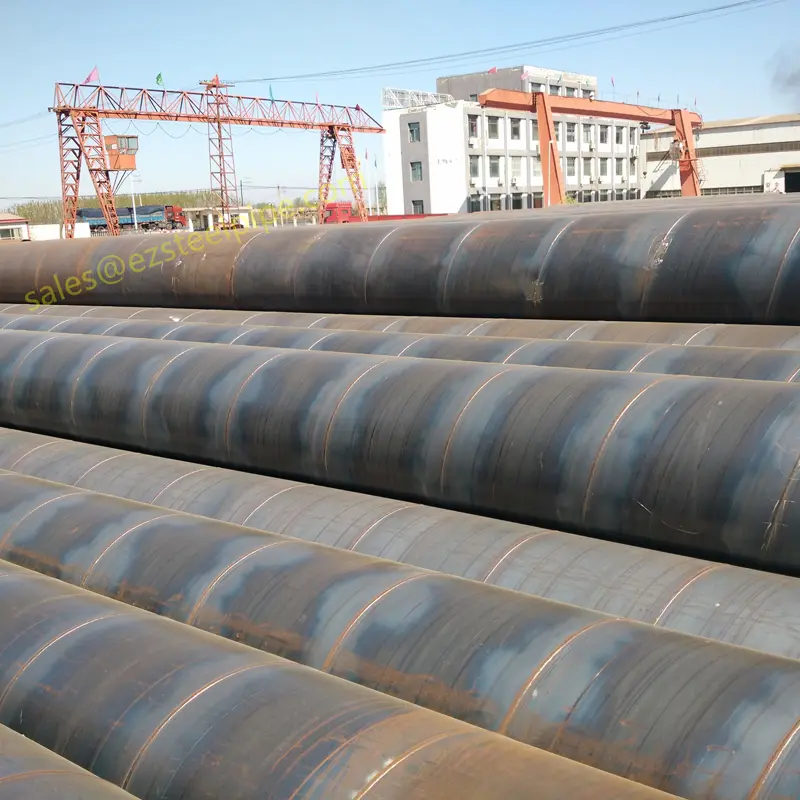
Steel Pipe Standard Spec 3
Inspection & Testing Requirements
  • Hydrostatic testing: Minimum test pressure = 2.4 MPa (350 psi) for ≤ NPS 3 or higher as specified.
  • Nondestructive testing (NDT): Permitted as an alternative to hydrostatic testing for Types E and S.
  • Visual inspection: No defects affecting performance.
  • Certification: Mill test reports (MTRs) must be provided upon request.
Coating & Marking

Coating (Optional): Galvanized pipes must comply with ASTM A53 coating weight and adhesion requirements.

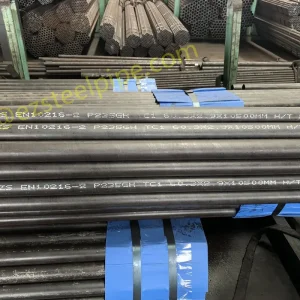
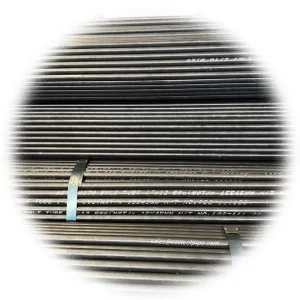
Marking Requirements: Pipes must be marked with manufacturer’s name, ASTM A53/A53M standard, type (F, E, S), grade (A/B), size, heat number, and coating designation.
Key Notes
  • Dimensional standards: Pipes conform to ASME B36.10M.
  • Threading: Must comply with ASME B1.20.1.
  • Usage: Widely used in construction, oil & gas, and low-pressure systems.
  • Critial Applications: Stricter standards (e.g., ASTM A106) may be preferred for high-temperature service.
Detailed Product View
Frequently Asked Questions (FAQ)
What is the main difference between ASTM A53 Grade A and Grade B?
Grade B has a higher tensile strength (415 MPa) and yield strength (240 MPa) compared to Grade A (330 MPa and 205 MPa respectively), making it suitable for higher pressure applications.
What do the pipe Types F, E, and S represent?
Type F refers to furnace-butt-welded pipe, Type E refers to electric-resistance-welded (ERW) pipe, and Type S refers to seamless pipe.
Is hydrostatic testing mandatory for all ASTM A53 pipes?
Yes, hydrostatic testing is generally mandatory for all pipes to ensure integrity, although it may be replaced by nondestructive testing (NDT) for Types E and S in some cases.
Can ASTM A53 pipes be used for high-temperature service?
While ASTM A53 is used in many pressure systems, for critical high-temperature services, ASTM A106 is often the preferred standard.
What information must be included in the pipe marking?
Markings must include the manufacturer’s name or trademark, the standard designation (ASTM A53), pipe type, grade, size, heat number, and coating details if applicable.
What dimensional standards do these pipes follow?
ASTM A53 pipes conform to the dimensional standards set by ASME B36.10M, which covers various sizes and schedules.

Related Products