Direct supply from state-of-the-art mills conforming strictly to ASTM, ASME, EN, GOST, and GB/T international structural protocols.
Ensuring metallurgical predictability and physical compliance in modern heavy-industry operations.
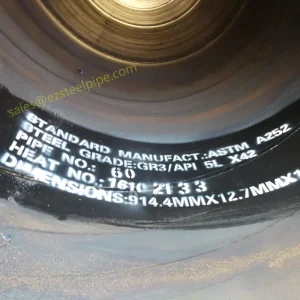
ASTM International (American Society for Testing and Materials) standards represent the global bedrock for structural design, fluid dynamic safety, and mechanical consistency in piping systems. In complex processing systems, industrial piping is subjected to extreme thermal shifts, chemically aggressive fluids, structural loads, and intense pressure drops. The systematic implementation of ASTM specifications, such as ASTM A106 for carbon steel, ASTM A335 for ferritic alloys, and ASTM B111 for copper-based heat exchangers, ensures that operations minimize fluid containment hazards and sustain system lifetime integrity.
These metallurgical codes explicitly mandate the chemical compositions, mechanical tolerances, heat treatment schedules, and mandatory non-destructive test guidelines (NDT). Understanding these specifications provides global procurement agents and engineers with the insight required to choose the optimal metal grades for specific environmental stressors, matching yield strengths and corrosion tolerances with site requirements.
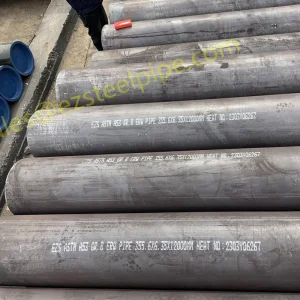
ASTM specifications establish a uniform baseline for mechanical design and global trade. By specifying precise chemical ranges for manganese, silicon, chromium, and molybdenum, ASTM standards dictate how raw steel behaves under high temperatures and pressure loads. For instance, ASTM A335 (often referred to as 'P-Grade') specifies ferritic alloy steel pipes tailored for high-temperature power plant applications. The addition of Chromium and Molybdenum boosts creep resistance and tensile strength at temperatures exceeding 500°C.
Additionally, subsea, petrochemical, and refining facilities rely heavily on specific ASTM standards like ASTM B619 for welded nickel and cobalt alloys to withstand hostile acidic or halide-rich environments. Utilizing certified pipes ensures compliance with local safety regulations and reduces insurance risk factors across multinational operations.
Combining vertically integrated manufacturing with multi-tier quality control networks since 1994.
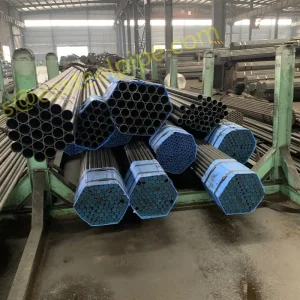
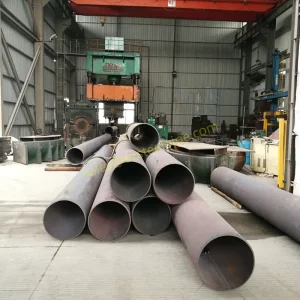
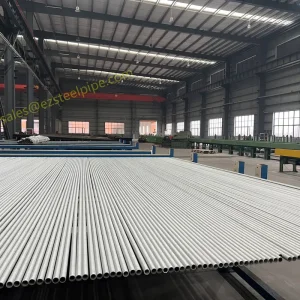
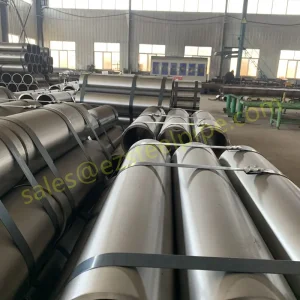
Our strategically positioned production centers in Cangzhou, Yangzhou, and Lishui process high-performance industrial metal pipelines. We manage everything in-house, from smelting supervision and rolling to final heat treatment cycles, guaranteeing physical and metallurgical conformity.
Supported by ISO 9001-certified laboratories, we perform a wide range of standard tests: hydrostatic pressure testing, ultrasonic inspection, Positive Material Identification (PMI), eddy current verification, and destructive mechanical evaluations (tensile, flattening, and hardness tests).
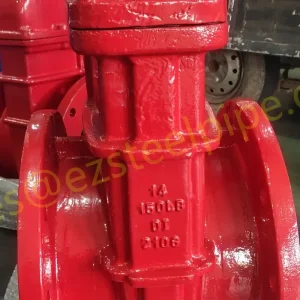
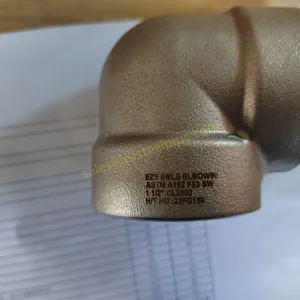
We supply more than just standalone pipes. We compile comprehensive project packages including compatible gaskets, specialized flanges, structural fittings, and CE-certified valves. Our design engineers optimize these bills of materials to ensure seamless field installation.

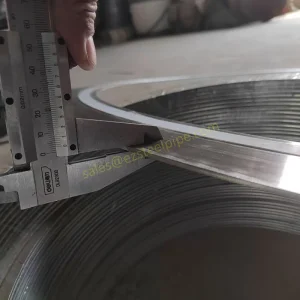
The global industrial landscape requires manufacturing precision that legacy production mills struggle to match. EZ Steel Industrial Co., Ltd bridges this gap by incorporating China Factory 4.0 methodologies across our mills. Through automated, real-time process monitoring, we ensure that parameters like wall thickness tolerances, concentricity, and thermal histories are monitored and recorded digitally.
Our production tracking systems integrate raw material melt certificates directly with finished pipe heat numbers. If a client queries an ASTM A335 alloy batch, we can retrieve the precise chemical profile, mechanical test reports, and cooling history instantly. This end-to-end transparency helps safeguard projects from component failures and simplifies compliance processes for engineering teams.
A reference guide comparing mechanical limits, compositions, and ideal use cases for common ASTM and EN standards.
| Material Standard | Common Grade | Carbon Max (%) | Tensile Strength (Min) | Yield Strength (Min) | Primary Industrial Use Cases |
|---|---|---|---|---|---|
| ASTM A106/A106M | Grade B | 0.30% | 415 MPa | 240 MPa | High-temperature pressurized steam & hydrocarbon refinery networks. |
| ASTM A335/A335M | Grade P91 | 0.08% - 0.12% | 585 MPa | 415 MPa | Supercritical power utility pipelines, high-temperature headers. |
| ASTM A210/A210M | Grade A-1 | 0.27% | 415 MPa | 255 MPa | Seamless medium-carbon boiler and superheater tube assemblies. |
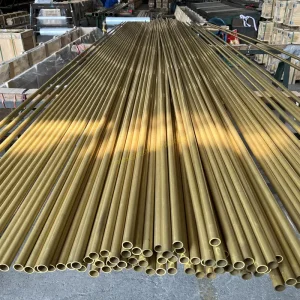
| ASTM B111/B111M | C70600 (90/10 CuNi) | - | 275 MPa | 105 MPa | Marine condensers, coastal cooling systems, desalination plants. |
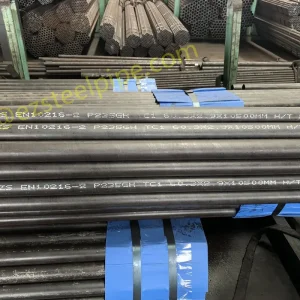
| EN 10216-2 | P235GH | 0.16% | 360 - 480 MPa | 235 MPa | European standard pressure equipment and boiler manufacturing. |
| ASTM B619/B619M | Alloy C276 | 0.01% | 690 MPa | 283 MPa | Highly corrosive petrochemical applications, acid transport lines. |
Minimizing lead times, ensuring regulatory compliance, and managing supply-chain risks.
Modern engineering procurement managers face complex challenges, including supply chain disruptions, fluctuating freight costs, and import tariff changes. When procuring large volumes of industrial pipelines, selecting a manufacturer that offers both technical capability and logistical reliability is critical. Inconsistencies in material quality or delayed deliveries can lead to project delays, resulting in significant cost overruns.
By operating centralized logistics facilities and stocking standard grades (like ASTM A106 and A53), EZ Steel minimizes lead times for critical project phases. We handle global customs procedures, prepare export documentation, and package materials to prevent corrosion during sea transport. This approach helps ensure that pipeline materials arrive on site on time and ready for installation.
Tailored metallurgical configurations designed to withstand challenging environments globally.
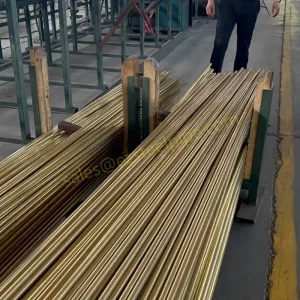
Marine environments require high resistance to pitting and crevice corrosion. Our copper-nickel alloys (conforming to ASTM B111 and EN 12451) provide natural biofouling resistance and low corrosion rates in saltwater cooling and desalination systems.
Supercritical boiler systems operate at high temperatures and pressures. Our ASTM A335 (P11, P22, P91) ferritic alloy pipes and ASTM A210 carbon steel boiler tubes are designed to withstand thermal creep and high mechanical loads over long operating lifespans.
Acidic processing loops require reliable corrosion resistance. Our specialized ASTM B619 nickel-cobalt welded pipes and EN 10296-2 stainless tubes help prevent environmental release and maintain chemical purity in aggressive processing environments.
Technical guidance and engineering insights from our senior metallurgical team.
Engineered to meet international standards under high temperatures, high pressures, and corrosive environments.
Get in touch with our design engineers to optimize specifications, request custom sizing, or receive a project quote.
Request Technical Quote EZ STEEL