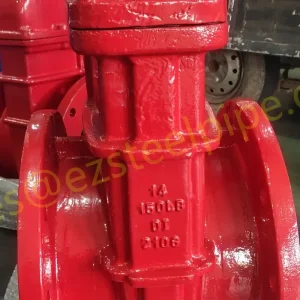
Explore our top certified products, engineered to withstand aggressive mechanical, chemical, and thermodynamic stresses globally.
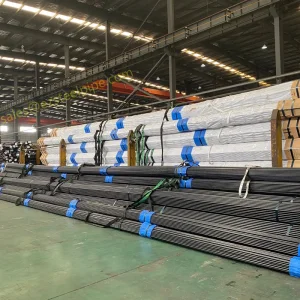
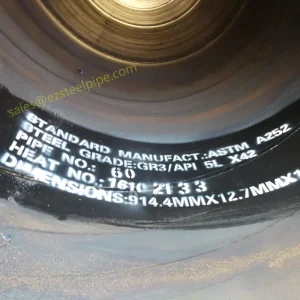
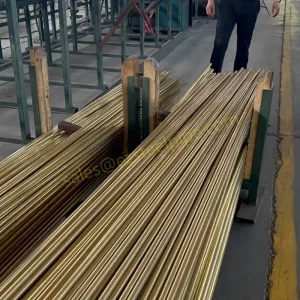
In modern industrial engineering, understanding the fluctuations in the steel tube rate today is critical for cost estimation, budget execution, and supply chain resiliency. The global steel piping market operates under a complex network of material cost factors, local tariffs, energy policies, and micro-alloying availability. Whether dealing with traditional carbon steel infrastructure or specialty nickel-copper piping systems, procurement managers and structural engineers must carefully navigate these commercial variables.
EZ Steel Industrial Co.,Ltd behaves not just as an OEM manufacturer but as an integrated knowledge partner. Our production framework utilizes state-of-the-art smelting, cold drawing, and continuous hot-rolling processes. This vertical integration allows us to hedge against volatile bulk market changes and present stabilized price agreements to our global engineering clientele.
Our operation aligns directly with the core requirements of key infrastructure sectors. From offshore wind farms to petrochemical facilities in South Africa, our customized materials undergo rigorous non-destructive evaluation (NDE) to guarantee durability and full standard conformance.
As a vertically integrated manufacturer and trading specialist in metal piping materials, EZ Steel (EZS) stands as a premier one-stop solution provider for global clients seeking reliable, customized, and technically superior pipeline products.
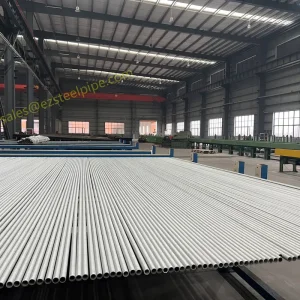
Our in-house steel pipe production facilities enable strict quality control from raw material selection to finished products. Equipped with advanced rolling, cold-drawing, welding, and heat-treatment equipment, we manufacture API/EN/ASME-certified pipes in standard sizes while maintaining flexibility for custom dimensions and specifications.
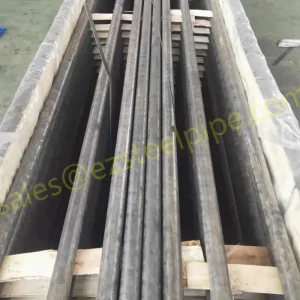
We maintain a strategic stock of carbon steel, alloy steel, and stainless steel pipes across common grades (such as ASTM A106, A53, A312, etc.), ensuring rapid delivery for urgent project requirements. Real-time inventory tracking guarantees order accuracy, processing speed, and transit transparency.
Beyond standalone pipe supply, we provide turnkey material packages including valves, flanges, fittings, and specialty alloys. Our material engineers collaborate closely with clients to optimize design specifications, reduce procurement complexity, and ensure full compliance with international standards.
A professional custom manufacturer and package solution provider specializing in carbon steel, stainless steel, and copper-nickel alloy pipeline systems.
Founded in 1994, EZ Steel has evolved from a regional tube manufacturer to a global system provider. Operating three production hubs across Cangzhou, Yangzhou, and Lishui, we bridge the gap between heavy metallurgy and precise mechanical execution.
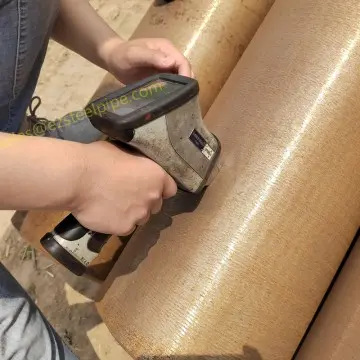
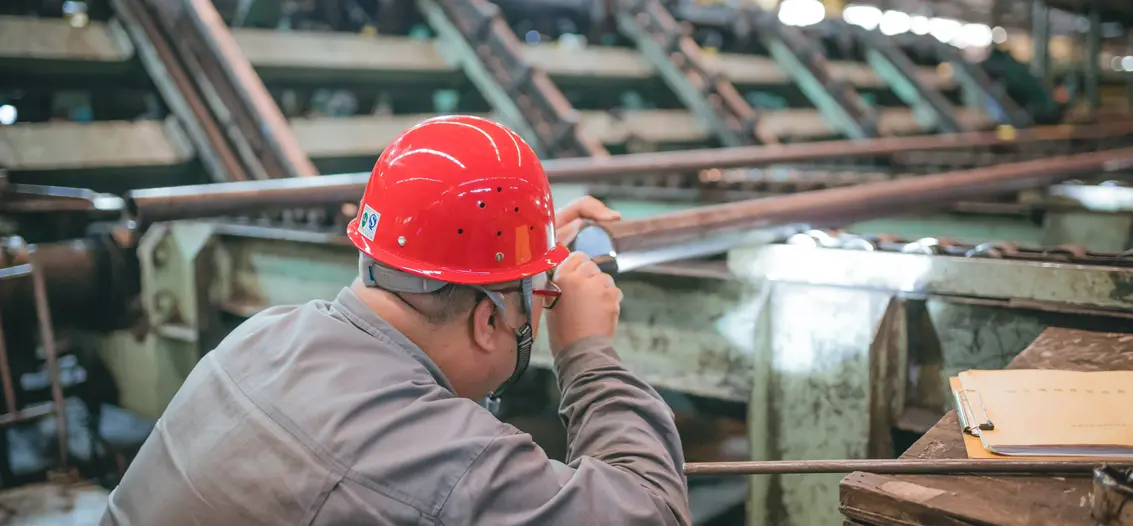
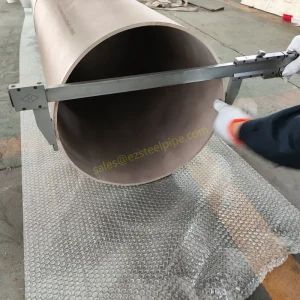
Our commitment to rigorous testing sets us apart. All materials are supported by accredited EN 10204 3.1 & 3.2 Mill Test Certificates (MTC). We host modern laboratories where PMI (Positive Material Identification), hydrostatic pressure tests, ultrasonic, and eddy current investigations are performed daily.
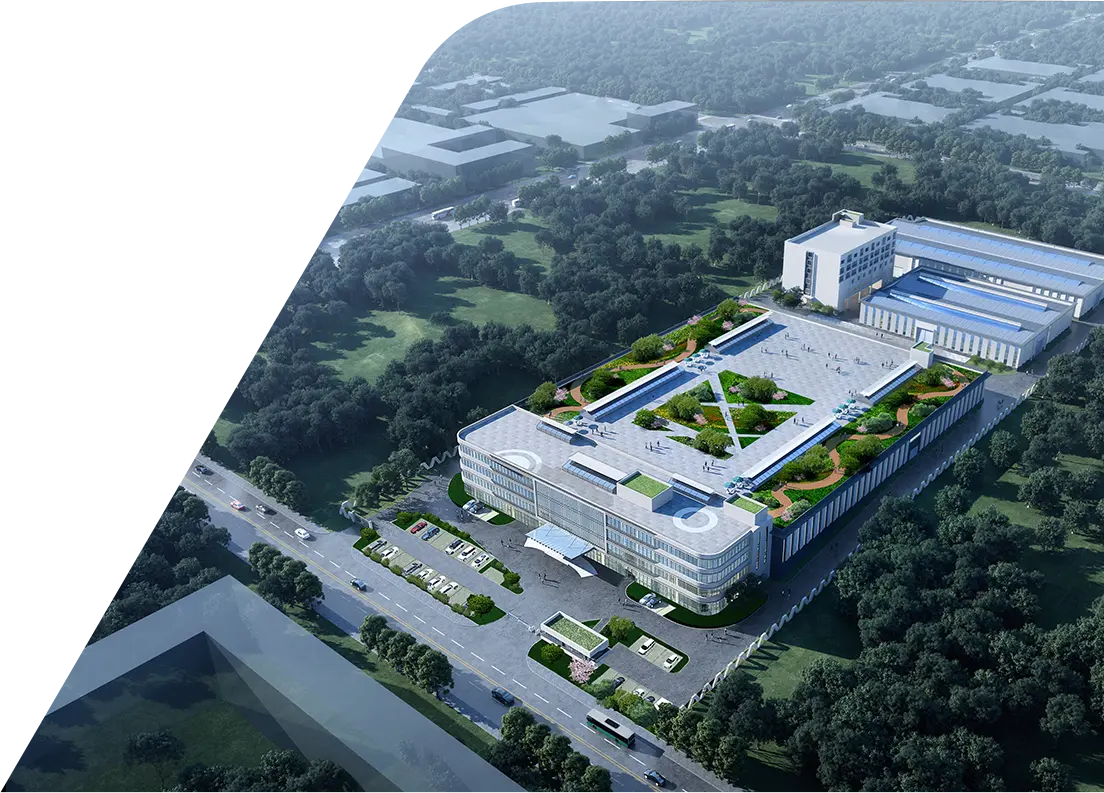
Yangzhou & Cangzhou Facilities
40,000 m² Integrated Manufacturing Hub
Our engineering structure is optimized into four core material sections, each designed for specific environments.
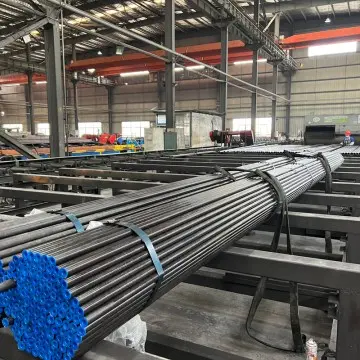
High thermal and mechanical stability under high pressure.
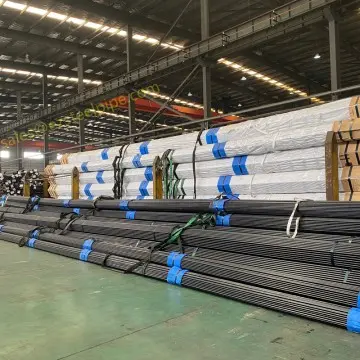
Low-carbon heat exchanger and condenser tubes.
Seamless carbon steel boiler tubes for high-pressure service.
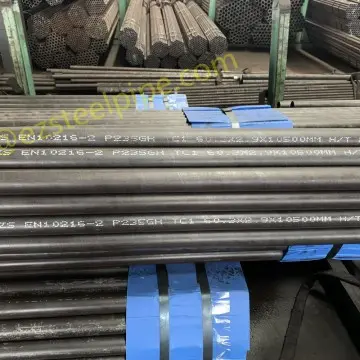
Medium-carbon steel boiler and superheater tubes.
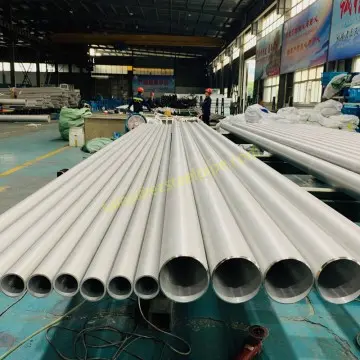
Austenitic and duplex pipes for oil exploration.
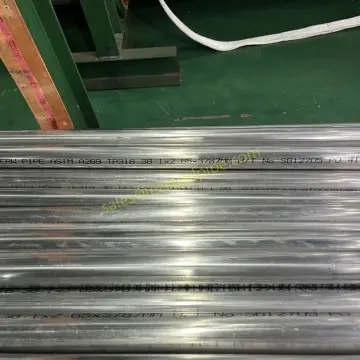
Seamless ferritic and austenitic alloy-steel boiler tubes.
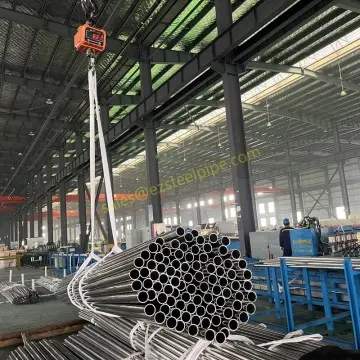
Welded austenitic steel boiler and heat exchanger tubes.
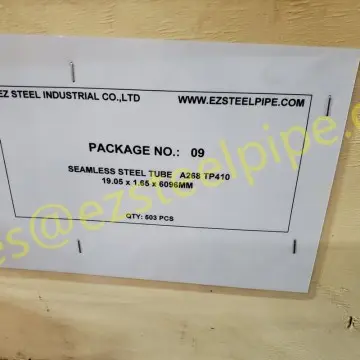
European standard seamless stainless steel tubes.
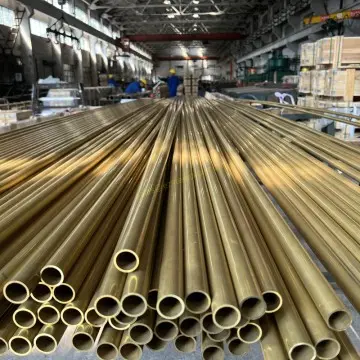
Seawater corrosion resistant piping solutions.
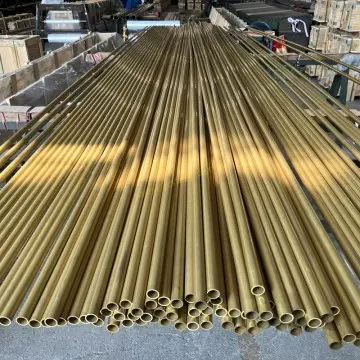
Standard seamless copper and copper-alloy condenser tubes.
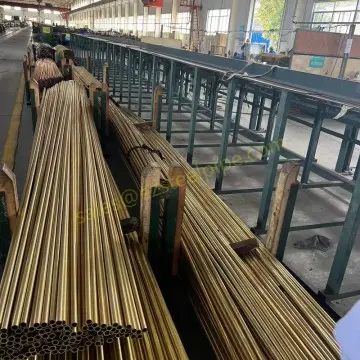
Seamless copper-nickel pipe and tube specifications.
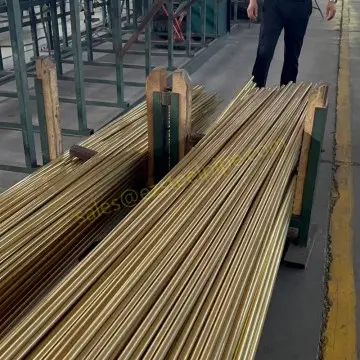
Seamless copper tubes for heat exchangers (European Standard).
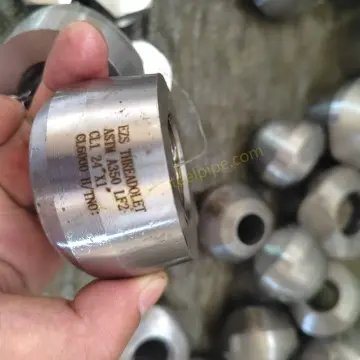
Elbows, reducers, tees, and caps for high-pressure setups.
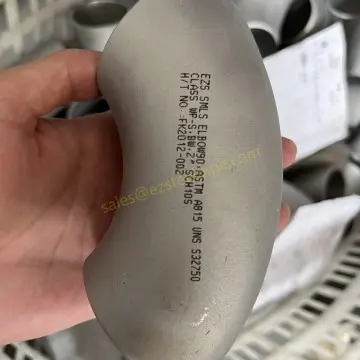
Seamless and welded carbon & stainless butt-weld components.
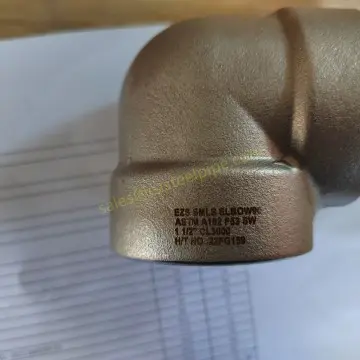
High-pressure forged socket weld tees and elbows.
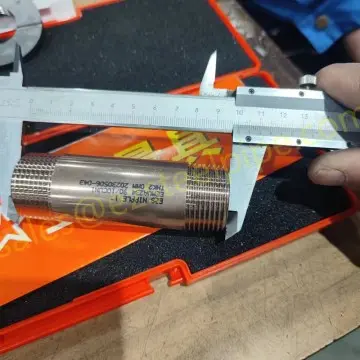
Precision BSPT & NPT threaded industrial plumbing joints.
In modern industrial applications, selecting the appropriate manufacturing route (Seamless vs. Welded) determines the performance lifecycle of structural and fluid conduits. For high-temperature, high-pressure, and corrosive environments, seamless options are often preferred, whereas welded alternatives offer superior dimensional uniformity and cost efficiency for low-to-medium pressure installations.
| Specification Standard | Standard Materials | Core Industrial Use Case | Unique Physical Characteristic |
|---|---|---|---|
| GOST 8732 | Carbon Steel Grades 10, 20, 35, 45 | High-pressure hydraulic pipelines and petrochemical transport | Seamless hot-deformed structure, excellent cross-sectional roundness |
| ASTM A179 / A179M | Low Carbon Steel | Tubular heat exchangers, surface condensers, and evaporators | Seamless cold-drawn structure, high dimensional control, clean inner wall |
| BS 2871 / EN 12451 | Copper-Nickel (C70600, C71500) | Marine condenser systems, desalination plants, power stations | Outstanding chemical resistance to moving seawater |
| API Spec 5L | Gr. B up to X80 PSL1 / PSL2 | Transport of gaseous and liquid hydrocarbons, offshore pipelines | Strict compliance with destructive and crack propagation limitations |
| ASTM B407 | Nickel-Iron-Chromium Alloys | High-temperature chemical processing, steam generator piping | Incoloy 800/800H structural strength and resistance to sulfidation |
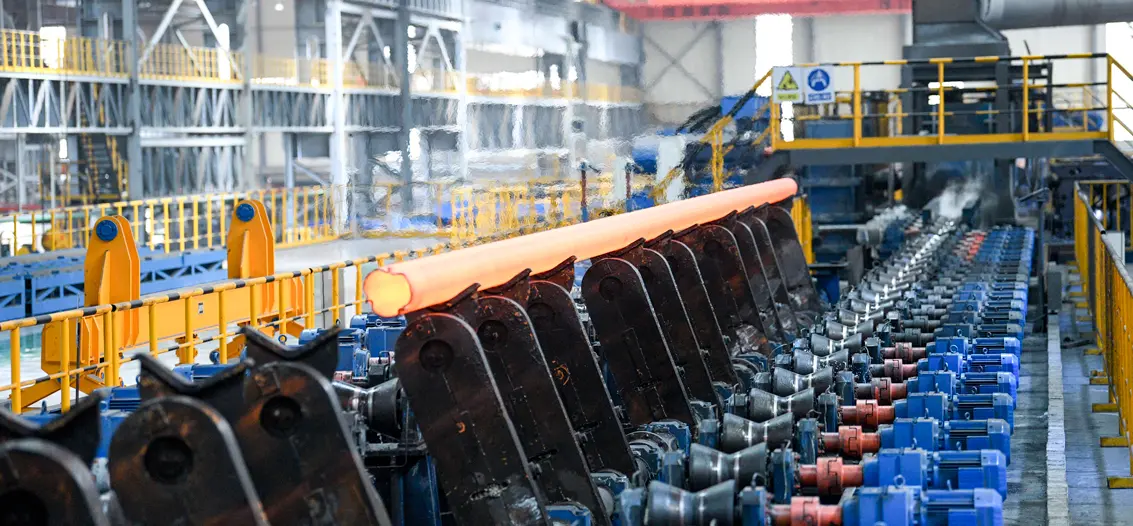
Seamless manufacturing processes ensure the absence of structural welds, removing potential points of failure along the pipe wall. The GOST 8732 hot-deformation process begins with solid steel billets heated above recrystallization temperatures, followed by piercing, rolling, and sizing. This method is optimized for heavy machinery structures, power plant hydraulic circuits, and oil and gas networks. Conversely, the cold-drawn process used in ASTM A179 tubes involves drawing pre-machined hollow tubes through a die and plug assembly at room temperature. This refines the grain structure, enhances surface finish, and enables tight dimensional tolerances required for tube sheet insertions in heat exchangers.
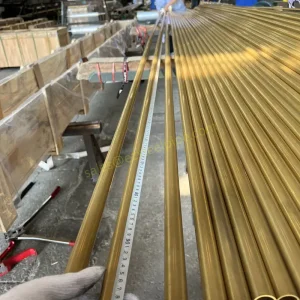
Copper-nickel (Cu-Ni) alloys, specifically 90/10 and 70/30 compositions specified in BS 2871, EEMUA 234, and EN 12451, provide high resistance to marine biofouling and seawater corrosion. In offshore gas platforms and ocean-going vessel pipe systems, copper-nickel tubing forms a passive oxide layer upon contact with water, shielding the substrate from erosion-corrosion. Maintaining consistent chemical compositions (particularly concerning iron and manganese additions) is critical to preserving the shear resistance of this protective oxide film under rapid flow rates.
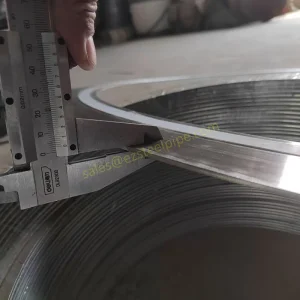
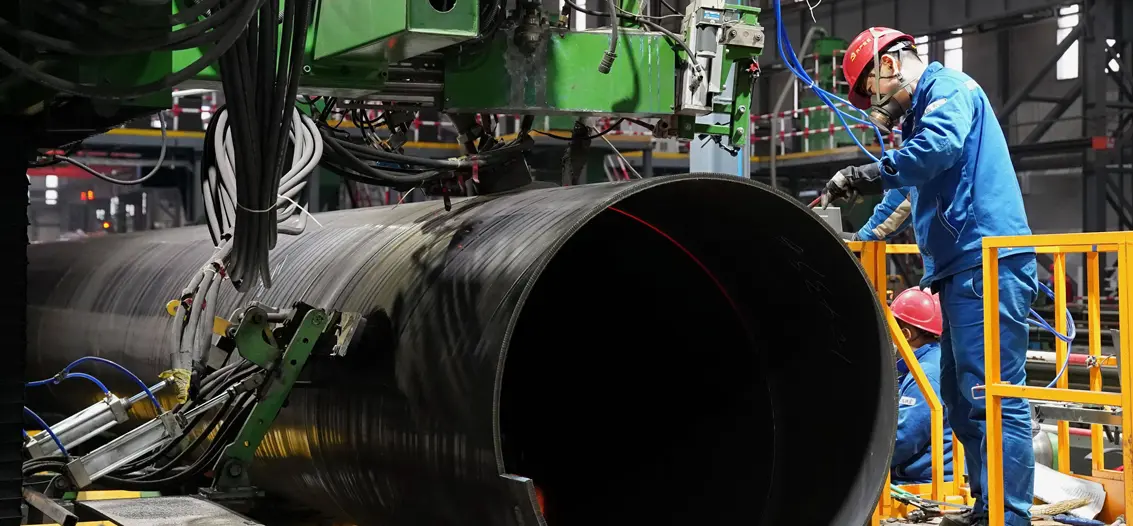
Welded tubes are manufactured from continuous steel strip that is roll-formed and welded along the longitudinal seam using electric resistance welding (ERW) or gas tungsten arc welding (GTAW). ASTM A554 welded stainless steel mechanical tubing is commonly chosen for architectural, structural, and automotive parts requiring specific tolerances and surface finishes. For high-volume fluid transport, GOST 20295 specifies welded steel pipes with high toughness, designed to withstand cyclical operating pressures in overland transmission lines.
Our operational process is structured around metallurgical reliability. We implement detailed quality control procedures at each production phase to ensure compliance with global engineering codes:
To ensure high performance in critical systems, our facilities offer supplementary processing steps:
Custom radius U-bent tubes for shell and tube exchangers, followed by electric resistance heating to normalize cold-forming stresses in the bend portion.
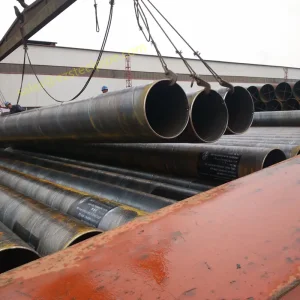
Anti-corrosive oiling, black paint coatings, hot-dip galvanizing, and internal FBE/3LPE coating application for buried line pipe.
Stay informed about our latest project achievements, international delegation visits, and technical updates.
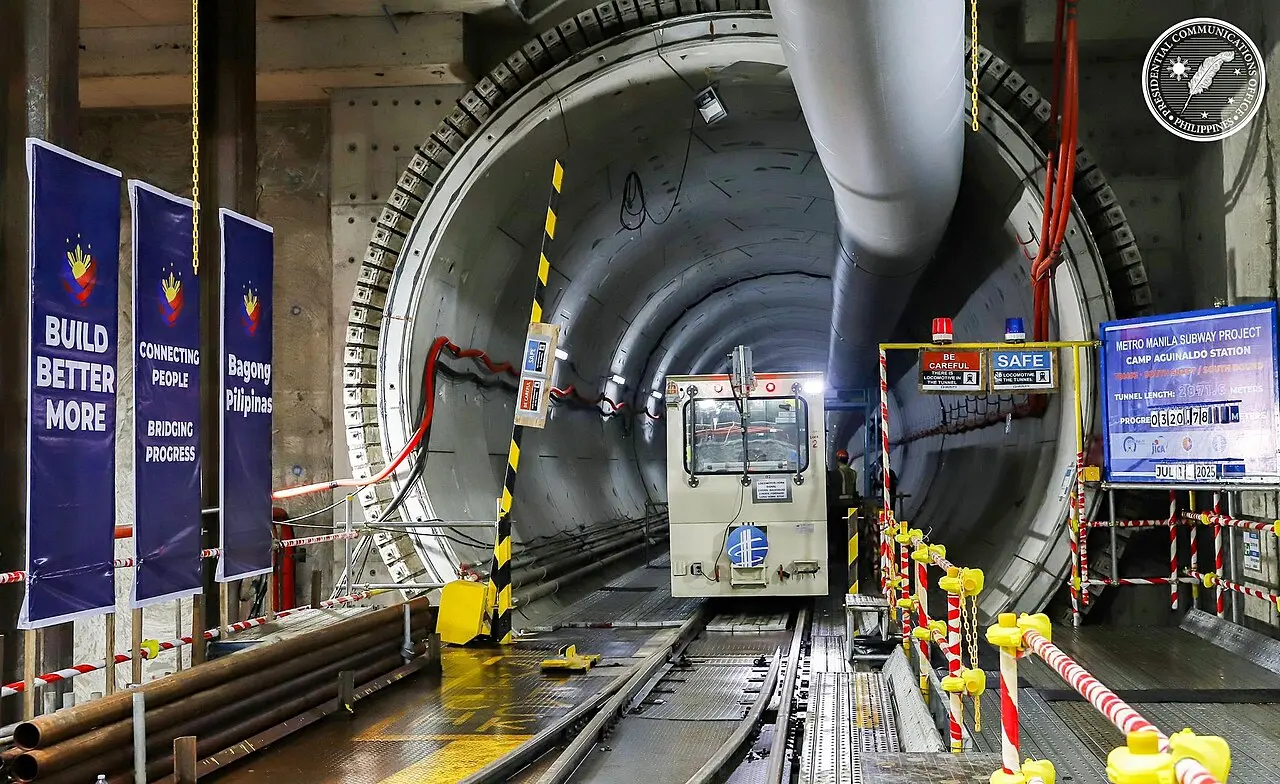
EZ Steel successfully secures the bid to supply heavy wall alloy tubes for major power infrastructure expansion...
Explore more →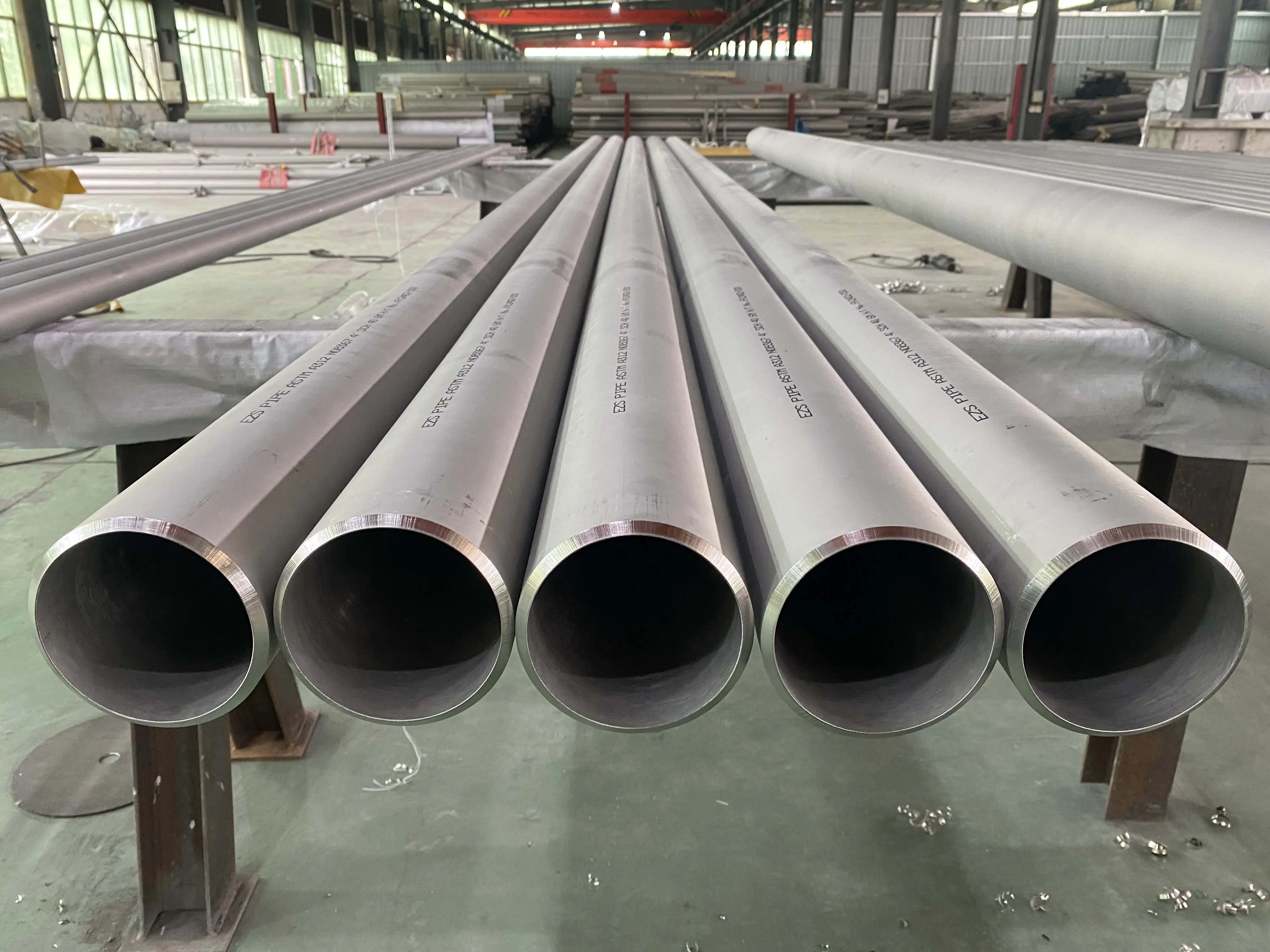
Successfully resolving transit bottlenecks to ship marine grade copper alloy pipe packages ahead of schedule...
Explore more →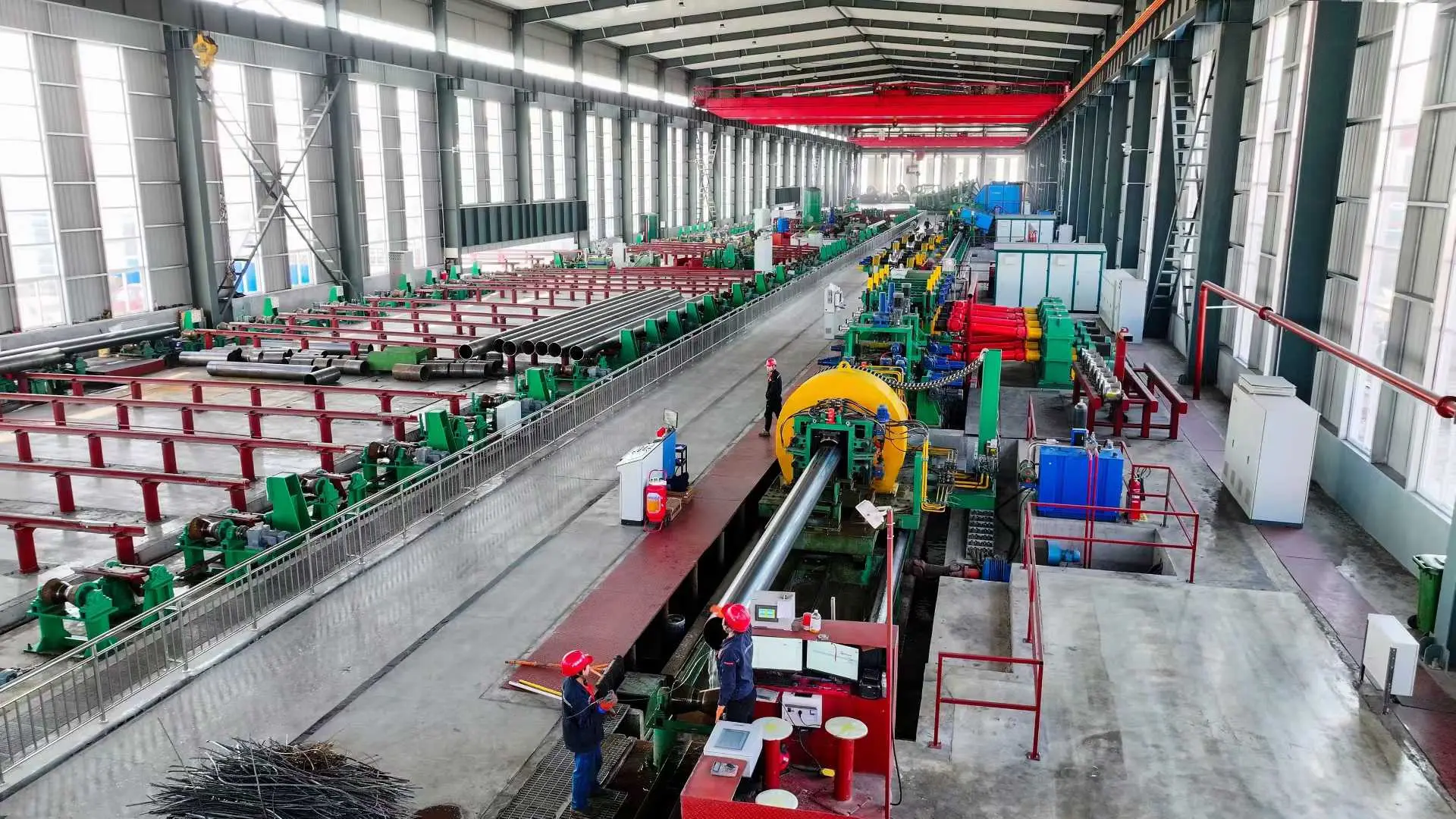
Engineering representatives inspect our seamless pipe production lines and audit ASTM carbon tube stock systems...
Explore more →
Delivery of specialty line pipes meeting ISO 3183 PSL2 standards for natural gas pipeline installations...
Explore more →Expert technical responses to common questions regarding steel tube rates, mechanical specifications, and global delivery logistics.
Detailed procedural breakdowns for manufacturing, quality assurance, and project tracking.
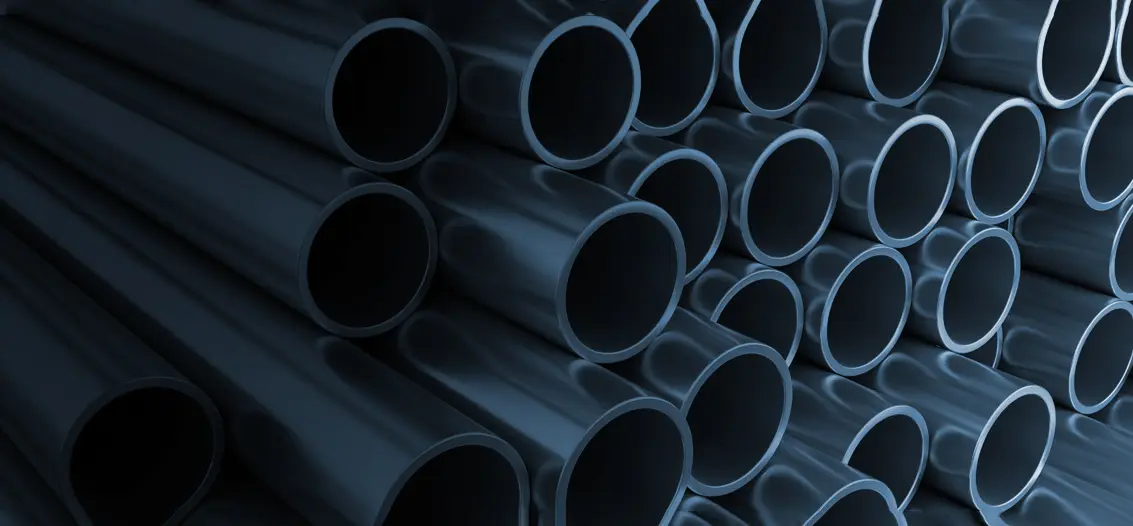
Complete line solutions featuring alloy steel, carbon steel, nickel-based materials, and industrial flow controls.
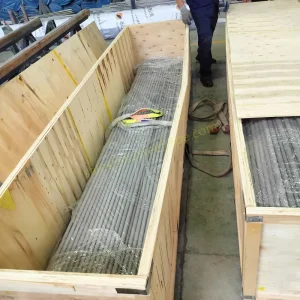
Connect with our expert material engineers to discuss specific standard classifications, request mill test certificates, or receive a customized quotation tailored to your project timeline.
Submit Inquiry Package EZ STEEL