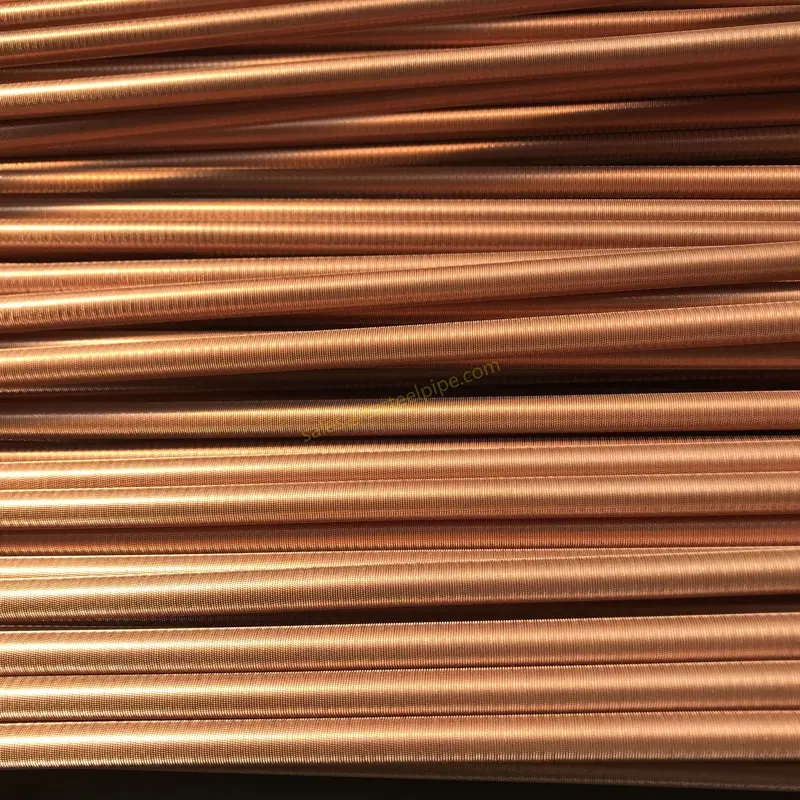
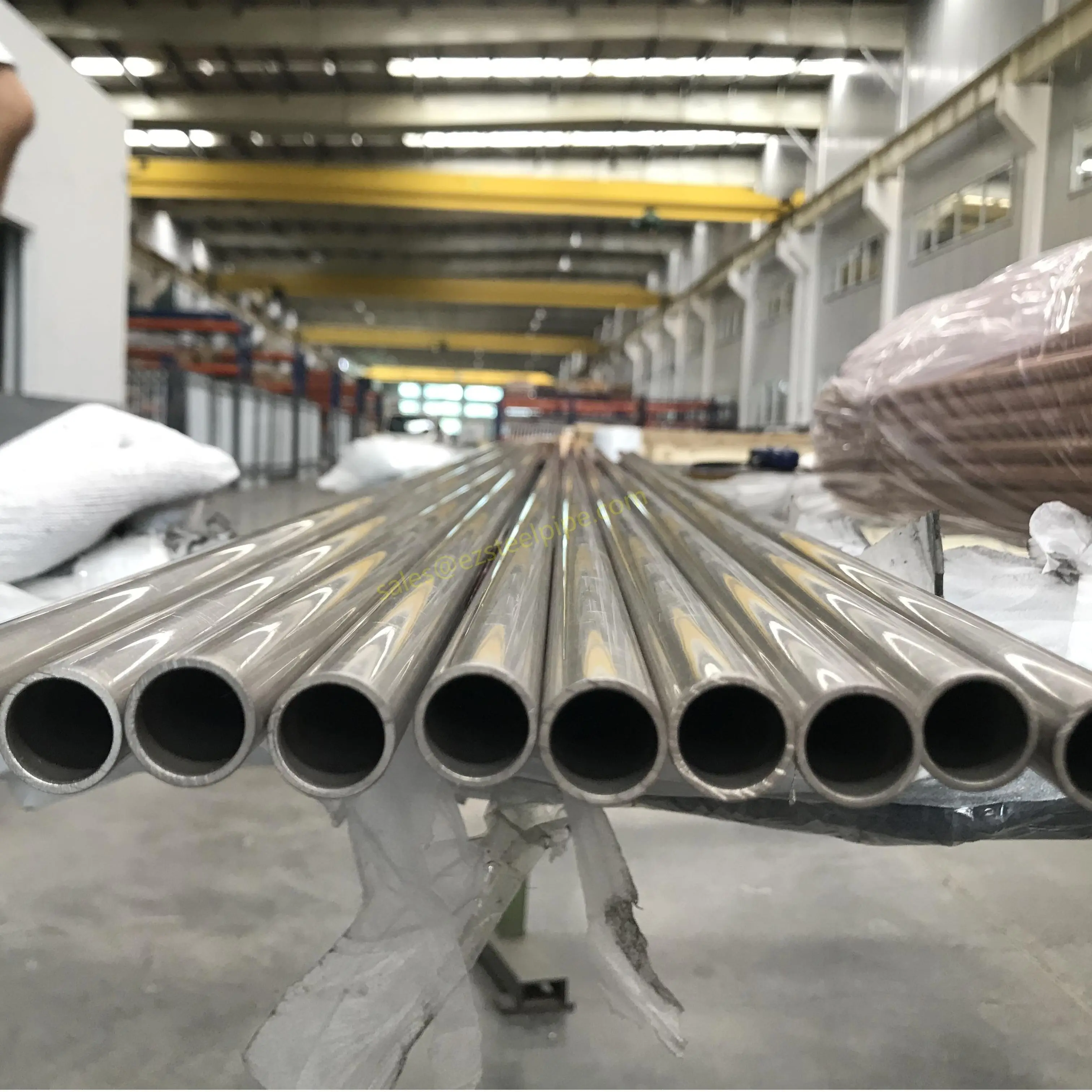
China GB/T 8890 Seamless Copper Alloy Heat Exchanger Tubes Manufacturer, Factory

Scope  
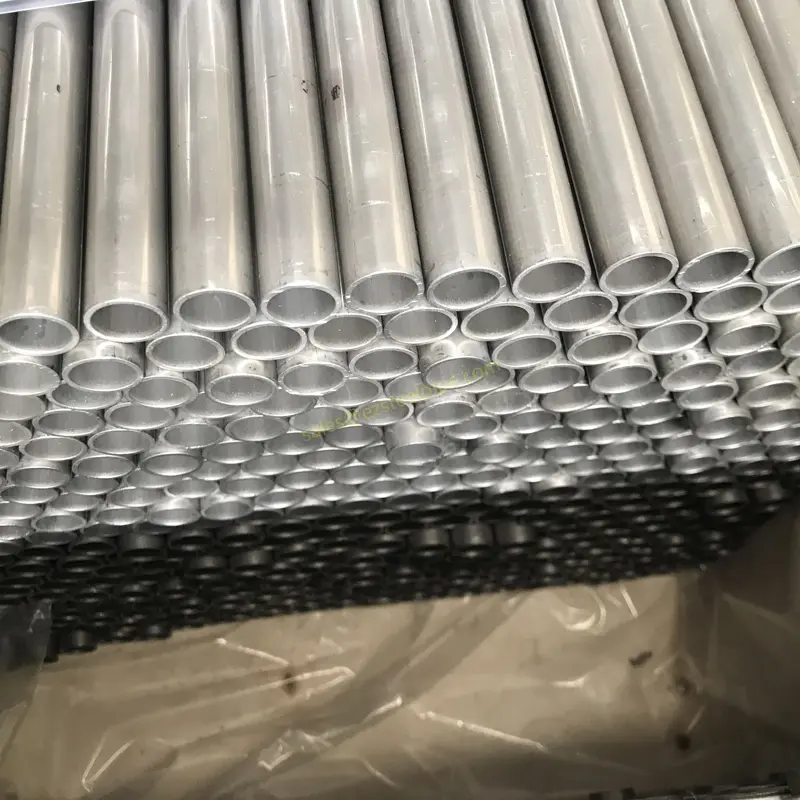
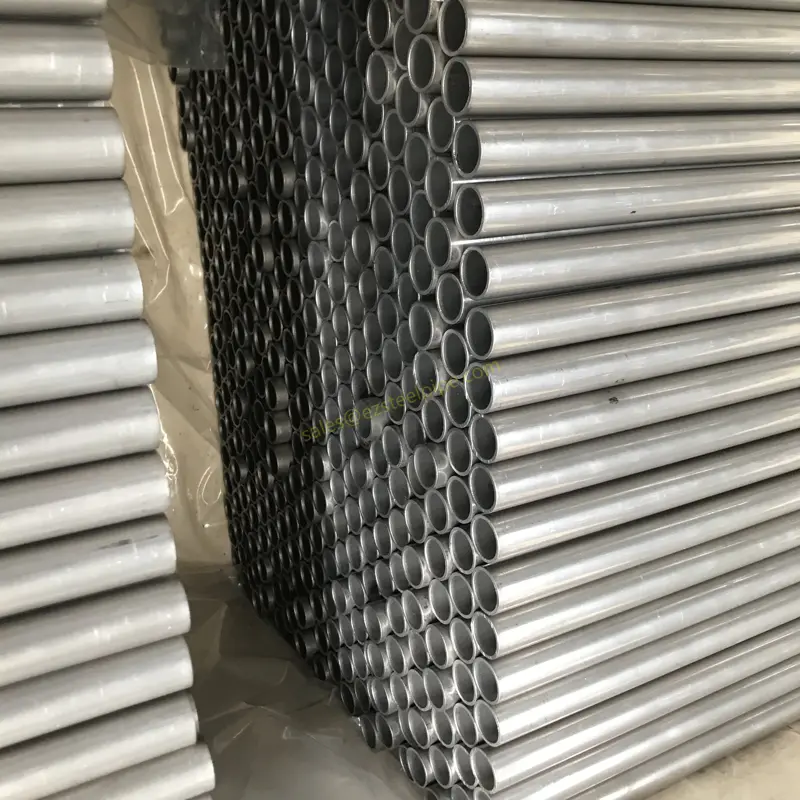
This standard applies to seamless copper alloy tubes (e.g., brass, copper-nickel alloys) for heat exchangers and condensers in industrial applications, including power plants, petrochemical, and marine industries.

Product Description

Normative References
GB/T 228 (Tensile testing)
GB/T 5121 (Chemical analysis of copper alloys)
GB/T 5248 (Non-destructive testing for copper tubes)
Ordering Information
Standard number (GB/T 8890)
Material code/alloy designation (e.g., HSn70-1, BFe10-1-1)
Dimensions (outer diameter, wall thickness, length)
Surface condition (bare, coated, etc.)
Testing requirements (e.g., hydrostatic, eddy current, or ultrasonic testing)
Special requirements (if any)
Material Codes & Chemical Composition

Common alloys covered under GB/T 8890 standard:
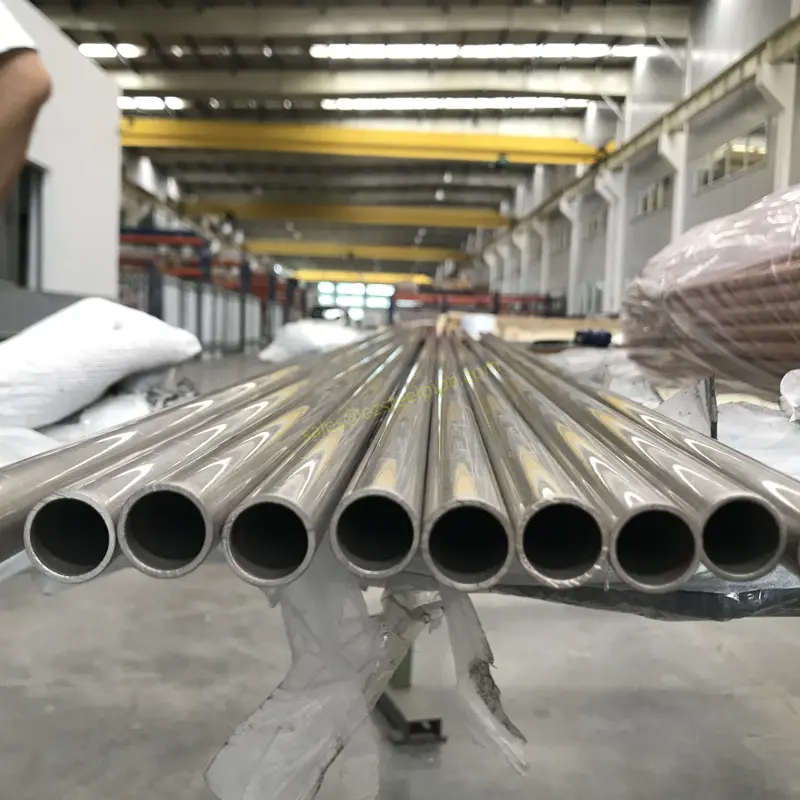
HSn70-1: Tin brass
BFe10-1-1: Copper-nickel alloy
BFe30-1-1: Cu-Ni-Fe alloy
HAl77-2 / H68A: Aluminum brass and others
Chemical composition limits for each alloy are strictly specified (including Cu, Ni, Fe, Sn, Zn percentages).
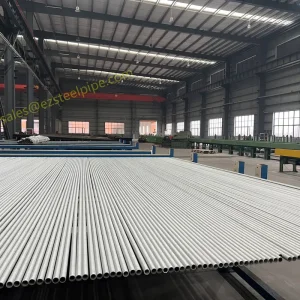
GB/T 8890 Seamless Copper Alloy Tube
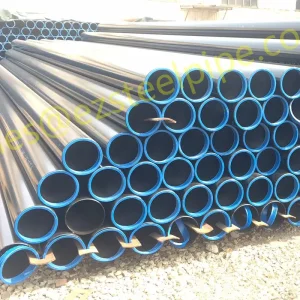
Copper Alloy Heat Exchanger Tube
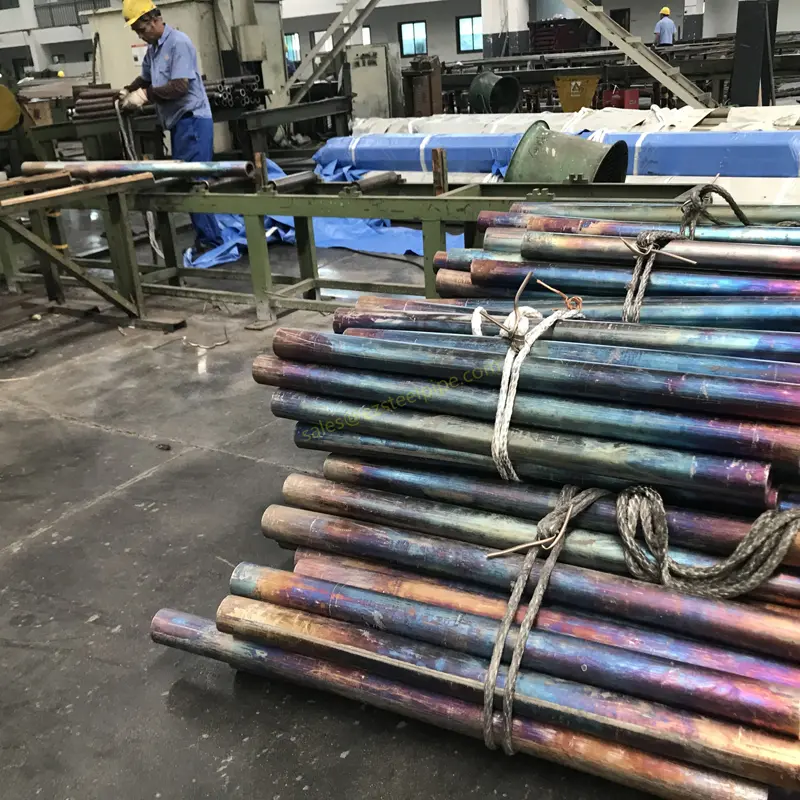
Industrial Copper Tube Details
Manufacturing & Dimensions
Production method: Seamless, cold-drawn or hot-extruded.
Dimensional tolerances: Outer diameter (±0.10–0.50 mm), wall thickness (±5–10% of nominal).
Length: Fixed or random lengths, typically 1–7 meters.
Mechanical Properties
Tensile strength, yield strength, and elongation requirements vary by alloy.
Example: HSn70-1 tensile strength ≥ 295 MPa.
Hardness testing is available per agreement.
Inspection & Testing Requirements
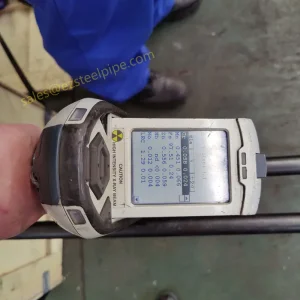
Chemical analysis per GB/T 5121.
Mechanical tensile testing per GB/T 228.
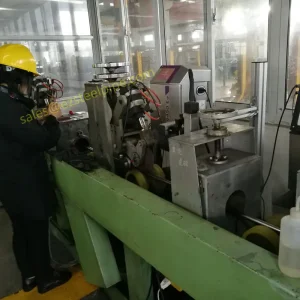
Non-destructive testing (NDT): Eddy current (GB/T 5248) or ultrasonic testing.
Hydrostatic pressure test (per customer request).
Visual inspection for surface defects and dimensional verification.
Surface Finish & Marking

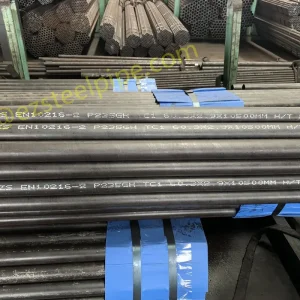
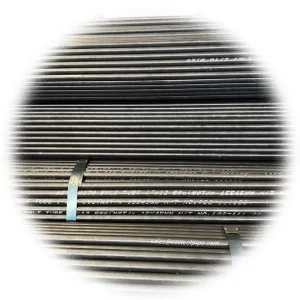
Tubes must be free from cracks, inclusions, and severe scratches. Marking includes alloy grade, dimensions, batch number, and standard number (GB/T 8890).
Product Quality Certification
Certification & Compliance

A full test certificate is provided including:
Chemical composition and mechanical results.
NDT reports (if applicable).
Compliance statement with GB/T 8890.
Frequently Asked Questions
What is the primary application of GB/T 8890 tubes?
These seamless copper alloy tubes are specifically designed for heat exchangers and condensers used in power plants, marine environments, and chemical processing.
Which copper alloys are most commonly used in this standard?
The most common alloys include HSn70-1 (Tin Brass) for general corrosion resistance and BFe10-1-1 or BFe30-1-1 (Copper-Nickel) for superior resistance in seawater applications.
What kind of quality testing is performed on these tubes?
Quality is ensured through chemical analysis, mechanical tensile tests, and mandatory Non-Destructive Testing (NDT) such as Eddy Current or Ultrasonic testing to detect internal flaws.
Can the dimensions be customized?
Yes, while standard lengths are typically between 1 to 7 meters, outer diameters and wall thicknesses can be customized within the tolerances specified by the GB/T 8890 standard.
How are the tubes protected during transit?
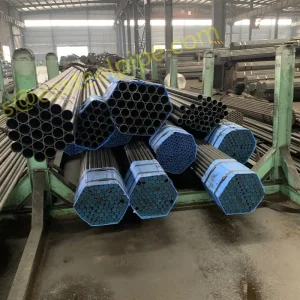
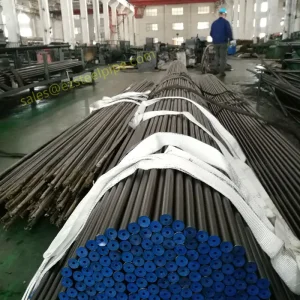
Tubes are typically bundled and can be provided with protective coatings or specific packaging to prevent surface oxidation and physical damage during international transit.
Is a material test certificate (MTC) provided?
Yes, every shipment includes a comprehensive test certificate detailing the chemical composition, mechanical properties, and compliance with the GB/T 8890 standard.

Related Products