OEM EEMUA Publication 234: Copper-Nickel Alloy Piping for Offshore Applications – Tubes Manufacturers, Factories

Scope  
This standard specifies requirements for copper-nickel (Cu-Ni) alloy tubes used in offshore applications, particularly for seawater systems. It covers material properties, dimensions, tolerances, testing, and inspection to ensure reliability in corrosive marine environments.

Product Description

Ordering Information

When ordering Cu-Ni tubes per EEMUA 234, the following should be specified:

  • Alloy designation (e.g., 90/10 Cu-Ni, 70/30 Cu-Ni)
  • Dimensions (outer diameter, wall thickness, length)
  • Temper (e.g., annealed, as-drawn)
  • End finishes (plain, beveled, grooved)
  • Certification requirements (e.g., EN 10204 3.1/3.2)
  • Special testing (if required, e.g., corrosion testing)
Material Codes & Alloys

Common alloys covered:

  • 90/10 Cu-Ni (UNS C70600) – General seawater service
  • 70/30 Cu-Ni (UNS C71500) – Higher corrosion resistance
  • Other variants (if applicable, with trace element controls)
Manufacturing & Chemical Composition
  • Melting process: Typically electric furnace with controlled impurity levels.
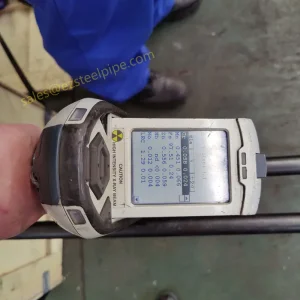
  • Chemical composition: Limits for Cu, Ni, Fe, Mn, and trace elements to ensure corrosion resistance.
Mechanical Properties
  • Tensile strength, yield strength, elongation per alloy and temper.
  • Hardness requirements (Rockwell or Vickers, as applicable).
Dimensional Tolerances
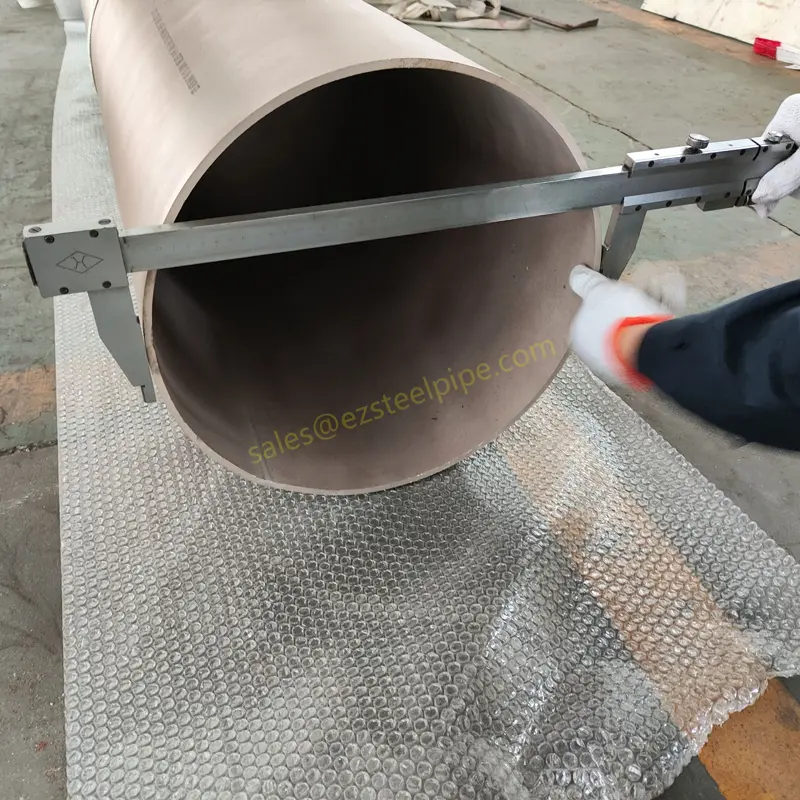
  • Outside diameter, wall thickness, straightness, and length tolerances specified.
  • Surface finish requirements (e.g., smooth, free from defects).
Inspection & Testing Requirements
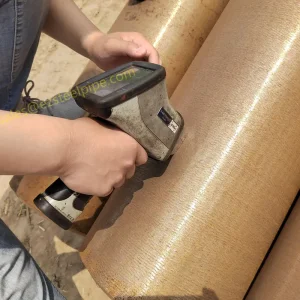
  • Non-destructive testing (NDT): Eddy current, ultrasonic, or hydrostatic testing.
  • Corrosion testing (if specified, e.g., ASTM G48 for pitting resistance).
  • Visual inspection for surface defects.
  • Certification: Mill test reports (MTRs) to EN 10204 3.1 or 3.2.
Marking & Packaging
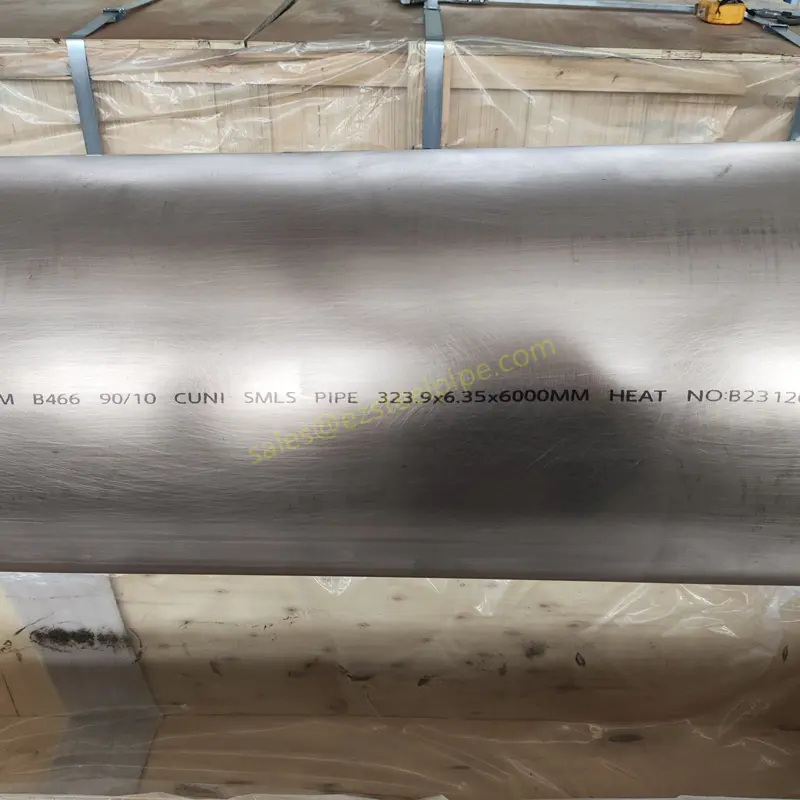
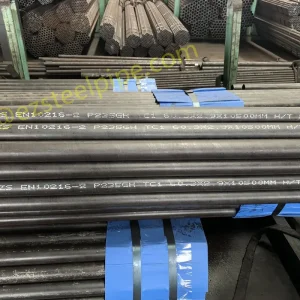
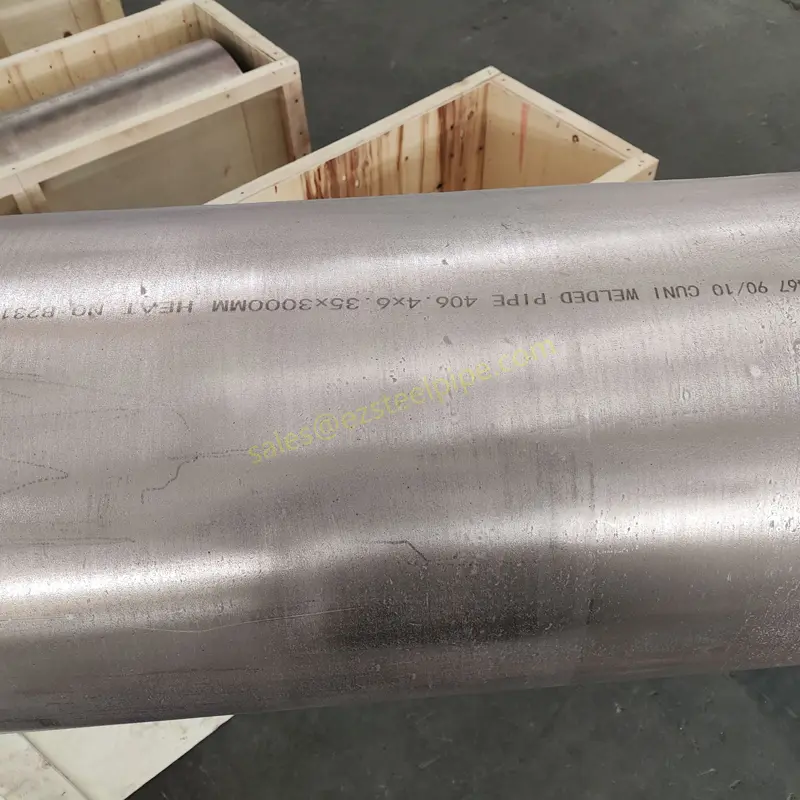
  • Permanent marking with alloy grade, heat number, size, and manufacturer.
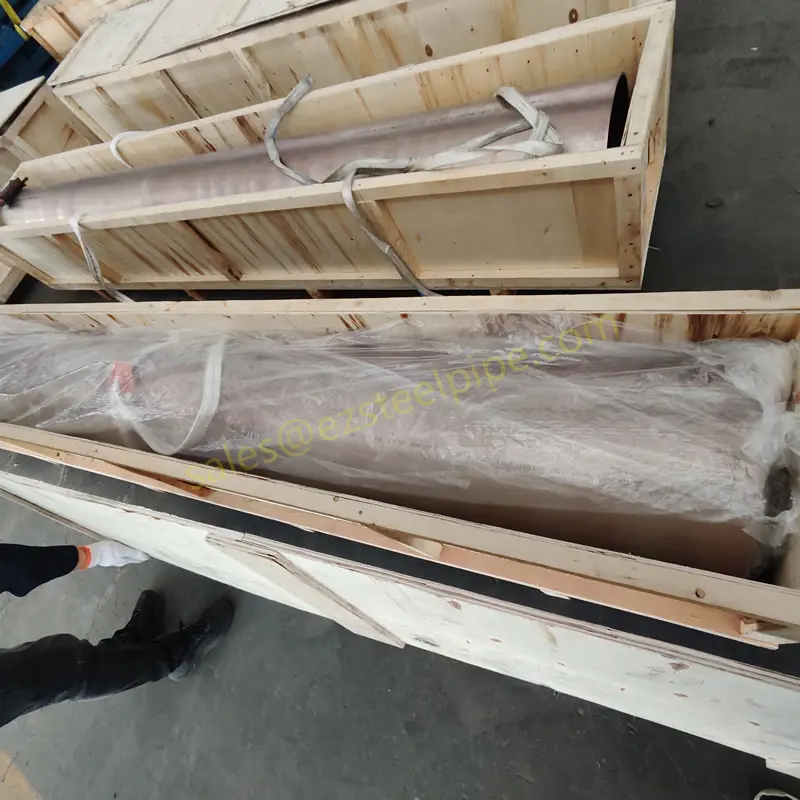
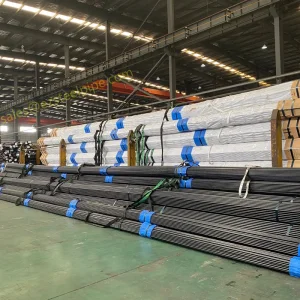
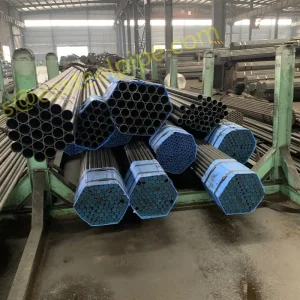
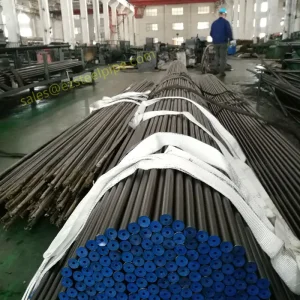
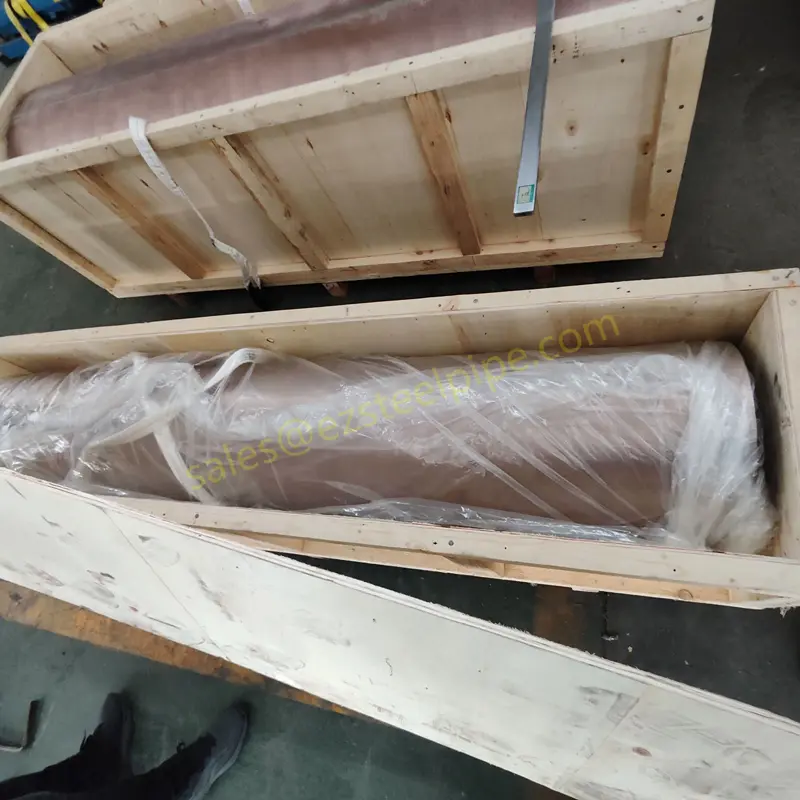
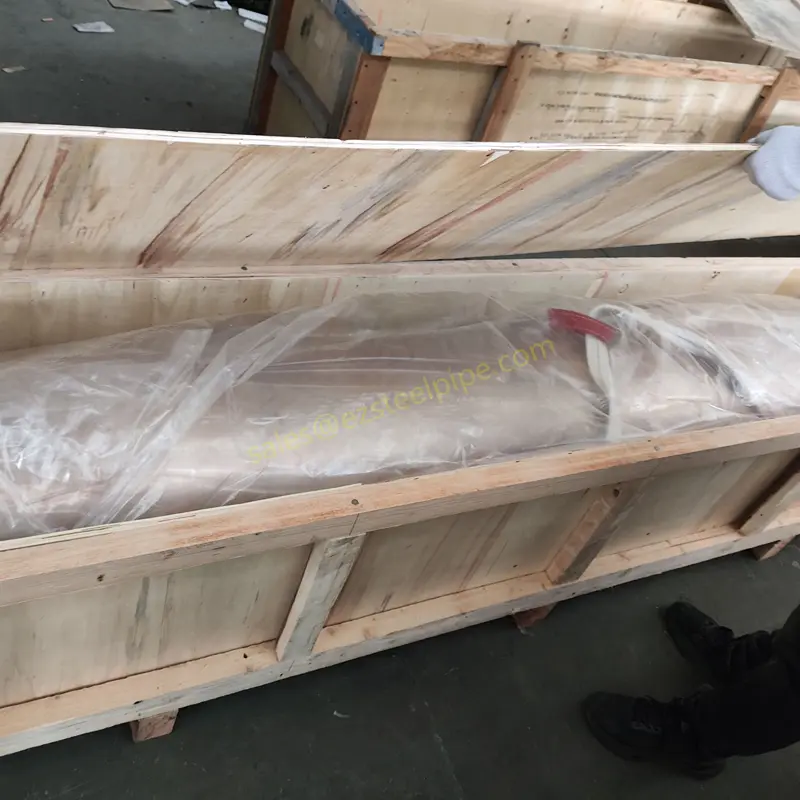
  • Protective packaging to prevent damage during transport.
Compliance & Certification
  • Compliance with ASTM, EN, or other international standards as applicable.
  • Third-party inspection (if required by purchaser).
Conclusion: EEMUA 234 provides a comprehensive specification for Cu-Ni alloy tubes in offshore environments, ensuring material integrity through strict chemical, mechanical, and inspection criteria. It is widely referenced in the oil & gas, marine, and desalination industries.
Material Codes in EEMUA 234
Alloy Type UNS Number EN Designation Common Name
90/10 Cu-Ni UNS C70600 CW 352H (EN 12451) 90% Cu, 10% Ni
70/30 Cu-Ni UNS C71500 CW 354H (EN 12451) 70% Cu, 30% Ni

Additional Referenced Standards:

  • ASTM B466 / B467 (Seamless & Welded Cu-Ni Tubes)
  • ISO 13388 (Copper & Copper Alloys – Inspection & Testing)
  • EN 12451 (Copper & Cu Alloy Tubes for Heat Exchangers)

Material Condition (Temper):

  • Annealed (O) – Soft condition for forming
  • As-Drawn (H) – Hard temper for higher strength

Traceability & Certification:
  • Heat numbers must be provided for material traceability.
  • Certification per EN 10204 3.1 or 3.2 (Inspection Certificates).
EEMUA 234 Product Description
Frequently Asked Questions (FAQ)
What is the primary application of EEMUA 234 tubes?
EEMUA 234 tubes are specifically designed for offshore applications, including seawater piping systems, oil and gas platforms, and desalination plants where high corrosion resistance is required.
What is the difference between 90/10 and 70/30 Cu-Ni alloys?
90/10 Cu-Ni (C70600) is the most common alloy for general seawater service, while 70/30 Cu-Ni (C71500) contains more nickel, providing superior resistance to corrosion and erosion in harsher offshore conditions.
Are these tubes available in different tempers?
Yes, according to EEMUA 234, tubes can be supplied in Annealed (O) condition for better formability or As-Drawn (H) condition for higher mechanical strength.
What kind of quality certification is provided?
Materials are typically supplied with inspection certificates according to EN 10204 3.1 or 3.2, ensuring full traceability and compliance with chemical and mechanical requirements.
Is non-destructive testing mandatory for EEMUA 234 tubes?
Yes, inspection requirements usually include non-destructive testing such as Eddy current, ultrasonic, or hydrostatic testing to ensure the integrity of the tubes.
How are the tubes protected during transport?
EEMUA 234 requires permanent marking for identification and protective packaging to prevent surface damage or contamination during shipping and handling.

Related Products