EZ STEEL
Industry Landscape: The Evolution of Coated Steel Gas Pipes in China
In the global energy infrastructure landscape, China has solidified its position as a dominant force in the manufacturing of coated steel gas pipes. For pipeline operators, EPC contractors, and global energy corporations, sourcing from China is no longer just about cost-efficiency; it is about accessing cutting-edge metallurgy and sophisticated anti-corrosion coating technologies that define modern energy security.
1. Advanced Coating Technologies (Information Gain)
Modern gas transportation demands superior longevity. Leading Chinese manufacturers are now prioritizing multi-layer coating systems to mitigate environmental and geological stressors. Key technologies include:
- 3LPE (Three-Layer Polyethylene): The industry standard for long-distance oil and gas pipelines, offering excellent resistance to mechanical damage and soil stress.
- 3LPP (Three-Layer Polypropylene): Preferred for high-temperature service environments, providing superior thermal stability and structural integrity.
- FBE (Fusion Bonded Epoxy): A high-performance single-layer coating known for exceptional adhesion and chemical resistance in aggressive soil conditions.
2. Global Procurement & Supply Chain Resilience
The transition toward "Quality-First" procurement strategies has reshaped the Chinese market. Global enterprises now seek partnerships with factories that demonstrate:
- Vertical Integration: Factories that manage the entire process—from raw steel billet sourcing to the application of the final coating—ensure tighter quality control.
- Digitalized Traceability: Advanced manufacturers are implementing IoT-based tracking systems, allowing clients to audit every stage of the pipe's production, from heat number tracking to final hydrostatic testing records.
3. Technical Roadmap: Hydrogen Readiness
As the world pivots toward hydrogen energy, the industry is witnessing a shift in material requirements. Leading factories are investing in R&D to address hydrogen embrittlement. This involves shifting to high-purity steel compositions and specialized internal coating layers that prevent gas permeation, ensuring that current pipeline infrastructure is future-proofed for the transition to a hydrogen economy.
Compliance, Certification, and Localized Support
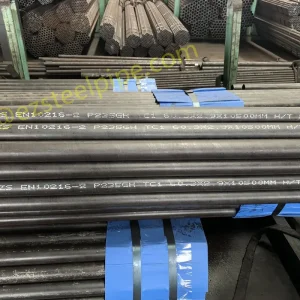
Navigating the complex landscape of international standards—such as API 5L, ASME B36.10M, and EN 10216—requires deep technical expertise. Leading manufacturers in the Chinese steel sector provide:
Regulatory Adherence
We provide full-scope documentation packages, including Material Test Reports (MTRs), mill certificates, and third-party inspection reports (TPI) from globally recognized agencies like DNV, Lloyd's, or SGS, ensuring seamless project approvals.
Customized Logistical Solutions
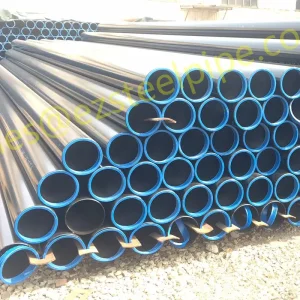
Beyond manufacturing, our comprehensive support includes specialized packaging for ocean transit, moisture-proofing for high-humidity climates, and end-to-end logistics coordination to major ports globally.
Frequently Asked Questions (FAQ)
Q: How do Chinese manufacturers ensure the quality of coated steel pipes?
A: Quality is maintained through rigorous in-process inspections (non-destructive testing like UT, X-ray, and eddy current) and post-production laboratory verification of coating thickness, holiday detection, and peel strength tests per international specifications.
Q: What is the lead time for custom coated pipeline projects?
A: Depending on the specific API/ASTM grade and coating requirement, lead times typically range from 4 to 8 weeks. We maintain inventory of common sizes and raw materials to expedite critical path projects.
Q: Can your factory handle small-batch, highly specialized custom orders?
A: Yes, our flexible manufacturing lines are designed to handle both massive infrastructure projects and specialized, small-batch requirements for industrial piping systems, ensuring the same level of E-E-A-T oversight regardless of volume.