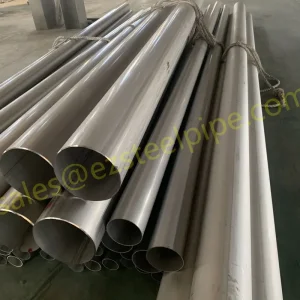
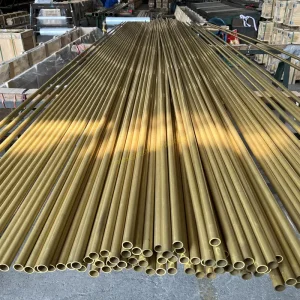
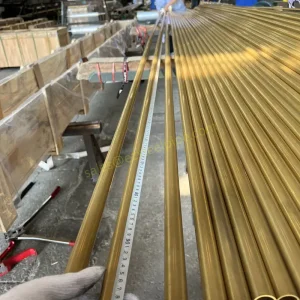
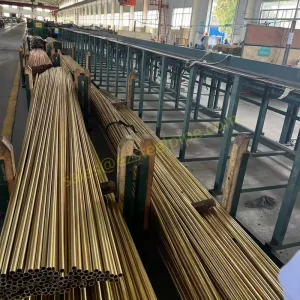
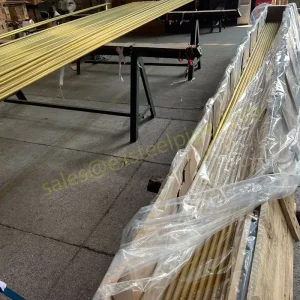
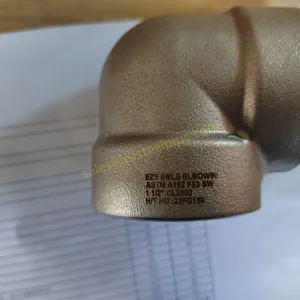
In the high-stakes world of thermal power generation and petrochemical processing, ASTM A213 tolerances are more than just numbers on a datasheet—they are the blueprint for safety and efficiency. ASTM A213 covers seamless ferritic and austenitic steel boiler, superheater, and heat-exchanger tubes. As global industries push toward higher operational temperatures and pressures, the precision of these tubes becomes critical.
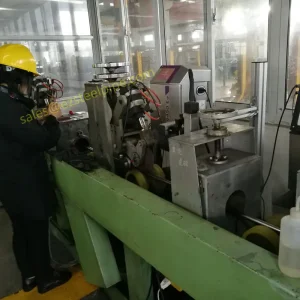
A deviation in wall thickness or outside diameter (OD) can lead to catastrophic failures in high-pressure environments. That's why leading China ASTM A213 manufacturers invest heavily in CNC technology and automated inspection lines to ensure every millimeter of the product adheres to international standards. Whether it's T11, T22, or T91 grades, the tolerance management defines the lifespan of the entire industrial infrastructure.
The global shift toward Supercritical (SC) and Ultra-supercritical (USC) power plants demands ASTM A213 tubes with ultra-tight tolerances to handle extreme heat flux.
Procurement departments are now prioritizing factories that utilize AI-driven quality monitoring to track tolerance deviations in real-time during the cold-drawing process.
In the Middle East and SE Asia, localized applications focus on high-chromium alloys within ASTM A213 to resist salt-air corrosion in coastal refineries.
When ASTM A213 tolerances are required for high-pressure service, our ASTM A192 carbon steel boiler tubes provide the perfect balance of ductility and strength. Manufactured with zero-leakage protocols and precision wall thickness control.
View SpecificationsUnderstanding the technical nuances of ASTM A213 is essential for engineers and procurement managers. This specification covers seamless ferritic and austenitic steel boiler, superheater, and heat-exchanger tubes. The tolerance requirements are generally governed by ASTM A1016/A1016M, which provides the standard requirements for ferritic alloy steel, austenitic alloy steel, and stainless steel tubes.
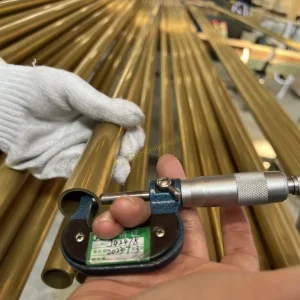
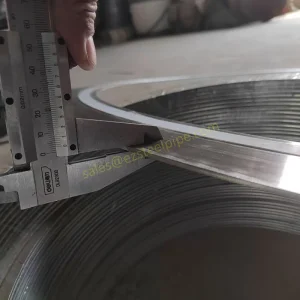
For tubes with an OD of 1.5 inches (38.1 mm) or smaller, the tolerance is typically ±0.005 inches (0.13 mm). As the diameter increases, the allowable variance also shifts. In large-scale heat exchangers, even a minor OD deviation can prevent the tube from fitting into the tube sheet, causing massive delays in assembly.
ASTM A213 specifies minimum wall thickness. This means the tube must never be thinner than the ordered thickness, though it can be slightly thicker. Usually, the tolerance is +20% / -0%. For high-precision applications, we offer "Average Wall" configurations where the tolerance is tightened to ±10%.
Standard cut lengths usually have a tolerance of +1/8 inch (3 mm) and -0. Straightness is equally vital, especially for long superheater coils, where a deviation of more than 1 in 600 can lead to uneven heating and localized "hot spots" that cause tube bursts.
The "Made in China" label in the steel industry has undergone a radical transformation. Today, China ASTM A213 suppliers like EZ Steel leverage massive economies of scale to offer premium products at competitive price points. By integrating the entire supply chain—from raw billet sourcing to the final NDT (Non-Destructive Testing)—we eliminate the markups associated with middlemen.
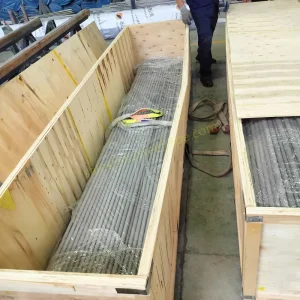
Furthermore, China's infrastructure allows for rapid shipping. Whether you are located in the port of Rotterdam, Jebel Ali, or Houston, our logistics network ensures that precision-toleranced tubes reach your site with their integrity preserved through specialized seaworthy packaging.
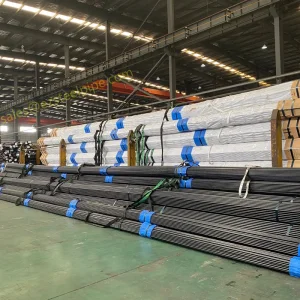
Designed for tubular heat exchangers and condensers, these cold-drawn low-carbon steel tubes meet the strictest ASTM A213-level tolerances for seamless performance. Ideal for complex transfer apparatus where precision fit is non-negotiable.
Learn More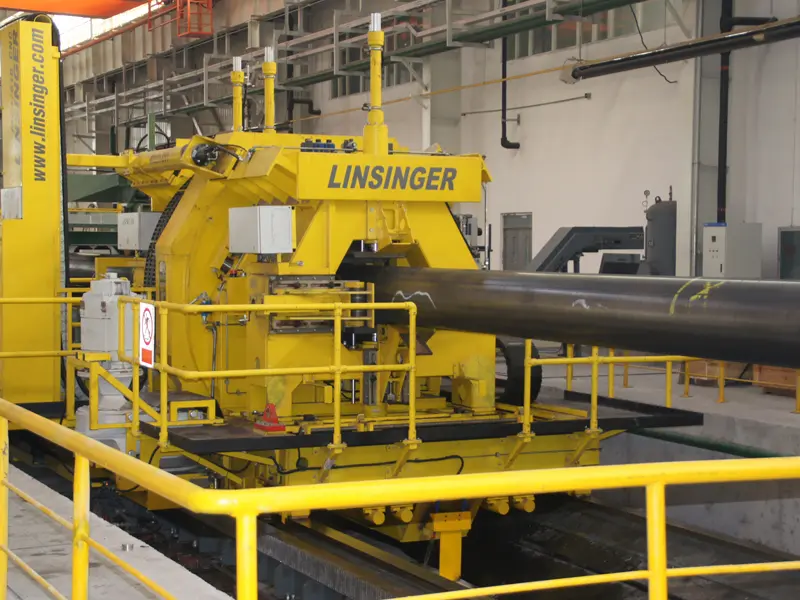
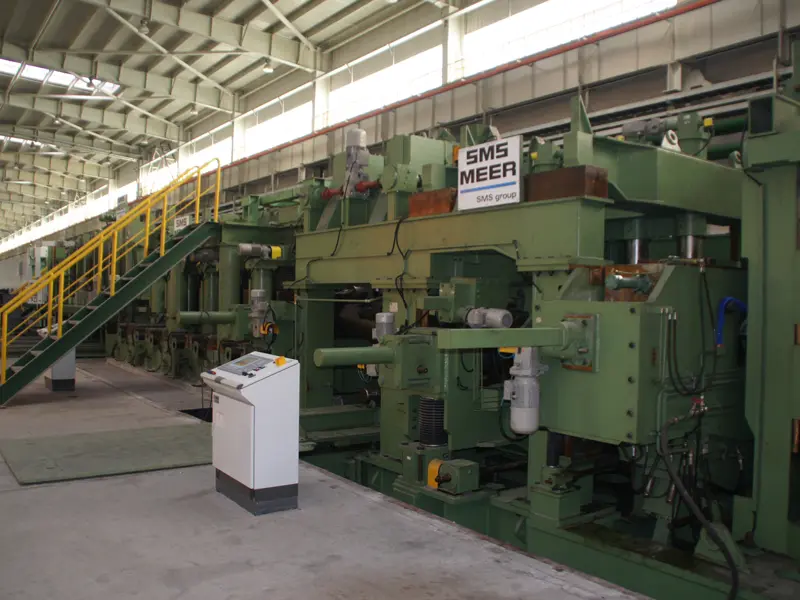
Our state-of-the-art production bases are equipped with world-class machinery, including automated pipe forming lines, CNC machining centers, and robotic welding systems. The Cangzhou facility excels in alloy steel pipe inventory management, while our Yangzhou base focuses on large-scale production of carbon and alloy steel pipes to ASTM A213 standards.
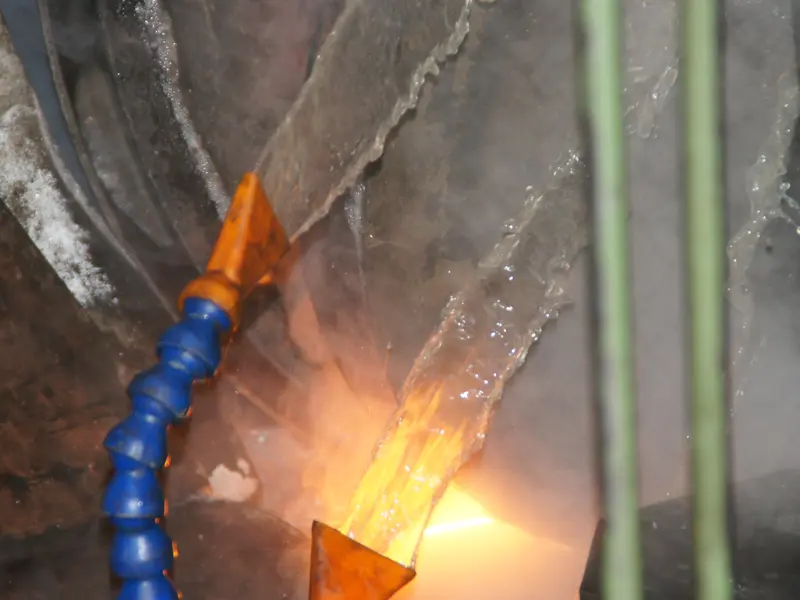
At the core of our success lies a relentless commitment to technological advancement. Our dedicated R&D center collaborates with leading universities to pioneer breakthrough solutions in material science and pipeline durability. We hold multiple patents in anti-corrosion coatings and high-temperature alloy formulations.

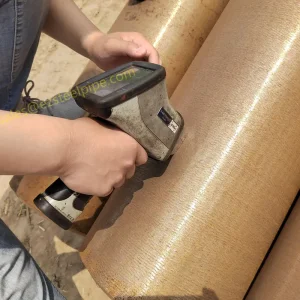
Committed to operational excellence, we maintain ISO 9001, API 5L/5CT, and PED certifications. Every ASTM A213 tube undergoes rigorous NDT inspection, including X-ray and ultrasonic testing, ensuring 100% compliance with global procurement requirements.
The versatility of ASTM A213 alloys (such as T11, T22, T5, T9, T91, and T92) allows them to be used in diverse geographic and industrial settings:
The industry is moving toward "Zero-Defect" manufacturing. Future ASTM A213 production will likely involve blockchain-tracked material certificates, where every tube's tolerance data is uploaded to a cloud-based ledger, allowing EPC contractors to verify the quality of their China factory source instantly. EZ Steel is already at the forefront of this digital transformation, integrating smart sensors into our cold-drawing benches.
 EZ STEEL