Standardized and bespoke industrial components engineered with structural integrity ratings optimized for tropical coastal deployments, sea-water reverse osmosis, and municipal pipeline systems.
Kiribati, a republic comprising 32 atolls and one raised coral island spanning across the central Pacific Ocean, presents one of the most demanding environmental challenges globally for civil infrastructure and heavy industrial piping systems. The combination of high ambient atmospheric humidity, ubiquitous airborne marine salts, and reliance on shallow groundwater lenses requires piping materials of unmatched chemical stability and structural endurance.
Historically, the republic’s local projects—specifically the South Tarawa Water Supply Project and coastal desalination initiatives—have suffered from premature pipeline degradation. Corrosion induced by highly brackish aquifers and high seawater salinity concentrations (which typically exceed 35,000 mg/L TDS) rapidly degrades low-grade carbon steel pipes and fittings. Standard ASTM A53 pipes, when exposed without cathodic protection or internal marine-grade linings, experience advanced pitting and micro-galvanic reactions, leading to system failure within fractional lifespans.
In global industrial systems, transport and process lines utilize carefully chosen chemical profiles. The selection of materials for critical environments relies on standard formulations governed by organizations like ASTM, ASME, DIN, and ISO. In offshore drilling, seawater cooling loops, and subsea pipelines, copper-nickel alloys (such as UNS C70600 - CuNi 90/10) and duplex stainless steels have emerged as the industry baseline. The inclusion of nickel and copper provides natural biofouling resistance and robust protection against chloride-induced stress corrosion cracking (SCC).
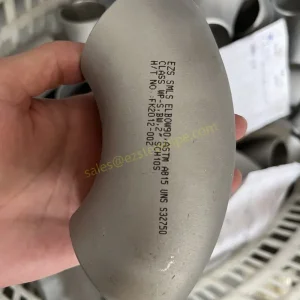
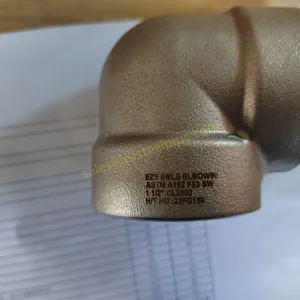
For high-pressure, elevated-temperature environments—including auxiliary municipal steam generation or localized fuel storage depots—seamless carbon steel pipes (ASTM A106 Grade B) remain the standard. However, the connection points—specifically the tees, elbows, reducers, and flanges—must match or exceed the host pipe's chemical and mechanical performance. Here, butt-welded fittings according to ASME B16.9 and forged socket fittings conforming to ASME B16.11 are used to ensure stress distribution and prevent leak paths.
EZ Steel Industrial Co., Ltd operates production lines from production hubs in Cangzhou, Yangzhou, and Lishui. These facilities deliver cost-effective, high-quality products for critical systems.
From raw billet selection through specialized extrusion, heat treatment, cold drawing, and hydrostatic verification, our production chain ensures structural integrity and material traceablity.
We offer specialized alloy combinations including EN 12451 copper-nickel seamless tubes and ASTM B111/B111M condenser elements, formulated to withstand coastal corrosion.
Integrating raw material procurement with highly efficient manufacturing lines minimizes costs, passing substantial value to projects across Kiribati and the Pacific region.
As an integrated manufacturer and trading specialist in metal piping materials, EZS stands as a premier one-stop solution provider for global clients seeking reliable, customized, and technically superior pipeline products. With decades of expertise spanning production, engineering, and project execution, we deliver unmatched value through our vertically integrated capabilities.
We maintain a strategic stock of carbon steel, alloy steel, and stainless-steel pipes across common grades (ASTM A106, A53, A312, etc.), ensuring rapid delivery for urgent project requirements. Real-time inventory tracking guarantees order accuracy and transparency.
Beyond standalone pipe supply, we provide turnkey material packages including valves, flanges, fittings, and specialty alloys. Our material engineers collaborate closely with clients to optimize specifications, reduce procurement complexities, and ensure full compliance with project standards (ASME, DIN, ISO).
This reference chart assists engineers in matching international standards with marine piping requirements:
| Specification | Material Category | Target Application Scenario | Oceanic Compatibility & Corrosion Rating |
|---|---|---|---|
| ASTM B111 / B111M | Copper & Copper-Alloy Seamless | Seawater Condensers & Evaporators | Excellent against marine bio-fouling and high-rate salt corrosion. |
| EN 10296-2 / EN 10312 | Welded Stainless Steel Tubes | Municipal Aqueous Lines & Water Treatment | Highly recommended for clean drinking water and sewage transport. |
| ASTM A106 / A192 | Carbon Steel (Seamless) | High-Temp Boiler & Auxiliary Steam Systems | Requires structural surface coatings or lining under coastal conditions. |
| ASTM B165 / B619 | Nickel-Copper Alloy (UNS N04400) | Desalination Plants & Extreme Salinity Lines | Exceptional resistance to chloride-induced stress corrosion cracking. |
Our products are engineered for specific, high-performance roles in local infrastructures:
Supplying copper-nickel and high-alloy tubing that withstands high-pressure seawater reverse osmosis filtration loops without degrading.
Supplying EN 10312 stainless steel tubes to transport drinking water safely across South Tarawa communities.
Heavy-duty ASTM A106 carbon steel lines with protective marine coatings, built for critical local fuel terminals.
Reliable butt-welding and socket fittings to handle marine runoffs, mitigating erosion risks.
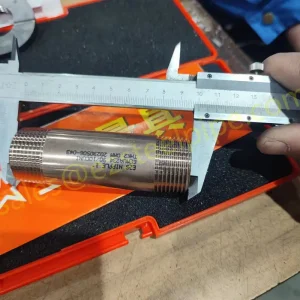
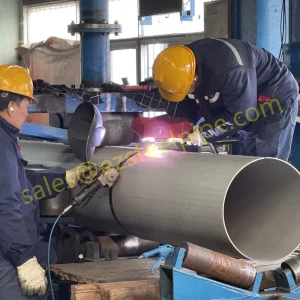
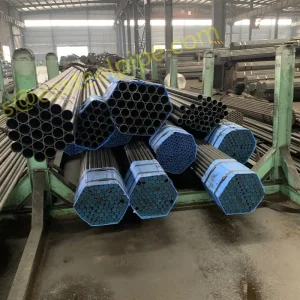
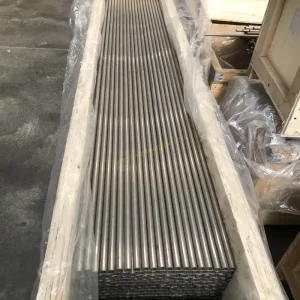
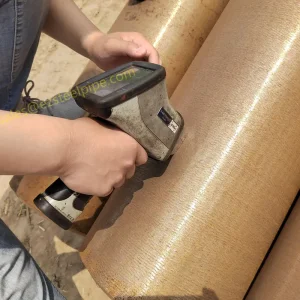
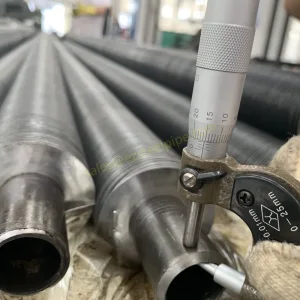
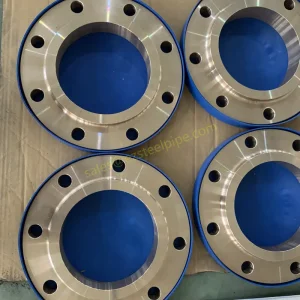
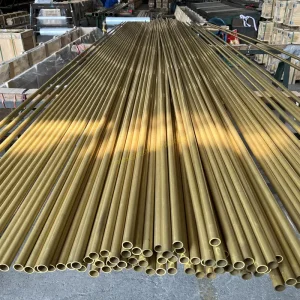
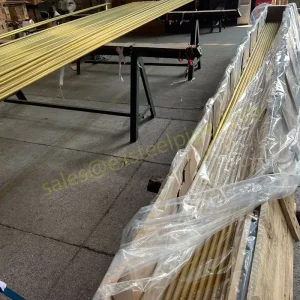
Explore our core industrial offerings, from high-grade alloy tubes to heavy-duty structural pipelines:
Piping infrastructure is evolving rapidly. Key shifts include:
1. Material Advancements for High Corrosivity: Due to climate-induced sea-level rise affecting low-lying coastal regions, modern specifications increasingly mandate Super Duplex stainless steel grades and modified Nickel-Copper alloys. These materials feature high Pitting Resistance Equivalent Numbers (PREN), protecting against localized pitting in warm, salty waters.
2. Ecological and Clean Water Mandates: As islands shift away from shallow groundwater sources to RO desalination, safe water delivery is paramount. Pipeline codes are adopting clean stainless steel options, such as EN 10312, to limit heavy metal leaching into drinking supplies.
3. Advanced Corrosion Protection Systems: Pre-insulated piping networks and factory-applied heat-shrink sleeves are replacing on-site wraps. This ensures airtight, moisture-resistant barriers before materials reach remote job sites, reducing logistics damage.
Detailed answers to key engineering and logistical questions for the Pacific region:
Connect with our engineering and logistics specialists to obtain custom quotes, material certifications, and transport scheduling options tailored for Kiribati projects.
 EZ STEEL