Engineered to exceed strict ASME, EN, DIN, and GB specifications. Explore our certified weldable selection.
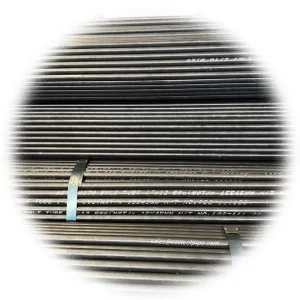
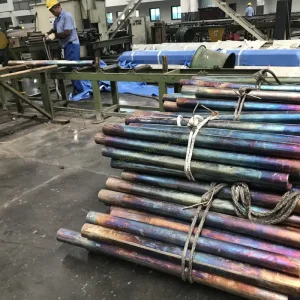
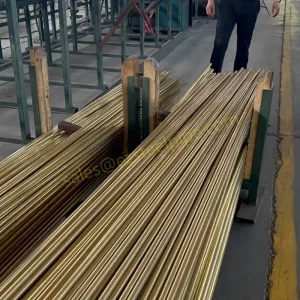
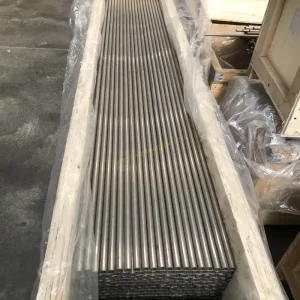
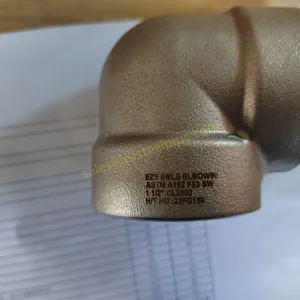
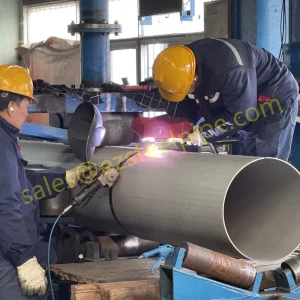
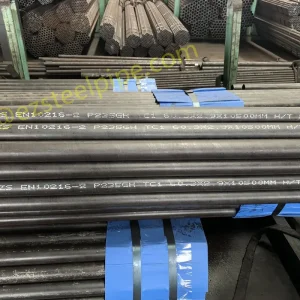
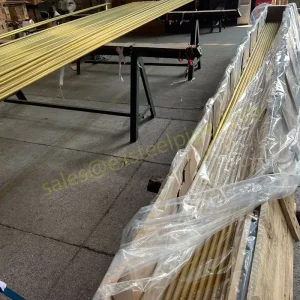
In high-pressure and high-temperature environments, the integrity of a pipeline depends entirely on its weldability. Modern industrial systems demand steel piping that can be joined without cracking, sensitization, or compromising the mechanical values of the Heat Affected Zone (HAZ).
China's premium manufacturers, such as EZ Steel Industrial Co., Ltd., have transitioned from producing simple commodity structural tubes to engineered, high-performance alloy piping. Through strict control of the carbon equivalent (CEV) index and advanced chemical refining processes (like double vacuum smelting), weldable steel pipes manufactured in Cangzhou and Yangzhou are now replacing traditional European and Japanese brands in deep-sea oil extraction, supercritical power plants, and chemical process reactors.
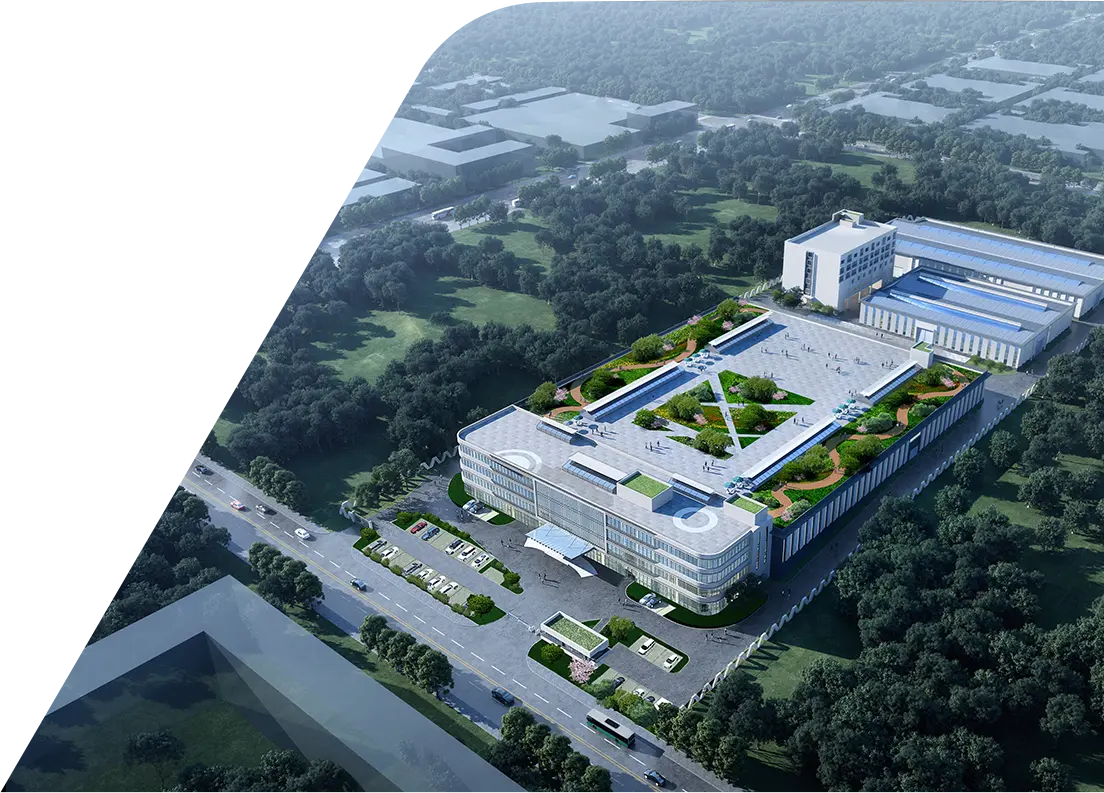

How engineering requirements and macro-economic factors are reshaping international industrial sourcing.
Traditional carbon steel pipelines are rapidly being upgraded to highly specialized grades. Project engineers working on offshore platforms and marine desalinization infrastructure require nickel-copper alloys (such as ASTM B165/UNS N04400) and nickel-iron-chromium systems (ASTM B407/UNS N08810). The weldability of these metals requires careful metallurgical design to avoid thermal cracking during Field Joint Coating (FJC) processes.
Third-party certifications like CE/PED (Pressure Equipment Directive 2014/68/EU), ABS, DNV, and Lloyd’s Register are no longer optional. Global engineering procurement contractors (EPCs) mandate that all weldable pipe suppliers provide complete trace material documentation. This includes EN 10204 3.1 or 3.2 mill test reports showing grain size analysis, tensile/hardness profiles, and Charpy V-notch impact testing at sub-zero temperatures (e.g., down to -46°C for low-temperature service grades).
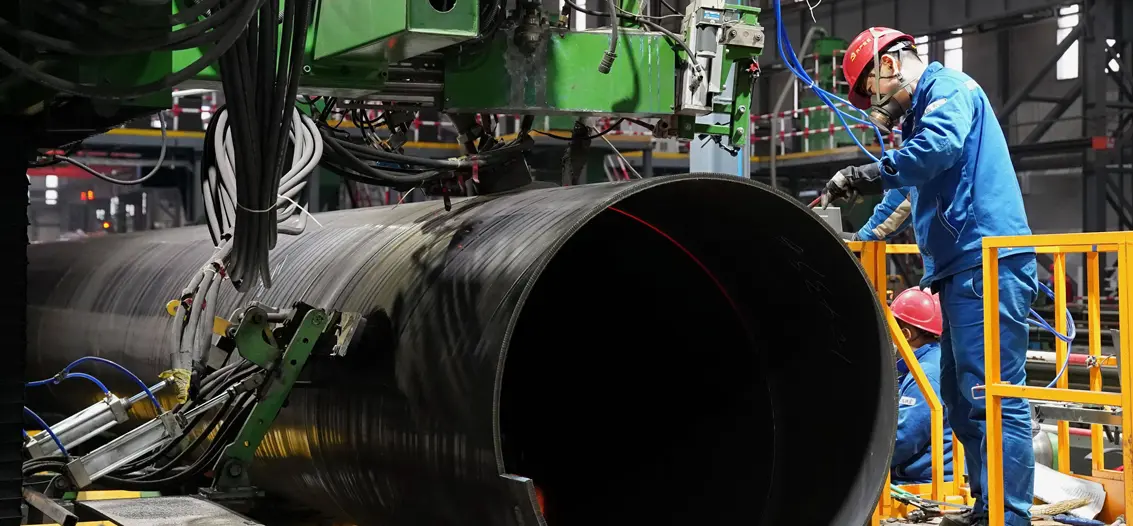
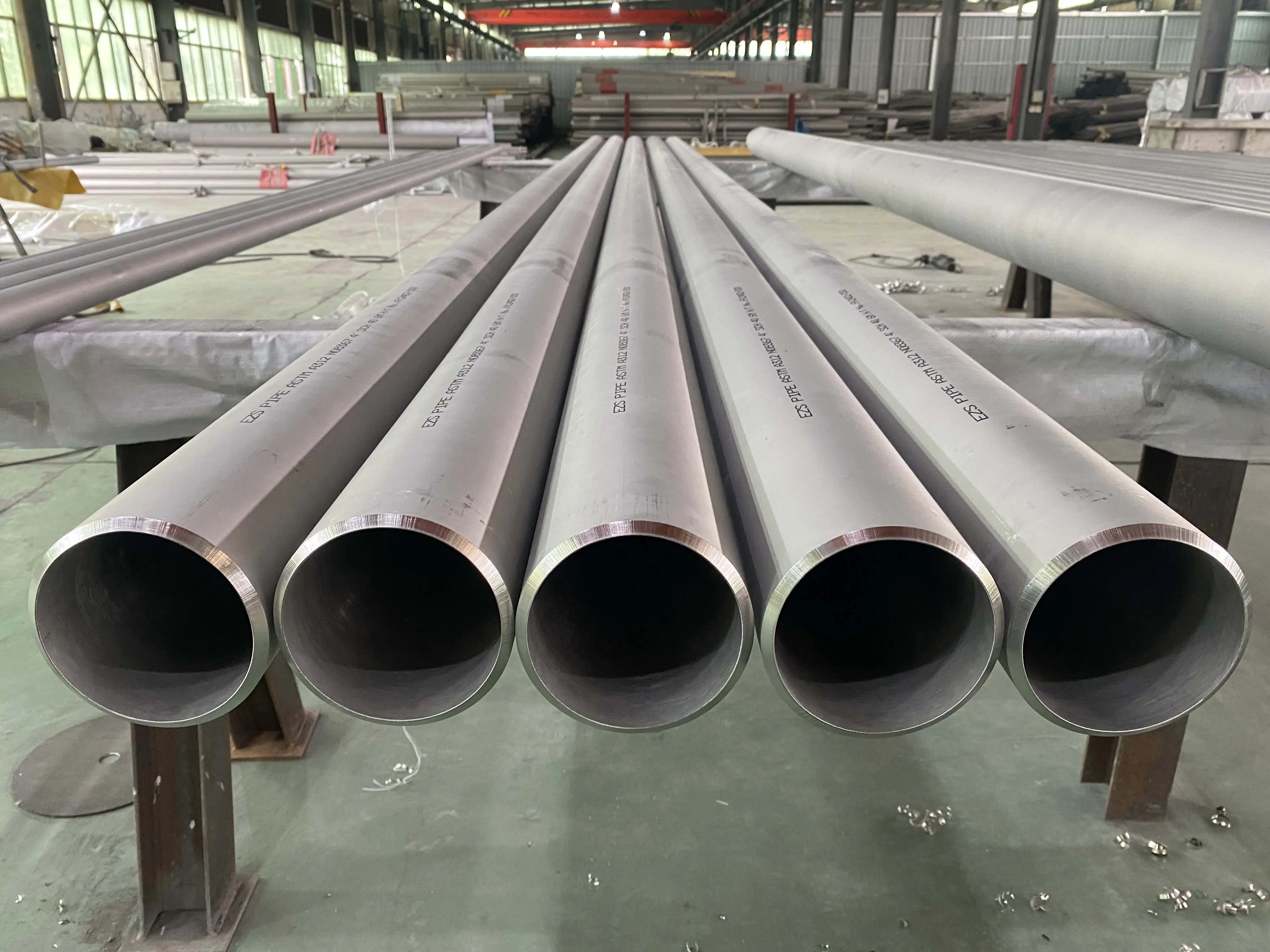
Large-diameter weldable pipes (above 16 inches) are typically manufactured using Longitudinal Submerged Arc Welding (LSAW). LSAW yields a weld joint with mechanical properties equivalent to or exceeding the parent material, thanks to multiple weld passes and precise flux composition. For extreme pressure vessels, seamless cold-drawn tubes (like ASTM A210 or EN 10216-2) provide zero seam vulnerability and superior wall-thickness tolerances, optimizing automatic orbital welding setups.
Engineered chemical, mechanical, and weldability compliance data for quick project matching.
| Standard | Material Class | Typical Grades | Weldability Index | Crucial Application Fields |
|---|---|---|---|---|
| ASTM A106/A53 | Carbon Steel (Seamless) | Grade B, Grade C | Excellent (No Preheating < 25mm) | High-temperature services, process piping |
| ASTM A210 / A192 | Medium/Low Carbon Steel | Grade A-1, Grade C | Excellent (Weldable via SMAW/GTAW) | Boiler pipes, Superheaters, Economizers |
| EN 10216-2 / EN 10296-2 | Alloy / Stainless Steel | P235GH, 1.4301, 1.4404 | High (Requires controlled heat input) | Elevated temperature pressure systems |
| ASTM B165 / B163 | Nickel-Copper Alloy | UNS N04400 (Monel 400) | Medium (Requires special filler metals) | Marine engineering, heat exchangers, chemical |
| ASTM B619 | Nickel-Cobalt Alloy | UNS N06022, N10276 | High (Low carbon prevents sensitization) | Highly corrosive chemical processing plants |

As an integrated manufacturer and trading specialist in metal piping materials, EZS stands as a premier one-stop solution provider for global clients seeking reliable, customized, and technically superior pipeline products.
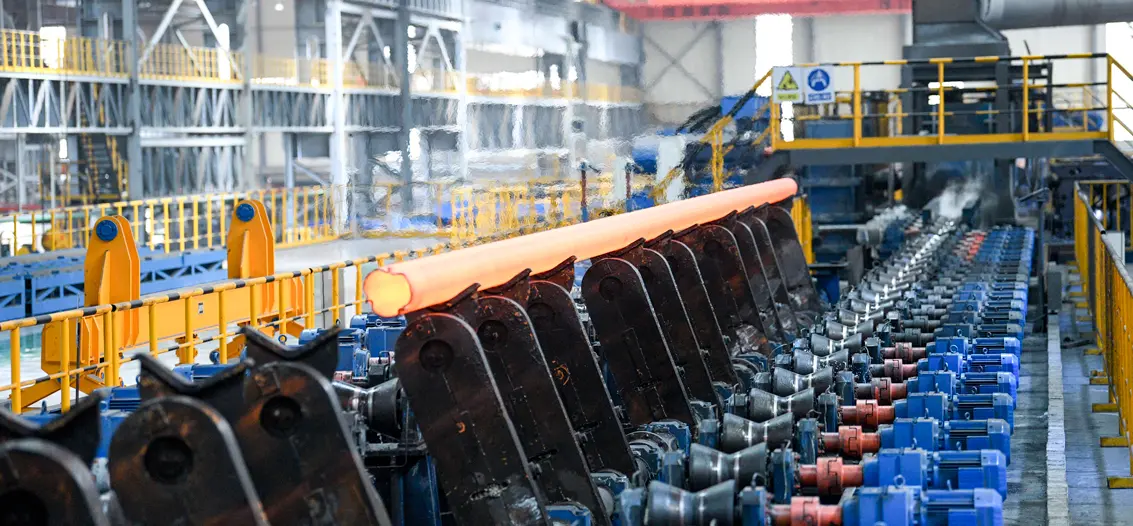
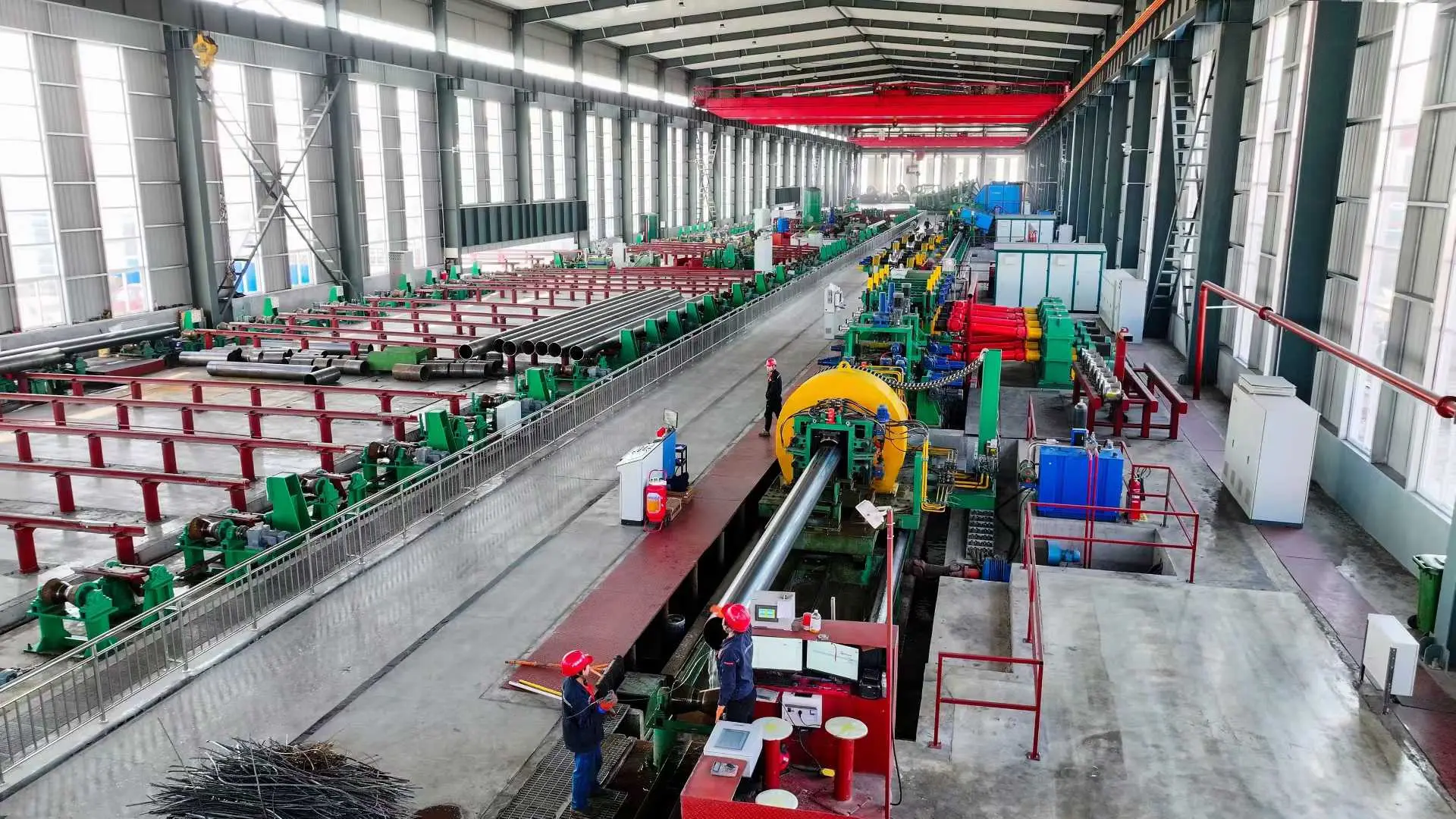
Our in-house steel pipe production facilities enable strict quality control from raw material selection to finished products. Equipped with advanced rolling, welding, and testing equipment, we manufacture API/EN/ASME-certified pipes in standard sizes while maintaining flexibility for custom dimensions.
We maintain a strategic stock of carbon steel, alloy steel, and stainless steel pipes across common grades (ASTM A106, A53, A312, etc.), ensuring rapid delivery for urgent project timelines. Real-time inventory tracking guarantees order accuracy and total transparency.
Beyond standalone pipe supply, we provide turnkey material packages including valves, flanges, fittings, and specialty alloys. Our material engineers collaborate closely with clients to optimize specifications, reduce procurement complexities, and ensure compliance with project standards.
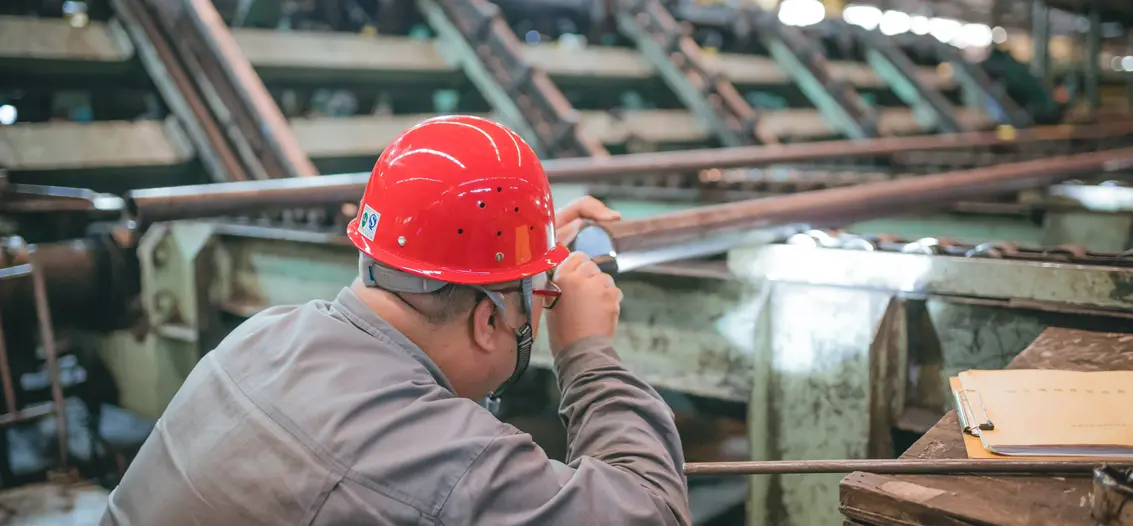
Our ISO 9001-certified laboratories conduct rigorous mechanical and chemical tests. From raw slab chemical analysis, hydrostatic testing, to ultrasonic flaw detection and Positive Material Identification (PMI), every delivery is backed by comprehensive EN 10204 3.1 mill test certificates.
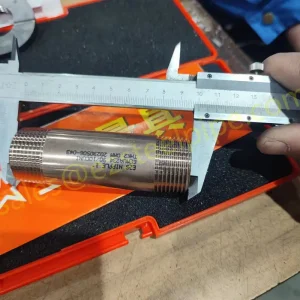
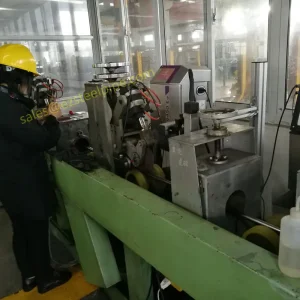
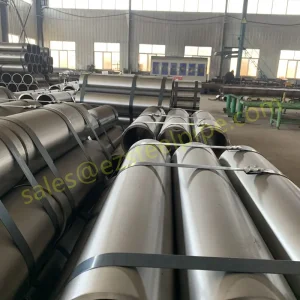
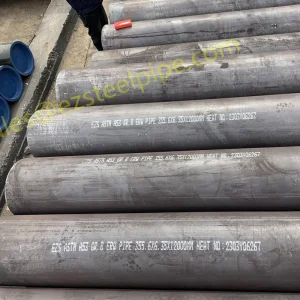
Visual guide and process descriptions detailing our daily operation procedures.
Answers to critical questions asked by procurement managers and pipeline design engineers.
Sign up for our newsletter to receive customized product news, engineering specifications, and global logistics updates.
SUBMIT INQUIRY
We specialize in carbon steel, stainless steel, and nickel-copper alloys designed for extreme environments.
Premium grades certified under international standards. Click for full mechanical properties.
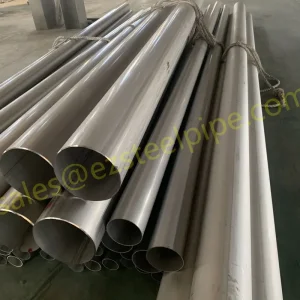
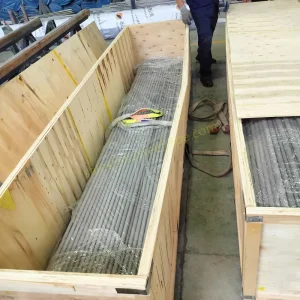
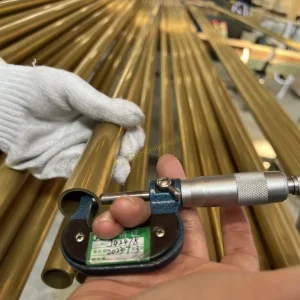
Keep track of our latest bidding wins, raw material updates, and global client delegation visits.
 EZ STEEL