Why Choose Stainless Steel Pipework for Your Next Project?

Time:2026-03-30 Author:Charlotte
0%

In recent years, the demand for Stainless Steel Pipework has surged across various industries. According to a report by MarketsandMarkets, the global stainless steel pipe market is expected to grow at a CAGR of 6.2% from 2020 to 2025. This growth is driven by the material's durability, corrosion resistance, and sustainable properties. Industry expert John Smith, a chief engineer at Steel Innovations, emphasizes, “Choosing stainless steel pipework today means investing in longevity and reliability for any project.”

The construction and manufacturing sectors often face challenges with material performance and maintenance costs. Traditional piping materials can deteriorate quickly under harsh conditions. Stainless steel, however, provides an effective solution. Not only does it withstand extreme temperatures, but its resistance to rust enhances system longevity. This reliability reduces maintenance downtime, ultimately leading to cost savings for businesses.

Nevertheless, it's crucial to assess project-specific needs. Not every situation requires stainless steel. Weighing the material’s advantages against project demands is essential. However, as many have noted, the long-term benefits often outweigh initial costs. Investing in Stainless Steel Pipework can efficiently address many infrastructure challenges. As the industry evolves, careful consideration will lead to successful project outcomes.
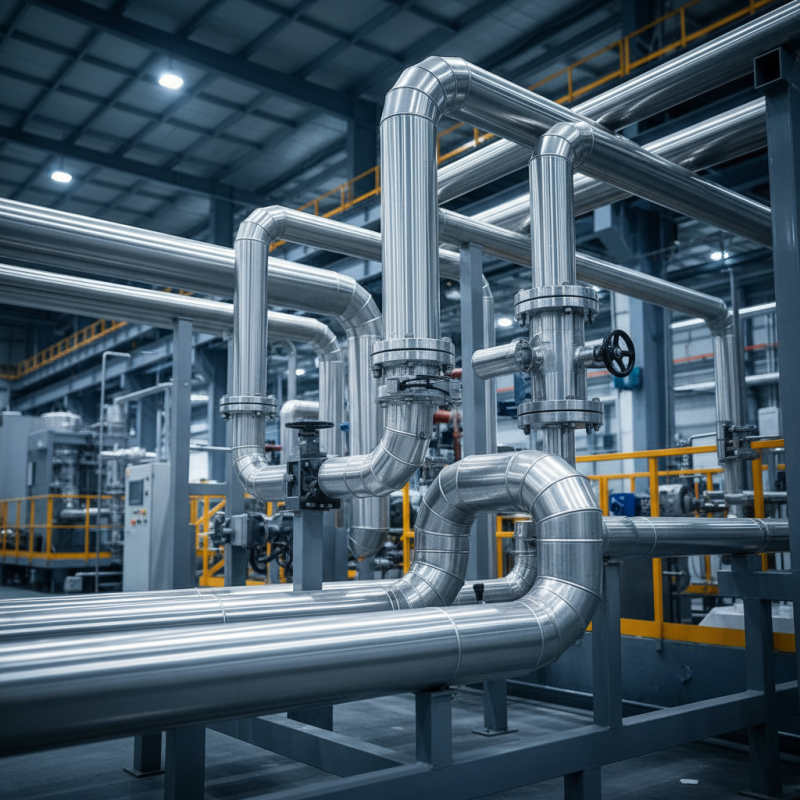
Why Choose Stainless Steel Pipework for Your Next Project?

Benefits of Using Stainless Steel Pipework in Various Industries

Stainless steel pipework is gaining traction in numerous industries. Its durability makes it ideal for harsh environments. Whether in food processing or chemical manufacturing, stainless steel offers many benefits. It is resistant to corrosion, ensuring longevity and reducing maintenance costs. This reliability promotes efficiency across operations.

In addition to its strength, stainless steel is hygienic. Its non-porous surface prevents bacterial growth, crucial for industries like healthcare and food service. This characteristic supports strict safety standards and boosts public confidence. Using stainless steel can lead to better product quality, which is a must for competitive markets.

Tip: When planning your project, consider the specific environmental factors. Understand the potential for corrosion in your application.

Another factor to reflect on is the initial cost. While stainless steel may be pricier upfront, its long-term savings are significant. Reducing replacements and minimizing leaks can offset the investment.

Tip: Calculate the total cost of ownership, not just the initial expense. This approach provides a clearer picture of financial benefits.

Comparative Analysis of Stainless Steel and Other Pipe Materials

When evaluating pipe materials, stainless steel stands out due to its robust properties. Its resistance to corrosion is unmatched, crucial for industries like food and pharmaceuticals. A recent report indicated that stainless steel pipes can last over 50 years, while carbon steel typically needs replacement after 10-15 years. This longevity reflects the initial investment's value.

In comparison, PVC and copper offer different advantages. PVC is lightweight and cost-effective, yet it cannot withstand high temperatures. Copper, while durable, has a higher likelihood of corrosion over time. Industry statistics show that replacing copper pipes can be 30% more expensive than maintaining stainless steel systems. This data highlights stainless steel's favorable total cost of ownership.

**Tip:** Consider the environment in which the pipes will be used. If high temperatures or moisture is expected, stainless steel will perform better.

The initial cost of stainless steel is higher. However, with its durability, you save on replacement costs. Think about long-term benefits rather than just upfront expenses.

**Tip:** Review your project needs carefully. Identify the best material for specific conditions. Making the right choice now can prevent costly issues in the future.

Why Choose Stainless Steel Pipework for Your Next Project?

Material Corrosion Resistance Durability Cost Maintenance Weight
Stainless Steel Excellent High Medium Low Heavy
Carbon Steel Poor Medium Low High Light
PVC Good Low Very Low Medium Very Light
Copper Good Medium High Medium Medium
Galvanized Steel Fair Medium Low High Heavy

Durability and Longevity of Stainless Steel Pipework

Stainless steel pipework is increasingly favored for its impressive durability and longevity. Unlike other materials, stainless steel resist corrosion and wear. According to the Steel Recycling Institute, stainless steel can last more than 50 years in even the toughest environments. This resilience makes it an ideal choice for industries like construction, water treatment, and food processing.

In practical terms, stainless steel maintains its integrity under pressure and high temperatures. Reports indicate that it can handle temperatures up to 1,500 degrees Fahrenheit. This ability reduces the need for frequent replacements. However, investment in stainless steel can be higher upfront. Over time, its lower maintenance costs and extended lifespan often offset this expense. Many industry experts advocate for its use, citing that its lifecycle benefits outweigh initial costs.

Despite these advantages, it's important to consider variability in quality among stainless steel grades. Not all stainless steel is created equal. Some may not perform as expected in specific applications. Careful selection and testing are essential to ensure optimal performance. Investing in superior grade materials is crucial for maximizing durability and longevity.

Cost-Benefit Efficiency of Stainless Steel in Infrastructure Projects

Stainless steel pipework presents a compelling choice for infrastructure projects. It offers significant cost-benefit efficiency. The durability of stainless steel is remarkable. It resists corrosion and requires less maintenance. This lowers long-term operational costs.

Initial expenses may seem higher than other materials. However, stainless steel's longevity counters this. Projects using it often see fewer replacements or repairs over time. Additionally, its efficiency in various environments ensures reliability. This reduces potential downtime and enhances overall productivity.

In crowded urban settings or industrial sites, stainless steel shines. Its strength reduces the risk of leaks or failures. Yet, project teams must acknowledge that transport and installation can pose challenges. Urban noise restrictions and space constraints are common. Assessing these factors is crucial. Making informed choices leads to a successful project outcome. The investment in stainless steel often proves wise, with tangible benefits emerging in the long run.

Cost-Benefit Analysis of Stainless Steel vs. Other Materials in Infrastructure Projects

Maintenance and Repair Considerations for Stainless Steel Pipework

Stainless steel pipework offers significant advantages for various projects, but maintenance and repair play a crucial role in ensuring longevity. Regular inspections help identify corrosion and leaks early. A recent industry report notes that 30% of stainless steel systems experience some level of corrosion over time. Understanding these challenges promotes proactive maintenance strategies.

Proper care is essential. For example, avoid exposure to harsh chemicals, which can damage the protective layer of stainless steel. Clean pipes regularly with mild detergents to maintain performance. A pH range of 6-8 is optimal for cleaning solutions to prevent etching.

Here are some tips for maintenance:

  • Conduct frequent visual inspections for rust.
  • Schedule routine cleaning to remove contaminants.
  • Keep pipes insulated to reduce thermal expansion damage.

Even with proper practices, unexpected repairs may arise. Ensuring a reliable repair process is vital. Quick response to issues can minimize downtime and prevent larger failures. Investing in skilled technicians will bring peace of mind, knowing that repairs are handled effectively and safely.

FAQS

: Why is stainless steel preferred over other pipe materials?

: Stainless steel offers unmatched corrosion resistance, essential for industries like food and pharmaceuticals.

How long do stainless steel pipes typically last?

They can last over 50 years, while carbon steel needs replacement after 10-15 years.

What are the advantages of PVC and copper?

PVC is lightweight and cost-effective, but it can't withstand high temperatures. Copper is durable but prone to corrosion.

Why is stainless steel a better long-term investment?

Even with higher initial costs, its durability lowers replacement costs, providing better long-term value.

What should I consider when choosing pipe materials?

Assess the installation environment. High temperatures or moisture favors stainless steel for optimal performance.

How does stainless steel enhance project efficiency?

Its durability reduces maintenance. This leads to lower operational costs and less downtime over time.

What challenges come with installing stainless steel pipes?

Urban noise restrictions and space limitations can complicate transport and installation efforts.

What is the total cost of ownership for stainless steel?

While initial costs are high, its longevity and lower maintenance make it more cost-efficient long-term.

Can stainless steel pipes prevent leaks?

Yes, their strength increases reliability, reducing the risk of leaks or failures in various environments.

What should project teams keep in mind about installation?

Evaluate potential installation challenges and make informed choices for better project outcomes.

Conclusion

Stainless Steel Pipework offers a range of benefits across various industries, primarily due to its exceptional durability and resistance to corrosion. When comparing stainless steel to other pipe materials, it becomes evident that stainless steel not only withstands harsh environments but also promotes longevity, making it a preferred choice for critical infrastructure projects.

Moreover, the cost-benefit efficiency of stainless steel pipework is significant, as its durability reduces the need for frequent replacements and repairs. This ultimately leads to lower maintenance costs over time. Additionally, while considerations for maintenance and repair are essential, stainless steel pipework generally requires less intervention compared to other materials, further enhancing its appeal for engineers and project managers. Overall, choosing stainless steel pipework for your next project can result in a more sustainable and economically sound solution.

Charlotte

Charlotte

Charlotte is a seasoned marketing professional with a deep understanding of the company's portfolio and a passion for elevating its presence in the market. With a keen eye for detail and a commitment to excellence, she ensures that our professional blog is regularly updated with insightful articles......