Toilet Flange Installation Tips Inside or Outside Pipe?

Time:2026-05-03 Author:Sienna
0%

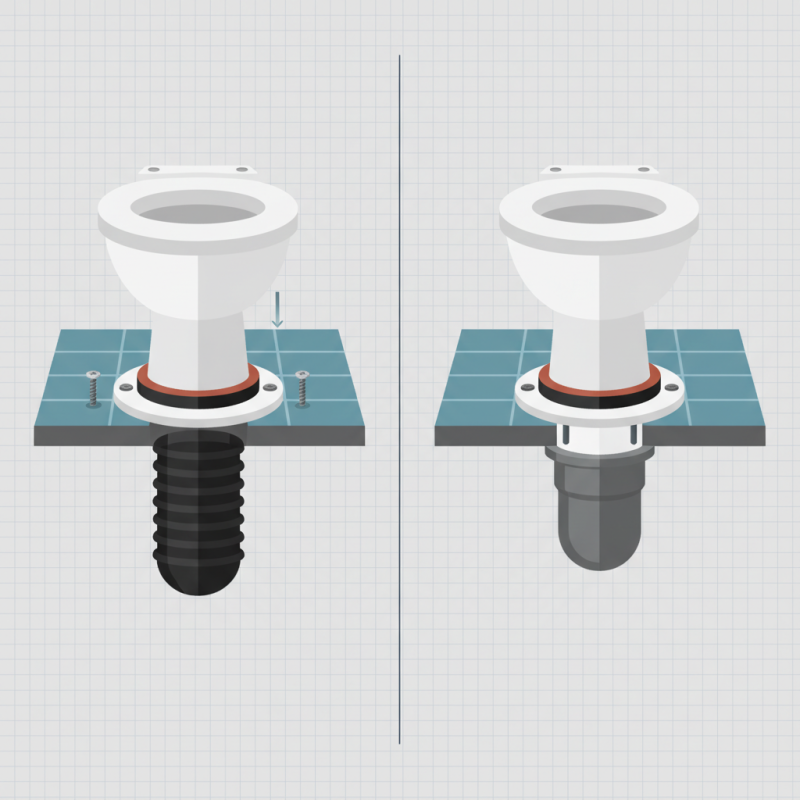
When installing a toilet flange, one question often arises: does toilet flange go inside or outside pipe? Understanding the correct placement is crucial for a secure fit and reliable plumbing. A flange that is improperly installed can lead to leaks and other plumbing issues, causing unnecessary frustration and repairs.

To clarify this essential aspect, it's important to consider the design and function of the flange. Many professionals suggest installing the flange on the outside of the pipe. This provides better support and stability for the toilet. However, some older systems may require it to be placed inside the pipe for compatibility. Knowing which method suits your bathroom setup is essential.

Navigating these installation methods can be daunting. It's easy to overlook details or misinterpret guidelines. Take the time to assess the unique aspects of your plumbing system. Whether you choose to follow established practices or explore alternative approaches, careful consideration is key. Ultimately, proper installation will save you from potential problems down the line.
Toilet Flange Installation Tips Inside or Outside Pipe?

Toilet Flange Overview: Importance and Function

The toilet flange plays a crucial role in any bathroom. It connects the toilet to the drain pipe, providing stability and a secure seal. This ensures that waste is properly directed into the plumbing system. A well-installed flange prevents leaks, which can damage floors and promote mold growth.

Understanding the function of the flange is vital. It not only supports the toilet but also helps in maintaining a proper wax seal. When the flange is installed correctly, it minimizes the risk of odors and sewage backup. Yet, improper installation can lead to issues. Many homeowners overlook the level of the flange relative to the finished floor. This oversight can cause future problems, like wobbling toilets or persistent leaks.

Inspection and maintenance are essential. Regularly check the flange for corrosion or damage. An unreliable flange might need adjustments, or even replacement. Choosing to install the flange inside or outside the pipe can affect its longevity. Taking the time to ensure a proper fit can save you from costly repairs down the line. Planning and preparation are key to a successful installation.

Choosing the Right Type of Toilet Flange

When choosing a toilet flange, the material matters. PVC flanges are popular because they resist corrosion. They also fit well with PVC drain pipes. However, they may not bond perfectly with cast iron pipes. This mismatch can lead to leaks. Installers should consider these factors carefully.

Metal flanges, like those made from stainless steel, offer strength. They can withstand heavy usage and resist rust. Yet, they can be more difficult to install. If the flange isn't perfectly leveled, it causes stability issues. A loose flange can lead to wobbling toilets, which is frustrating.

Placement is crucial. An inside installation can provide a more secure fit. It allows for tighter seals and easier maintenance. But an outside installation may be necessary in certain layouts. Each project is unique, and careful consideration is key. Always evaluate the specific circumstances before making a final decision.

Toilet Flange Installation Tips Inside or Outside Pipe? - Choosing the Right Type of Toilet Flange

Type of Toilet Flange Installation Location Material Pros Cons
PVC Flange Inside Pipe PVC Durable, resistant to corrosion Can be brittle in extreme conditions
Wax Ring Flange Outside Pipe Wax Creates a watertight seal Can degrade over time, requires replacement
Metal Flange Varies Steel Strong, long-lasting Can rust if not properly coated
Flanged Coupling Inside Pipe Flexible PVC Easier to install, adjustable Less rigid, may shift over time

Installation Location: Inside vs. Outside Pipe Analysis

When deciding on toilet flange installation, the location—inside or outside the pipe—plays a crucial role. Research indicates that installing the flange inside the pipe can lead to stability issues. The American Society of Plumbing Engineers (ASPE) notes that an outside installation is generally preferred for better support and alignment. Outside installations provide a solid base, reducing the risk of leaks and enhancing the longevity of your plumbing.

However, some concerns arise with outside installations. Limited space can complicate the process, making precise alignment a challenge. The National Association of Home Builders (NAHB) highlights that inadequate installation can lead to serious problems, including future costs. Improper placement can also make future repairs difficult. Therefore, it's essential to consider not just the immediate benefits but also the long-term implications of your installation choice.

While most experts recommend the outside installation for its advantages, it’s not universally applicable. Each plumbing system has unique characteristics that must be evaluated. Choosing between inside and outside installation often depends on the specific layout of your bathroom and the condition of existing pipes. This analysis should incorporate professional advice and field data. Therefore, careful planning is necessary to ensure optimal functionality and reliability.

Step-by-Step Guide to Installing a Toilet Flange

Installing a toilet flange might seem daunting, but with careful steps, you can achieve a secure fit. Start by gathering necessary tools: a wrench, screwdriver, and pipe cutter. Ensure you have a clean work area. The flange supports the toilet and connects it to the plumbing. Therefore, its proper installation is crucial.

Measure the existing pipe. The flange must sit flat against the floor, either on the pipe or surrounding it. If the toilet flange is too high, you may need to cut the pipe. Remember to leave some height for alignment with the toilet. An improperly positioned flange could lead to leaks. Use gaskets to create a tight seal and avoid future issues.

After placing the flange, use screws to secure it to the floor. This step is essential for stability. Re-check alignment with the toilet base. If there's any wobbling, rethink your installation. You might need to shim the flange or adjust the screws. Ensuring a solid installation is key to proper toilet function.

Toilet Flange Installation Tips

Common Mistakes to Avoid During Flange Installation

Toilet flange installation can be tricky. Many common mistakes can lead to leaks or misalignment. One major error occurs when the flange is not level. An uneven flange can cause gaps, which lead to leaks. Always check the level before securing it. Use a carpenter's level to ensure accuracy.

Another frequent issue is using the wrong screws. Some people choose long screws, thinking they provide better hold. However, screws that are too long can penetrate into the drain pipe, creating serious problems. The optimal length should only penetrate through the flange and into the floor.

Additionally, ignoring the wax ring often leads to problems. Some homeowners attempt to skip this step. A proper wax seal prevents leaks. Always install a new wax ring with each flange installation. Not doing so can result in unpleasant odors and water damage.

Flange installation requires attention to detail. Each small mistake can magnify into bigger issues. Consider consulting resources or professionals if unsure.

FAQS

: What is the main function of a toilet flange?

: The toilet flange connects the toilet to the drain pipe, ensuring stability and a secure seal.

Why is proper installation of the flange important?

Correct installation minimizes odor risks and prevents sewage backups or leaks.

How can improper flange installation affect a toilet?

It may lead to wobbling toilets or persistent leaks, which can be frustrating.

What should homeowners regularly check on their toilet flange?

Inspect the flange for corrosion or damage to ensure it remains reliable.

What materials should be considered when choosing a flange?

PVC is corrosion-resistant, while metal offers strength but can be harder to install.

What is a potential issue with PVC flanges?

They might not bond well with cast iron pipes, leading to possible leaks.

How can flange placement impact installation?

Inside installation offers a secure fit, while outside may suit certain layouts better.

Why is planning important for flange installation?

It helps avoid costly repairs by ensuring a proper fit and addressing specific circumstances.

What happens if a flange is not perfectly leveled?

It can cause stability issues, leading to a wobbly toilet.

Is it easy to install metal flanges?

No, they can be more difficult to install compared to other materials.

Conclusion

The article titled "Toilet Flange Installation Tips Inside or Outside Pipe?" provides a comprehensive guide on the critical role of a toilet flange in plumbing systems. It emphasizes the importance and function of flanges, helping readers understand their vital contribution to maintaining a proper seal between the toilet and the drainage pipe. One of the key discussions centers around whether "does toilet flange go inside or outside pipe," exploring the advantages and disadvantages of each installation method.

The guide further outlines the process of selecting the right type of toilet flange and offers a detailed step-by-step installation procedure. Additionally, it highlights common mistakes to avoid during installation, ensuring that readers can successfully complete the task without complications. Overall, this article serves as a valuable resource for both DIY enthusiasts and those looking to understand the complexities of toilet flange installation.

Sienna

Sienna

Sienna is a skilled marketing professional with a deep expertise in our company’s core products and services. With a passion for innovation and detail, she plays a pivotal role in crafting insightful blog posts that not only highlight the unique features of our offerings but also provide valuable......