In plumbing installations, the question often arises: does the toilet flange get glued to the pipe? Understanding the answer is crucial for a successful bathroom setup. The toilet flange serves as a critical connection point between the toilet and the waste pipe. According to the National Kitchen and Bath Association, improper installation of toilet components can lead to costly leaks and repairs.
Several industry sources suggest that a secure flange connection can prevent future plumbing issues. In many cases, flanges are secured using bolts. However, some installers debate the use of adhesives. While gluing may seem like a more secure option, it can complicate future repairs. For instance, plumbing professionals recommend avoiding permanent bonds for toilet flanges, as this can hinder necessary replacements.
Installation practices can vary widely. Factors like pipe material and flange type may influence the decision to glue. It's vital to weigh the pros and cons. Ensuring that all components work harmoniously can help extend the life of your plumbing system. Ultimately, understanding if and how to glue a toilet flange is essential for a dependable toilet installation.
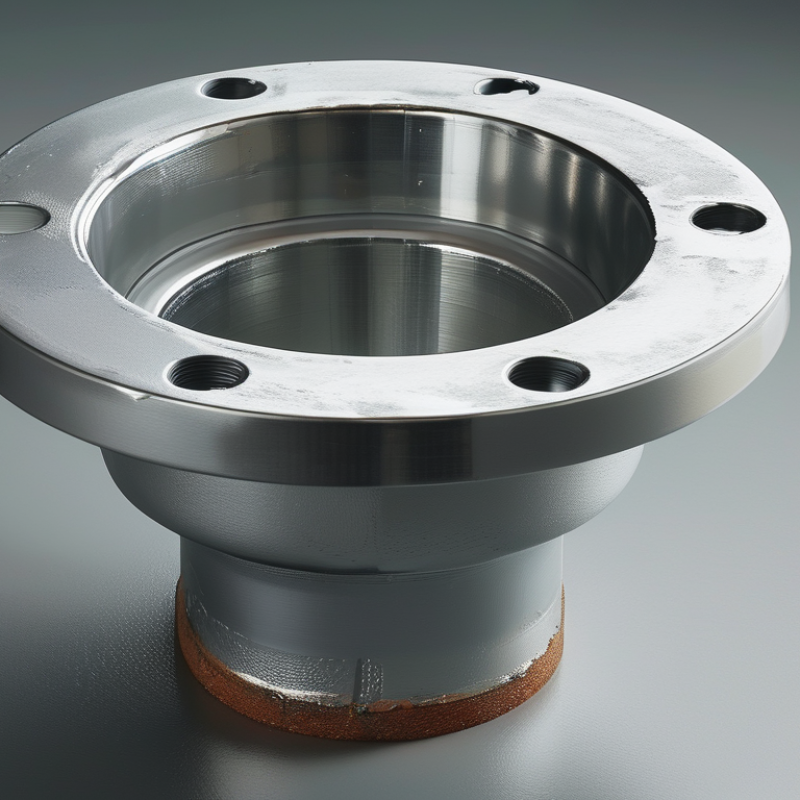
Toilet flanges play a crucial role in plumbing systems. They anchor the toilet to the floor and connect it to the drainage pipe. Proper installation is vital for preventing leaks and ensuring the toilet remains stable. Flanges can be either PVC or metal, each with unique properties and installation methods.
When installing a toilet flange, it's essential to ensure the flange sits level on the subfloor. An uneven flange can lead to leaks or a wobbly toilet. Some may wonder if the flange needs to be glued to the pipe. Typically, this is not necessary. The flange uses bolts to secure the toilet and relies on compression to seal the connection with the pipe. Over time, mud and debris can settle around this joint, making it vital to check the connection periodically.
For successful installation, use a wax ring to create a seal. If the surrounding area is not level, shims can help stabilize the base. Don't skip these steps; they are critical for a long-lasting installation. Regular inspection of the flange for cracks or corrosion can prevent significant plumbing issues down the road. Keeping the area clean and dry will also extend the lifespan of the flange and maintain a leak-free toilet experience.
When discussing toilet flanges, it's crucial to know the different types and their installation methods. Flanges typically come in two main types: the PVC flange and the metal flange. PVC flanges connect directly to the pipe without the need for additional fittings, while metal flanges may require extra tools for secure installation. Understanding these differences can guide you in making the best choice for your project.
Proper installation is key. PVC flanges should fit snugly over the pipe. Make sure to check for proper alignment before securing it. Sometimes, a little misalignment can lead to significant issues later, such as leaks. Metal flanges, on the other hand, often come with bolts that need to be tightened carefully. Over-tightening can cause breakage; thus, find a balance.
When installing a toilet flange, consider the floor type. A concrete floor may necessitate a different approach than a wooden one. Sometimes, elevation differences can arise after installation, which may require extra materials for correction. Testing the flange's stability before adding the toilet is wise. Always ensure it is level to prevent future complications.
The installation of a toilet flange involves crucial steps to ensure a secure fit. While it may seem tempting to use adhesives for extra stability, the role of glue in this process is often misunderstood. Generally, toilet flanges should be securely anchored to the floor rather than glued to the drain pipe. This allows for easier removal and adjustments in the future.
When installing, ensure the flange is level and fits snugly against the pipe. If you choose to use adhesive, consider its long-term implications. An improper seal can lead to leaks, which could damage your flooring. Use a wax ring or repair putty to create a reliable connection instead.
It’s wise to remember that not all adhesives are created equal. Some may break down over time, especially when in contact with moisture. Regular inspections can help identify any wear or faults. A proactive approach can save you headaches down the line. If you’re uncertain, consulting with plumbing professionals can provide clarity on the best practices for your specific installation.
| Installation Method | Use of Adhesive | Commonly Used Adhesives | Recommended Applications | Potential Issues |
|---|---|---|---|---|
| PVC Flange Installation | Yes | PVC Cement | Residential and Commercial Toilets | Risk of improper bonding |
| Cast Iron Flange Installation | No | N/A | Older Buildings | Corrosion over time |
| Stainless Steel Flange Installation | Optional | Loctite Epoxy | High Humidity Areas | Adhesive curing time |
| Wax Ring Installation | No | N/A | Standard Residential Toilets | Potential leaks if not aligned |
Installing a toilet flange correctly is crucial for plumbing stability. The flange connects the toilet to the waste pipe, ensuring a secure fit. Many homeowners wonder if the flange should be glued to the pipe during installation. Industry experts recommend against gluing in most cases. This allows for easier future repairs, should plumbing issues arise.
Begin by measuring the opening in the floor where the flange will sit. Ensure the waste pipe is at the correct height. Most professionals suggest using a wax ring or toilet seal for a tight fit. A common mistake is misaligning the flange, which can lead to leaks. Installing the flange with screws at the right spacing helps maintain stability.
When working on a toilet installation, check local building codes for guidance. Many reports indicate that improper flange installation can lead to costly repairs down the line. Always use stainless steel screws to prevent rusting. If unsure about your installation, consulting a licensed plumber can provide peace of mind.
When installing toilet flanges, avoiding common mistakes is crucial. Many DIYers overlook the importance of ensuring a perfect fit between the flange and the pipe. According to industry studies, improper alignment leads to over 30% of toilet leaks. These leaks can result in serious water damage and costly repairs.
One frequent error is not securing the flange appropriately. Some installers believe that a bead of adhesive is sufficient. However, this can be misleading. Research indicates that flanges should primarily rest on a stable surface like the subfloor for a solid base. Adequate mechanical fastening is essential for stability.
It’s vital to check the height of the flange, too. A flange that is too high or low can create issues with the toilet seal. This may cause problems over time. Measuring the distance from the finished floor to the center of the pipeline can prevent alignment issues.
Ensure that the flange is level. A tilted flange can compromise the toilet's effectiveness and lead to cracks over time. Learning from previous installations can help you avoid making the same mistakes. Staying informed about best practices will ensure a successful installation.
: The two main types are PVC flanges and metal flanges.
PVC flanges connect directly to the pipe without needing extra fittings.
Ensure it fits snugly over the pipe and check for proper alignment.
Misalignment can lead to leaks and significant issues later, causing potential damage.
Experts recommend against gluing to allow for easier repairs in the future.
Use bolts and avoid over-tightening to prevent breakage.
You'll need a wax ring or toilet seal and stainless steel screws for durability.
Measuring ensures proper height and alignment, preventing issues with leaks and toilet seal.
Maintain a perfect fit between the flange and the pipe. Avoid common mistakes.
A tilted flange can lead to cracks and affect the toilet’s effectiveness over time.
In understanding the installation of a toilet flange, it’s important to recognize its function in plumbing and the various types available. The question, "does the toilet flange get glued to the pipe," often arises as we delve into the role of adhesives in the installation process. While some methods may involve gluing, others utilize wax seals or bolts to secure the flange to the toilet and the floor.
A step-by-step guide to installing a toilet flange correctly is essential for preventing common mistakes, such as improper alignment or inadequate sealing. Knowing the correct installation method for the type of flange being used can significantly impact the functionality and longevity of the toilet installation. Thus, understanding these aspects is crucial for both DIY enthusiasts and professional plumbers.

EZ STEEL