When tackling plumbing projects, understanding how to connect toilet flange to sewer pipe is crucial. This process ensures your toilet operates effectively, preventing common issues like leaks or odors. Many homeowners overlook the importance of a proper flange installation, leading to costly repairs later.
Successfully connecting the flange requires attention to detail and a solid grasp of plumbing principles. The toilet flange serves as a critical link between your toilet and the sewer line, so precision matters. Improper alignment or insufficient sealing can result in frustrating problems.
Instilling proper techniques from the beginning will ensure long-lasting results. Keep in mind that even experienced plumbers occasionally face hurdles. This article will guide you through essential tips that enhance your confidence and skill when connecting toilet flanges to sewer pipes.
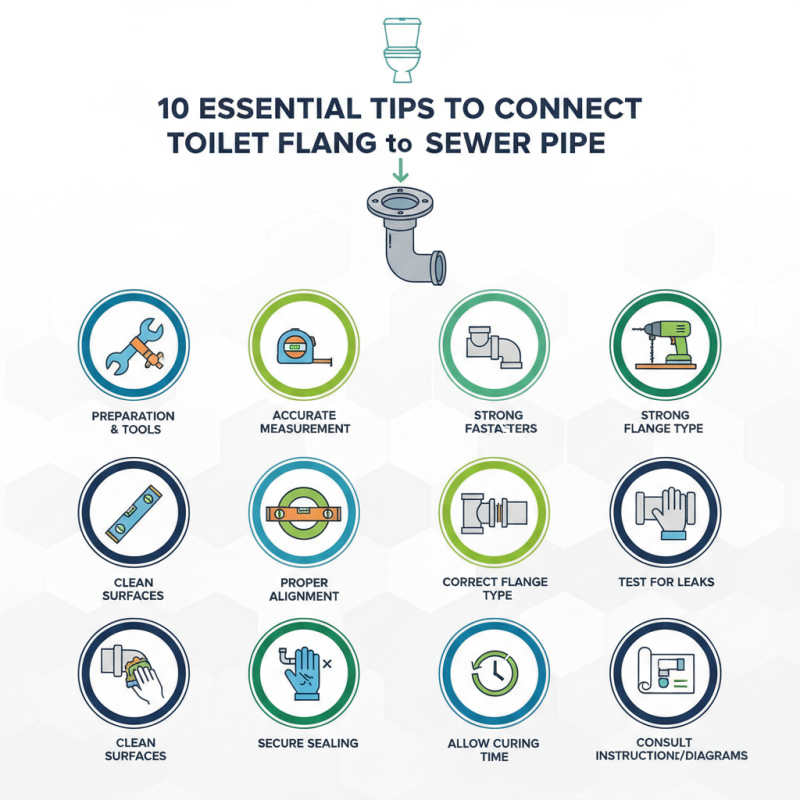
The toilet flange plays a crucial role in plumbing systems. It forms the connection between the toilet and the sewer pipe. This component secures the toilet in place while allowing waste to flow effectively into the drainage system. Typically made of PVC or metal, the flange ensures a watertight seal, preventing leaks and foul odors from seeping into your bathroom.
It is important to understand that not all flanges are created equal. Sometimes, older homes may have worn-out or rusted flanges that can compromise the integrity of the plumbing. This is where expertise comes into play. A properly installed toilet flange can mean the difference between a successful installation and ongoing plumbing issues. Beginners often overlook the importance of ensuring a level surface for the flange, which can lead to frustrating leaks down the line.
In some cases, the wrong flange height can cause instability. If the flange is too high or low, it won’t properly connect to the sewer pipe, leading to potential problems. A careful inspection is key before installing a new toilet flange. This step can save future headaches and costs. Understanding the purpose of this component ultimately helps maintain a functional and reliable bathroom system.
| Tip No. | Tip | Description | Importance |
|---|---|---|---|
| 1 | Choose the Right Flange | Ensure the flange fits the toilet and sewer pipe correctly. | High |
| 2 | Use a Wax Seal | Apply a wax seal for a proper water-tight connection. | High |
| 3 | Check for Level | Make sure the flange is level to prevent leaks. | High |
| 4 | Secure with Bolts | Use bolts to firmly attach the flange to the floor. | Medium |
| 5 | Avoid Cracking | Be careful not to overtighten the bolts to avoid cracking. | High |
| 6 | Use Correct Pipe Size | Ensure the sewer pipe and flange are compatible sizes. | High |
| 7 | Inspect for Damage | Check both the flange and sewer pipe for any damage before installation. | Medium |
| 8 | Install Drainage Properly | Ensure proper drainage slope for the sewer pipe. | Medium |
| 9 | Use PVC Cement (if applicable) | If connecting PVC pipe, use appropriate cement for a strong bond. | Medium |
| 10 | Test for Leaks | After installation, run water to check for any leaks. | High |
: The toilet flange connects the toilet to the sewer pipe, securing the toilet and allowing waste to flow correctly.
Toilet flanges are typically made from PVC or metal, which helps create a watertight seal.
A level surface ensures proper installation. An unlevel flange can cause leaks and instability.
You'll need a wax ring, a ratchet set, gloves, a level, and a sponge for cleaning.
Misalignment with the sewer pipe is a common issue that can lead to wobbling and leaking.
Using a standard wax ring on irregular floors can create gaps, leading to odors and leaks.
Inspect the sewer pipe for damage. A damaged pipe can cause ongoing problems, even if the flange seems fine.
Not aligning the flange can lead to installation failures and costly repairs in the future.
Leaving the area for a while helps in assessing any leaks after the initial flush, which can indicate installation issues.
Small mistakes, like misalignment, can create significant plumbing issues down the line, resulting in frustration.
The article "10 Essential Tips to Connect Toilet Flange to Sewer Pipe" provides a comprehensive guide on how to connect toilet flange to sewer pipe effectively. It begins by explaining the critical role a toilet flange plays in plumbing systems, ensuring a secure and leak-free connection between the toilet and the sewer line. The guide outlines the necessary tools and materials required for the installation process, making it accessible for both DIY enthusiasts and professional plumbers.
Following this, the article details a step-by-step process for preparing the sewer pipe connection, ensuring proper alignment and stability. It emphasizes the importance of correct installation techniques to secure the toilet flange effectively, while also highlighting common mistakes to avoid during the installation. By adhering to these essential tips, readers can confidently tackle the installation of a toilet flange, leading to a successful and durable plumbing setup.

 EZ STEEL