In industrial settings, understanding what is a pipe flange is crucial. A pipe flange serves as a connection point between two sections of piping. It ensures systems function effectively, preventing leaks and maintaining pressure. Different flange types cater to varied applications, highlighting their versatility.
Flanges can be seen in numerous industries, from oil and gas to water treatment. Each type has its own unique design and material considerations. For instance, weld neck flanges provide strong connections but can be more complex to install. Alternatively, slip-on flanges are easier to work with but might not handle high pressures as well.
Knowing what is a pipe flange involves more than just definitions. It requires understanding how to choose the right type for specific tasks. Mistakes in selecting or installing flanges can lead to failures. Reflecting on these factors can lead to better decision-making in the field.
Understanding Pipe Flanges: A Comprehensive Overview
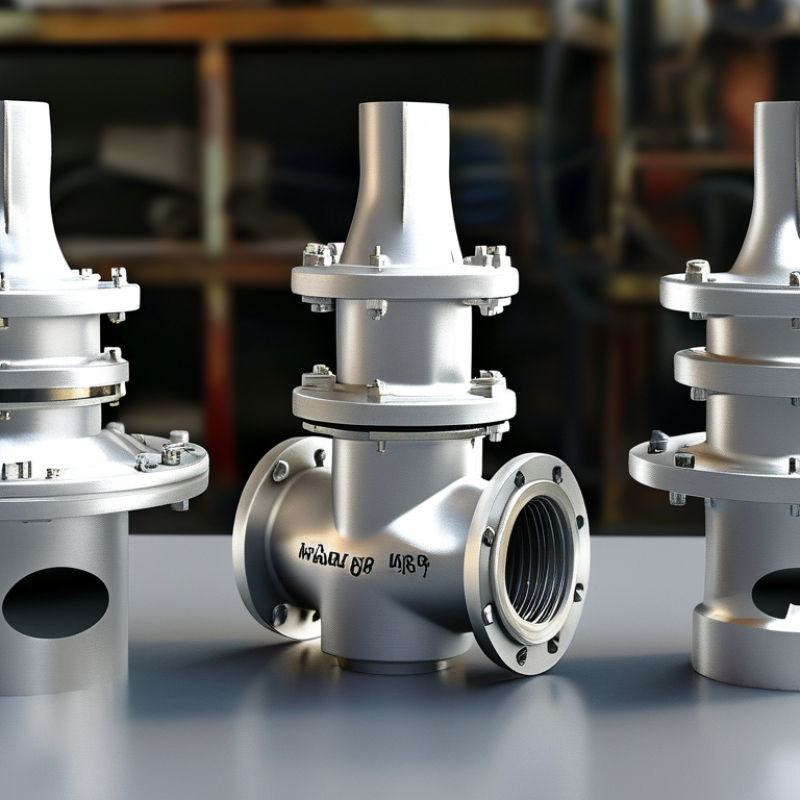
Pipe flanges play a crucial role in connecting various piping systems. They create a tight and secure seal, facilitating efficient fluid transport. Understanding the different types is essential for selecting the right one for your needs. Flanges come in various designs, like weld neck, slip-on, and blind, each serving unique functions. They are commonly used in industries such as construction, oil and gas, and water treatment.
Weld neck flanges are known for their strength. They are welded to the pipe, providing a robust connection. Slip-on flanges are easier to install. They slide over the pipe and are welded. However, they may not offer the same level of pressure resistance. Blind flanges, on the other hand, seal off the end of a pipe. They prevent leaks but make future access more challenging. Different materials like steel, plastic, and stainless steel are available, impacting durability and cost.
Selecting the correct flange involves assessing the operating conditions. Factors like pressure, temperature, and fluid type must be considered. Mistakes can lead to failures. Regular inspection and maintenance of flanges help to ensure system integrity. Understanding these nuances enhances reliability in your piping system. Knowledge of flanges enables informed decisions, ultimately optimizing your operations.
Pipe Flange Types and Their Popularity
This chart displays the popularity of various pipe flange types based on industry usage. The most popular type is the Slip-On flange, followed closely by Weld Neck flanges.
Types of Pipe Flanges: Specifications and Differentiations
Pipe flanges are essential components in piping systems. They provide a means to connect pipes and various equipment. Understanding different types is vital for efficient installation and maintenance.
Flanges are categorized into several types based on design and application. Weld neck flanges are commonly used for high-pressure applications. They are ideal for heavy-duty pipes. Slip-on flanges are easier to install but may not handle extreme pressures well. Blind flanges, on the other hand, cover the end of a pipe, maintaining system integrity.
Tips: When selecting a flange, consider pressure ratings and temperature. Check compatibility with existing materials to avoid issues.
Socket weld and threaded flanges offer unique advantages. Socket weld flanges suit small-diameter pipes and provide good strength. Threaded flanges allow easy installation without welding, but they may have lower pressure ratings.
Understanding these differences can prevent issues, such as leaks or failures. Choosing the right flange type is important for safety and efficiency. Always keep specifications in mind to ensure proper fit and function.
Common Materials Used in Pipe Flange Manufacturing
When discussing pipe flanges, understanding the materials used in their manufacturing is crucial. Generally, flanges are made from materials like carbon steel, stainless steel, and plastic. Carbon steel offers strength and durability, making it a popular choice for various applications. Stainless steel provides excellent resistance to corrosion, perfect for environments with moisture or chemicals. Plastic flanges are lightweight and resistant to corrosion, suitable for specific industrial uses.
Tips: When selecting flange materials, consider environmental factors. Corrosive environments require corrosion-resistant materials. Study the application before making a choice.
Another material often utilized is important as well: ductile iron. This material offers high tensile strength and is widely used in water and wastewater applications. However, it's crucial to note that not all materials are suitable for every type of fluid or condition. Consider testing compatibility to avoid failures in the system.
Tips: Always double-check conformity to industry standards. Inappropriate material choices can lead to costly repairs. Maintain flexibility in your decisions and adapt as needed.
What is a Pipe Flange Types and Uses Explained? - Common Materials Used in Pipe Flange Manufacturing
| Flange Type |
Description |
Common Materials |
Applications |
| Weld Neck Flange |
Flange with a long tapered neck for a stronger connection. |
Carbon Steel, Stainless Steel |
High-pressure applications, pipelines. |
| Slip-On Flange |
Flange that slips over the pipe end, welded on both sides. |
Carbon Steel, Alloy Steel |
Low-pressure systems, HVAC systems. |
| Blind Flange |
Flange without a hole, used to seal the end of a pipeline. |
Carbon Steel, Stainless Steel |
Piping systems, pressure vessels. |
| Socket Weld Flange |
Flange that fits into the pipe for a secure connection. |
Carbon Steel, Stainless Steel |
High-pressure applications, oil & gas industries. |
| Threaded Flange |
Flange with internal threads for connection to a pipe with external threads. |
Carbon Steel, PVC |
Water supply, chemical processing. |
Applications of Pipe Flanges in Various Industries
Pipe flanges play a vital role across various industries. They provide a reliable method of connecting pipes, valves, and other equipment. In the oil and gas sector, flanges are essential. High-pressure systems depend on them to maintain integrity under extreme conditions. These flanges often withstand harsh environments and require high strength.
In the water treatment industry, flanges facilitate easy assembly and disassembly of pipes. This is crucial during maintenance and repairs. Flanges must be durable and corrosion-resistant. The varying types ensure compatibility with different systems. Chemical manufacturing also relies on flanges. They help prevent leaks and maintain system efficiency.
However, the choice of flange type can be challenging. Each application calls for specific materials and designs. This can lead to errors if not properly assessed. Organizations must understand their requirements to avoid costly mistakes. Regular inspections and maintenance of flanges are essential to ensure safety and functionality. Failure to do so can result in significant operational issues.
Installation and Maintenance Best Practices for Pipe Flanges
Proper installation and maintenance of pipe flanges are crucial for ensuring system integrity. Begin by inspecting each flange for any visible damage. Use a clean cloth to remove dirt before installation. Flanges should be aligned carefully. Misalignment can lead to leaks and system failures. Use appropriate gaskets to create a tight seal, as they play a significant role in preventing leaks.
During maintenance, regular torque checks are essential. Inspect bolts to confirm that they are tightened to the recommended specifications. Over-tightening can cause deformation. Conversely, under-tightening may lead to leakage. It’s also advisable to inspect gaskets periodically. Aging gaskets can crack and lose their sealing ability. Flange connections must be evaluated for any signs of wear and tear.
It's easy to overlook simple maintenance tasks. Neglecting these can lead to significant downtime and costly repairs. Operators should keep a maintenance log to track the condition of flanges and gaskets. Doing so promotes accountability and helps identify patterns of wear. Always remember, a well-maintained flange connection can significantly extend the life of your piping system.
Conclusion
A pipe flange is a vital component in piping systems, providing a method for connecting two sections of pipe and enabling easy maintenance and inspection. Understanding pipe flanges involves recognizing their various types, each with unique specifications that cater to different industrial needs. Common materials used in manufacturing these flanges include steel, stainless steel, and plastic, which are chosen based on factors such as pressure, temperature, and chemical compatibility.
The applications of pipe flanges span across multiple industries, including oil and gas, water treatment, and chemical processing, highlighting their importance in ensuring system integrity. To ensure optimal performance, adhering to best practices in installation and maintenance is crucial. In summary, knowing what is a pipe flange and its classifications can significantly influence the efficiency and reliability of piping systems in various applications.

 EZ STEEL