Installing a PVC toilet flange on a cast iron pipe is a common question among DIY enthusiasts: can you put PVC toilet flange on cast iron pipe? Many homeowners encounter this situation during bathroom renovations. The task may seem daunting but can be tackled with some basic tools and a little know-how.
When working with cast iron pipes, precision is vital. A proper seal is necessary to prevent leaks and ensure stability. You’ll find that the PVC flange needs to fit snugly against the cast iron surface. It is essential to clean the edge of the pipe thoroughly. Any debris can hinder the installation.
Using a PVC flange offers advantages like resistance to corrosion. However, it raises questions about durability when combined with cast iron. You must carefully consider the long-term effects. In some cases, adjustments may be needed to achieve the best fit. Although it seems straightforward, mistakes can lead to significant issues. It's worth taking the time to plan your approach for a successful installation.
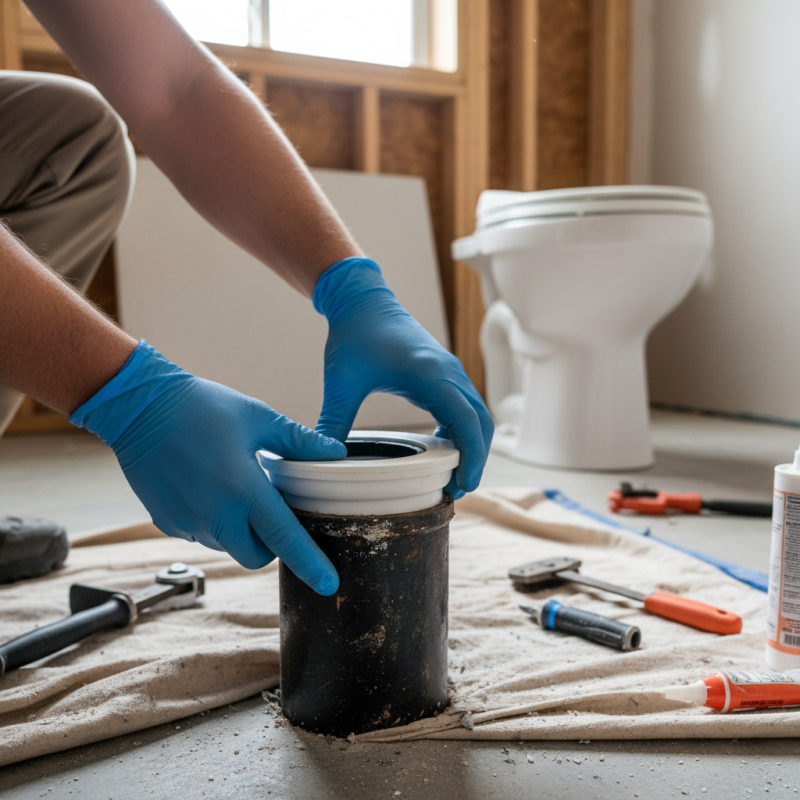
When installing a PVC toilet flange on a cast iron pipe, understanding its benefits is crucial. PVC flanges are known for their lightweight and corrosion-resistant properties. Unlike metal, they won’t rust over time, which can prolong the life of your plumbing. Their ease of installation makes them ideal for DIY projects, saving both time and money.
Consider the flexibility of PVC. It can expand and contract without breaking, offering a durable solution for various environments. Additionally, PVC flanges provide a reliable seal, reducing leaks and water damage risks. This reliability is especially valuable in bathrooms, where moisture can lead to costly repairs. However, keep in mind that improper installation can lead to issues. Always ensure your flange is properly aligned.
Tips: Before starting, check for sharp edges on the cast iron pipe. Smooth these out to ensure a perfect fit. Use a level to confirm your flange is installed flat. This helps prevent future problems. Finally, don’t skip using the right adhesive. A good seal ensures longevity. Reflect on how you can improve your skills with each installation to avoid common pitfalls in the future.
This chart illustrates the average installation times for PVC toilet flanges and cast iron toilet flanges. PVC flanges are generally faster to install compared to their cast iron counterparts, making them a popular choice for many DIY homeowners.
When installing a PVC toilet flange on a cast iron pipe, having the right tools is essential. A reliable plumbing wrench is crucial for loosening any stubborn fittings. You'll also need a hacksaw to cut the cast iron if necessary. A chisel can help break away old, corroded flange remnants.
Don't forget about safety. A pair of protective goggles and sturdy gloves will keep you safe from debris. An adjustable wrench can help you tighten fittings securely. A level is vital for ensuring that your new flange sits straight. Also, consider using a torque wrench for accurate fastening.
Sometimes, the installation process doesn’t go as planned. You might encounter rusted bolts or uneven surfaces. It can be frustrating, but addressing these issues is part of the learning curve. Identifying improper alignment early can save you future headaches. Always take time to assess the situation before progressing.
Removing an old toilet flange can seem daunting, but it’s crucial for proper installation.
Begin by turning off the water supply. Then, flush the toilet to empty the tank and tank bowl. Detach the toilet from the floor by loosening the bolts. Gently rock the toilet back and forth to break the wax seal. Once loose, carefully lift the toilet and set it aside on a soft surface.
Next, examine the old flange. It may be rusted or cracked, which can lead to leaks. Use a pry bar or screwdriver to remove the screws holding the flange to the floor. If the flange is stubborn, try tapping it gently to break the seal. Clean the area thoroughly to ensure a smooth installation for the new PVC flange.
Pay attention to any lingering wax residue, as it can interfere with the new seal.
This step might be messy and require some patience, but it is essential for a secure and lasting fit.
When installing a PVC toilet flange on a cast iron pipe, using proper techniques is crucial for a leak-free installation. According to industry reports, improper flange installation can lead to significant leakage. Research shows that approximately 30% of plumbing issues in homes can be traced back to faulty connections. Thus, understanding the installation process is vital.
Begin by preparing the cast iron pipe. Clean it thoroughly to remove any debris or old adhesive. Use a PVC primer before applying the adhesive to ensure a strong bond. This primer enhances adhesion, which is crucial since PVC and cast iron have different properties. Ensure that the flange is level. Misalignment can lead to leaks. Ensuring that the flange is properly secured with screws is also important. The industry recommends checking the tightness of the screws after installation.
The use of a wax seal between the toilet and the flange can further prevent leaks. Many homeowners overlook this step, resulting in moisture damage. By following these techniques, you're more likely to achieve a successful installation. However, remember that every installation may present its challenges. Reflecting on your methods can lead to better outcomes in the future.
Installing a PVC toilet flange on a cast iron pipe requires careful attention to detail. Securing and sealing the flange effectively ensures a tight fit that prevents leaks. One essential tip is to use a high-quality sealant to create a reliable barrier. This will minimize the chance of water seeping through the connection, which can lead to further damage.
When attaching the flange, ensure it is level and flush with the floor. An uneven surface can cause instability. Using shims can help achieve a proper fit. Also, it's important to avoid overtightening the screws. This can crack the flange and compromise the seal. Always check for any gaps after installation.
For added security, consider using a mechanical fastening method. This approach can enhance stability and withstand daily use. Regularly inspect the flange for any signs of wear or damage. Small issues can escalate quickly if not addressed. Rely on your competence and experience during the installation to achieve a secure and sealed result.
| Step | Description | Tools Required | Estimated Time |
|---|---|---|---|
| 1 | Gather tools and materials needed for installation. | PVC flange, screws, drill, wax ring, plumber's putty. | 10 minutes |
| 2 | Clean the cast iron pipe and ensure it is level. | Wire brush, cleaning solution. | 15 minutes |
| 3 | Apply plumber's putty around the flange base to create a seal. | Plumber's putty. | 5 minutes |
| 4 | Align the PVC toilet flange with the cast iron pipe and secure it with screws. | Screwdriver, screws. | 10 minutes |
| 5 | Install the wax ring on the flange and place the toilet bowl on top. | Wax ring, toilet bowl. | 15 minutes |
| 6 | Secure the toilet bolts to finalize installation and check for leaks. | Adjustable wrench. | 10 minutes |
: Start by turning off the water supply and flushing the toilet. This empties the tank and bowl.
Loosen the bolts and gently rock the toilet back and forth to break the wax seal.
Inspect it closely. A damaged flange can cause leaks and requires immediate attention.
Use a pry bar or screwdriver. You can tap them gently to break the seal if they resist.
Clean the pipe well. Using a PVC primer is essential to ensure a strong adhesive bond.
Misalignment can lead to leaks. A level flange creates a more secure seal.
Use a wax seal between the toilet and the flange. Many forget this step, risking leaks.
Yes, ensure the screws are tight. Over time, they can loosen, leading to potential issues.
Each installation is unique. Reflecting on past experiences can help you improve future efforts.
Yes, removing wax residue can be messy. Be patient and prepare for a bit of cleanup.
Installing a PVC toilet flange on a cast iron pipe can be a straightforward process if approached correctly. First, it's essential to understand the benefits of using a PVC flange, which include corrosion resistance and ease of installation. The right tools, such as a wrench and a saw, are necessary for effectively removing the old toilet flange and preparing the cast iron pipe for the new installation.
Once the old flange is removed, follow a set of proper installation techniques to ensure that the PVC flange is securely attached. Sealants may be required to prevent leaks, and it's crucial to secure the flange tightly to the pipe. By adhering to these steps and tips, you can successfully replace your old toilet flange and answer the common homeowner query: can you put PVC toilet flange on cast iron pipe? The answer is yes, and with the correct methods, it can provide a reliable and durable solution.

EZ STEEL