Installing a gas pipe floor flange might seem daunting, but it's an essential task for proper gas line installation. Knowing how to install a gas pipe floor flange accurately can prevent leaks and ensure safety. This guide will provide clear instructions for both beginners and experienced DIYers.
When you understand the tools and materials needed, the installation process becomes more manageable. You will need a suitable flange, screws, and a wrench. Positioning the flange correctly is crucial. Every detail matters, as even a small mistake can lead to significant issues later.
Consider the potential challenges you might face. Some may struggle with alignment or securing the flange tightly. Reflecting on these common pitfalls can improve your skills. With careful planning and knowledge, you can achieve a safe and effective installation. Let’s dive deeper into the steps needed to tackle this project confidently.
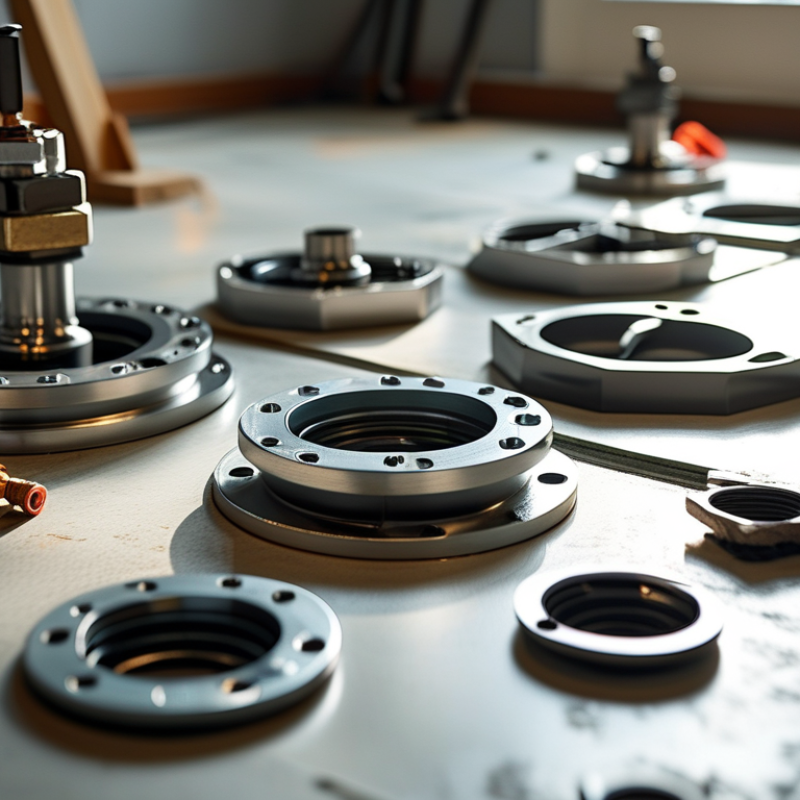
When installing a gas pipe floor flange, having the right tools and materials is crucial. You will need a pipe wrench, a drill, and a level. Safety goggles are essential to protect your eyes. Work gloves will help keep your hands safe from sharp edges.
Materials include a gas pipe flange, screws, and gasket seals. Using quality materials is important for a reliable installation. Make sure your flange matches the size of your gas pipe. Wrong dimensions can lead to leaks or instability.
Remember, installation can be tricky. Not all floors are even, impacting how well your flange sits. Ensure the surface is clean and smooth before starting. If you're unsure about your approach, it might be wise to consult an expert. They can offer insights that could save you time and trouble. Mistakes happen, and learning from them is part of the process.
Preparing your installation area for a gas pipe floor flange is crucial. Start by assessing the space. Ensure it is free from clutter and any potential hazards. Clear the area where the flange will be installed. This allows you to have unobstructed access during the process. Dust and debris can interfere with the installation.
Next, gather your tools and materials. A wrench, a level, and appropriate flanges and pipes are essential. Lay them out neatly near your working area. Having everything within reach saves time and reduces frustration. Remember, a well-prepared site enhances safety and efficiency.
Tips: Take a moment to double-check local codes regarding gas installations. Ensure that your tools are in good condition. Dull tools can lead to accidents and poor fittings. Always prioritize safety by wearing gloves and goggles during installation. It’s easy to overlook protective gear, but it’s necessary for safety.
When installing a gas pipe floor flange, secure attachment is crucial for safety. Begin by selecting the right location for the flange. Ensure the surface is clean and level. You need a solid base for a reliable installation. Any debris or unevenness can compromise the integrity of the flange.
Using appropriate tools is vital. A drill with the correct bits will allow for precise holes. For better stability, consider using a level to position the flange correctly. Pre-drill holes slightly larger than your screws. This will prevent cracking. The screws must be tight, but *overtightening can damage the flange*. It's a fine balance that often requires a careful touch.
After securing the flange, check for any gaps. A snug fit is necessary, as even a small opening can lead to issues. Inspect the area around the flange regularly. Maintenance is as important as installation. Any sign of wear should prompt immediate attention. Think of this installation as a long-term commitment to safety.
When working with gas lines, safety is paramount. According to the National Fire Protection Association, gas line issues caused over 5,000 fire incidents in the U.S. annually. Knowing safety precautions can prevent these unfortunate events.
Always ensure proper ventilation in your workspace. Gas leaks can happen, and stagnant air can lead to catastrophic results. Many reports show that 30% of gas explosions occur due to unnoticed leaks. Using a gas detector is wise. These detectors can identify leaks early, providing critical time for you to respond.
Wear appropriate Personal Protective Equipment (PPE). Safety goggles and gloves can protect against minor injuries during installation. Additionally, familiarize yourself with the shut-off valve locations. In an emergency, every second counts. Often overlooked, reviewing safety protocols ensures you are prepared, even for unexpected situations. It’s not just about installation; it's about being ready for the unforeseen.
When installing a gas pipe floor flange, conducting a final inspection is crucial. This step ensures safe operation and compliance with local codes. According to the National Fire Protection Association, improper installation can lead to leaks, resulting in dangerous gas accumulations. Regularly checking flanges for visible damage or corrosion is therefore essential.
Testing the installed flange must follow specific guidelines. A common method is the pressure test, which verifies that the system can handle intended service levels. Industry standards state that a 1.5x test pressure should be applied for at least 30 minutes. This step helps identify weak points in the installation and ensures reliability.
Installers should also observe the surrounding area. Sudden changes in pressure or noises could indicate potential issues. It is important to reflect on installs done in various conditions. Inadequate lighting or temperature swings may affect the outcome. Prior inspections are key to understanding how to enhance future installations.
: You will need a pipe wrench, a drill, and a level. Safety goggles and work gloves are also essential.
Quality materials ensure a reliable installation. Incorrect sizes can lead to leaks or instability.
Clear the area of clutter and hazards. Make sure the surface is clean and smooth.
It can be tricky. Uneven surfaces may affect how well the flange sits.
Consulting an expert can provide insights. This may save you time and prevent mistakes.
Verify local codes for gas installations. Ensure your tools are in good condition and sharp.
Always wear safety goggles and gloves. It’s easy to forget protective gear, but it’s necessary.
Dust can interfere with the installation process. A clean area helps ensure better results.
Lay out all tools and materials near your workspace. Everything within reach can reduce frustration.
Many overlook protective gear. It’s essential for your safety during the process.
Installing a gas pipe floor flange requires careful preparation and attention to detail. To successfully learn how to install a gas pipe floor flange, one must first gather all necessary tools and materials, ensuring everything is ready for the installation process. A step-by-step guide emphasizes the importance of properly preparing the installation area, including cleaning surfaces and ensuring a level foundation for the flange.
Techniques for securely attaching the flange to the floor are crucial, as stability is key for safe gas line operation. Additionally, safety precautions should always be a priority when working with gas lines, including wearing appropriate protective gear and ensuring proper ventilation. Finally, conducting a thorough inspection and testing after installation is essential to confirm that the gas pipe floor flange functions correctly and safely, preventing any potential hazards.

EZ STEEL